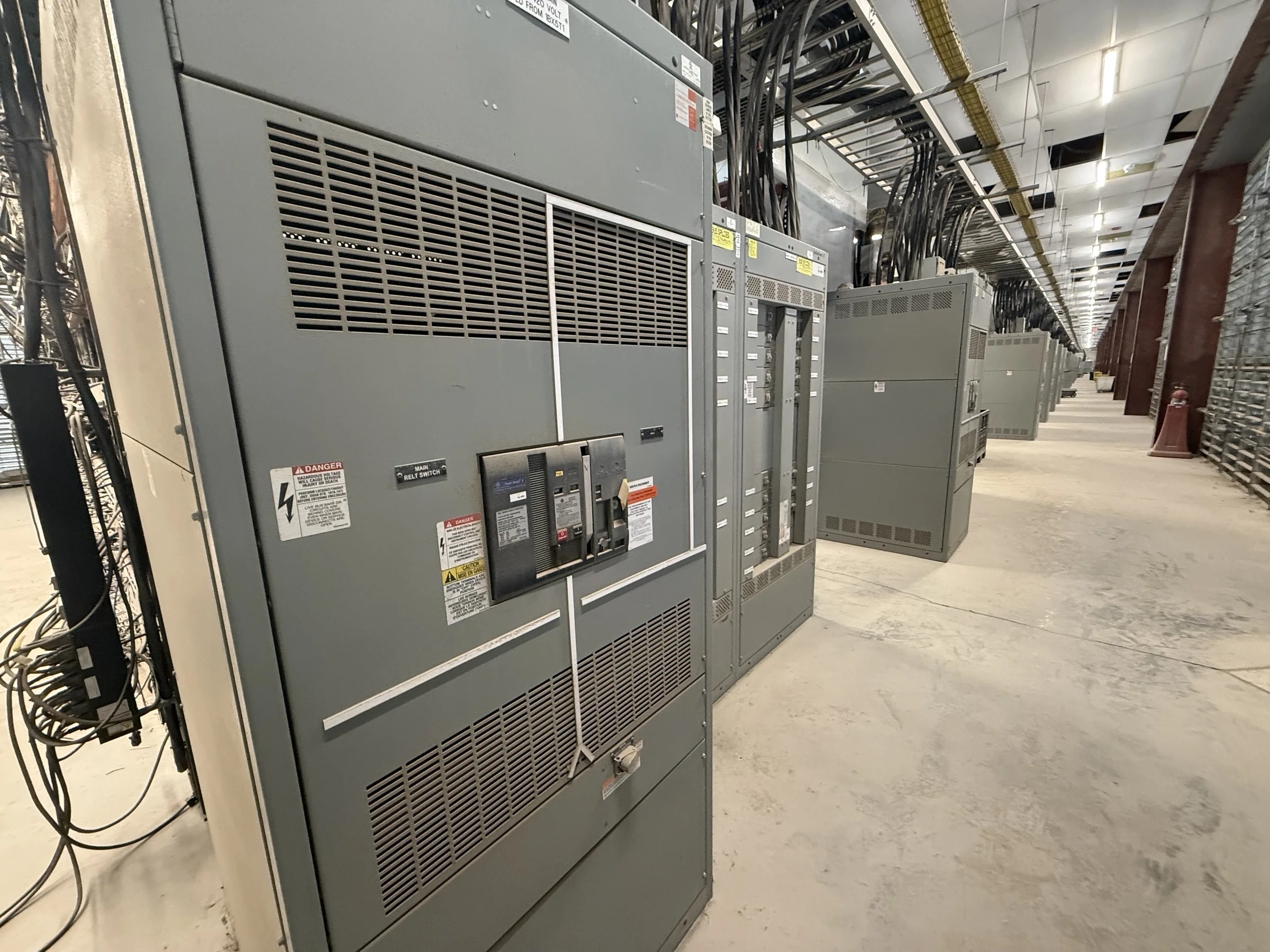
Define the Distribution Scope Before Requesting a Quote
For a Pasadena facility, begin by identifying what the new low-voltage switchgear must serve: a production line, process utility, commercial building, or a broader site distribution system. Gather the one-line diagram, existing equipment nameplates, source information, load schedule, and planned additions before asking a U.S. manufacturer to develop a configuration. These records help distinguish replacement work from an expansion and reveal whether the project depends on existing upstream or downstream equipment. Confirm the system voltage, frequency, phases, available fault-current information, and grounding arrangement from reliable project documents; do not assume these details from an old panel label. A clear scope reduces avoidable redesign, gives procurement a meaningful basis for comparing proposals, and helps the engineering team identify missing information before equipment details are finalized.
Coordinate Ratings and Protection With the Electrical Study
The equipment lineup must fit the electrical system, not simply match the footprint of the switchgear being removed. Engineers should confirm the required continuous current, short-circuit withstand or interrupting considerations, bus arrangement, and protective-device coordination using project-specific system data and applicable standards. Available fault current can change when a utility source, transformer, generator, or tie arrangement changes, so an earlier study may no longer represent the planned installation. Ask the design team to identify which study documents govern and whether revisions are needed before equipment release. For Pasadena industrial and commercial sites, planned process expansions or backup-power connections may affect the distribution design even if they are not part of the immediate purchase. Final ratings, device selections, and compatibility require engineering review; they should not be inferred from a general product description.


Specify the Lineup Around Access and Future Work
A workable switchgear arrangement has to fit the electrical room and the people who will install, inspect, and maintain it. Provide room dimensions, ceiling height, door and corridor clearances, equipment access routes, floor conditions, and the location of cable trenches or overhead conduits. Show adjacent equipment and building features that could constrain door swing, section placement, or cable bending space. In an existing Pasadena facility, a replacement lineup may need to pass through an established route while production or other site operations continue; confirm those constraints early instead of treating delivery as a simple curbside drop. Discuss front or rear access, cable-entry direction, metering needs, and reasonable future capacity with the project engineer. These choices affect the physical configuration, installation sequence, maintenance access, and the cost of later modifications.
Make Project Documents Part of the Purchase
A complete equipment request should identify the documents needed for review, coordination, construction, and turnover. Depending on project scope, these may include the approved one-line diagram, equipment schedules, load information, floor plan, conduit and cable-entry requirements, control schematics, and any specified submittal or closeout requirements. Ask the manufacturer to state what drawings and technical information are included in its proposal and what must be supplied by the engineer or contractor. Review submitted dimensions, ratings, device arrangements, and connection details against the contract documents before authorizing fabrication; a mismatch can affect both procurement and field installation. Keep revisions controlled, especially when utility data or the project layout changes. UL 891 applies to appropriately evaluated low-voltage switchboard assemblies, not automatically to every product described as switchgear, so confirm the required construction and evaluation for the particular assembly.
Plan Timing Around Approvals, Site Readiness, and Delivery
Short lead times can help a project schedule, but the actual delivery window depends on the approved design, component availability, order requirements, and current production conditions. Ask for a project-specific schedule and identify the events that start it, such as receipt of complete information, drawing approval, or release to build. Procurement teams should also determine who reviews submittals, how quickly comments are expected, and how changes after approval will be handled. For delivery to Pasadena, Texas, coordinate the receiving location, truck access, unloading method, delivery-hour restrictions, staging area, and responsibility for moving sections into the electrical room. Industrial sites may require advance coordination with security, operations, or contractor schedules; do not assume a carrier can wait while access is arranged. Confirm packing, shipment configuration, and receiving responsibilities before dispatch.
Prepare Installation and Commissioning Requirements Early
Before equipment arrives, the electrical contractor and facility team should confirm that the room, foundation or housekeeping pad, grounding provisions, cable pathways, and required working clearances are ready for the approved arrangement. Compare field conditions with the latest equipment drawings, then resolve discrepancies before installation rather than improvising around a dimensional conflict. Establish who will perform installation, inspection, protective-device settings, testing, and commissioning, and identify the records required for acceptance and future maintenance. All electrical work must be performed by qualified personnel under applicable safety procedures; equipment must be de-energized and verified safe before work that requires it. Once energized, operating and maintenance practices should follow the manufacturer’s instructions and site safety program. A well-defined handoff helps the Pasadena project team connect the new distribution equipment to the facility responsibly and preserve useful documentation for later troubleshooting.