Define the Pearland Project’s Distribution Requirements
For a Pearland facility, start the specification with the electrical conditions the new low-voltage switchgear must serve—not a catalog description. Document the available service voltage, system configuration, frequency, available fault current, grounding method, and the distribution equipment it will connect to. Then identify the loads and operating needs: motor starting, process equipment, HVAC, emergency or standby sources, and any planned expansion. These details shape bus ratings, protective-device selection, service entrance arrangements, and compartment layout; a mismatch can delay engineering review or leave important loads inadequately addressed. Share existing one-line diagrams and utility information where available, while marking assumptions and unresolved items clearly. Final ratings, configuration, code requirements, and equipment compatibility must be confirmed for the specific project.
Coordinate Switchgear Layout With the Building
A technically suitable lineup still needs to fit the actual electrical room and the route into it. In Pearland, confirm room dimensions, door and corridor clearances, floor conditions, overhead obstructions, access for installation, and the location of existing feeders before settling the arrangement. Room temperature, ventilation, moisture exposure, dust, and potential water intrusion also affect enclosure and installation decisions; Gulf Coast humidity and heavy rain make it especially important to review the site’s environmental conditions rather than assume an indoor location is adequately protected. Compare the proposed lineup dimensions with the latest architectural and electrical plans, including working clearances and cable entry space. Resolving a doorway or feeder-routing conflict before fabrication is far less disruptive than changing the room or equipment after delivery.


Review Ratings, Protection, and Interfaces
Protection requirements deserve a coordinated review among the facility engineer, electrical contractor, and equipment manufacturer. Provide the available fault-current study, upstream protective-device information, grounding details, and downstream equipment ratings when requesting a design review. These inputs help determine whether the proposed switchgear arrangement and protective devices are appropriate for the system; they do not, by themselves, establish a guaranteed coordination result or compatibility. Confirm how the lineup will interface with transformers, generators, transfer equipment, metering, and building controls, including any required signals or communication provisions. If loads are expected to change, identify that before the design is finalized. Specific ratings, protection settings, applicable standards, and evaluation requirements depend on the completed project design and must be verified for the actual installation.
Build a Complete Procurement Package
A clear request for quotation makes competing equipment proposals easier to evaluate. Include the one-line diagram, load schedule, preliminary equipment layout, service and fault-current information, required accessories, and any project specifications or approved equipment schedules. State which details are fixed and which remain open to engineering review. For low-voltage switchboard assemblies, identify whether UL 891 evaluation or labeling is required and confirm the requirement for the exact proposed assembly; it should not be assumed to apply to every product or configuration. Ask suppliers to identify exceptions, included documentation, and information needed to complete engineering. This disciplined package helps procurement compare equivalent scope instead of headline pricing alone, and gives the manufacturer a sound basis to discuss configuration, American components, and project-specific availability.
Discuss Schedule and Delivery Before Release
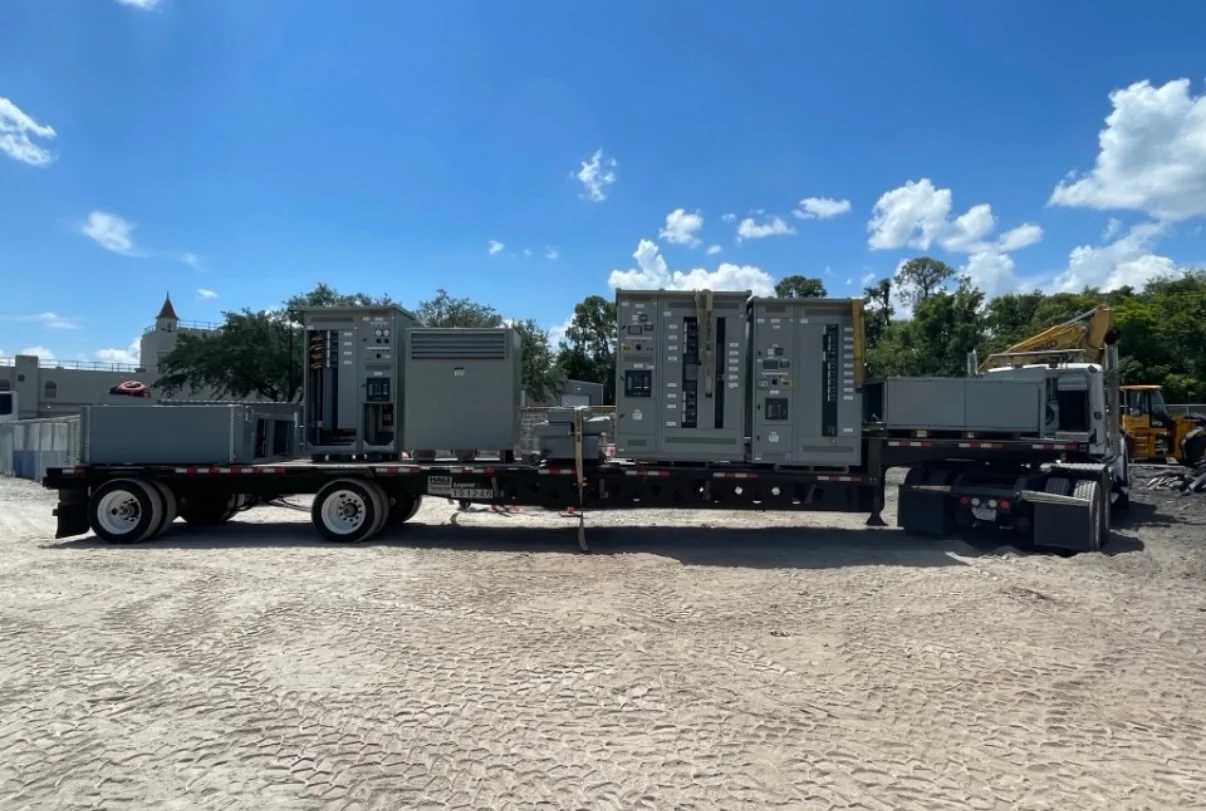
Schedule planning should account for engineering approval, drawing review, component availability, manufacturing, inspection, and shipment—not just the requested arrival date. Ask for a current project-specific schedule and clarify what events could affect it, including late utility data, revised loads, approval delays, or changes to the equipment lineup. Short lead times may be available for some builds, but the actual timing depends on the approved design and component requirements; do not treat an estimate as a delivery guarantee. For a Pearland site, coordinate delivery access, receiving hours, unloading equipment, staging space, and the installation sequence with the contractor and facility team. Houston-area traffic, weather, and restricted site access can affect delivery coordination, so confirm the receiving plan before shipment rather than after the truck is dispatched.
Plan for Installation Records and Future Changes
Before releasing equipment for installation, align the approved drawings, equipment identification, cable schedules, and project submittals with the site’s latest construction documents. Agree on who will review changes and how revised drawings will be distributed; otherwise, field crews may work from outdated information or discover feeder and interface conflicts during installation. Request the documentation required by the project, such as final drawings, equipment data, and operation or maintenance information, and confirm what is included in the supply scope. Installation, testing, commissioning, and any required inspections should be coordinated by qualified personnel under the applicable project requirements, with equipment de-energized for work where required. Record final settings and circuit assignments so the facility can maintain the distribution system and assess future capacity changes against verified, as-built information.