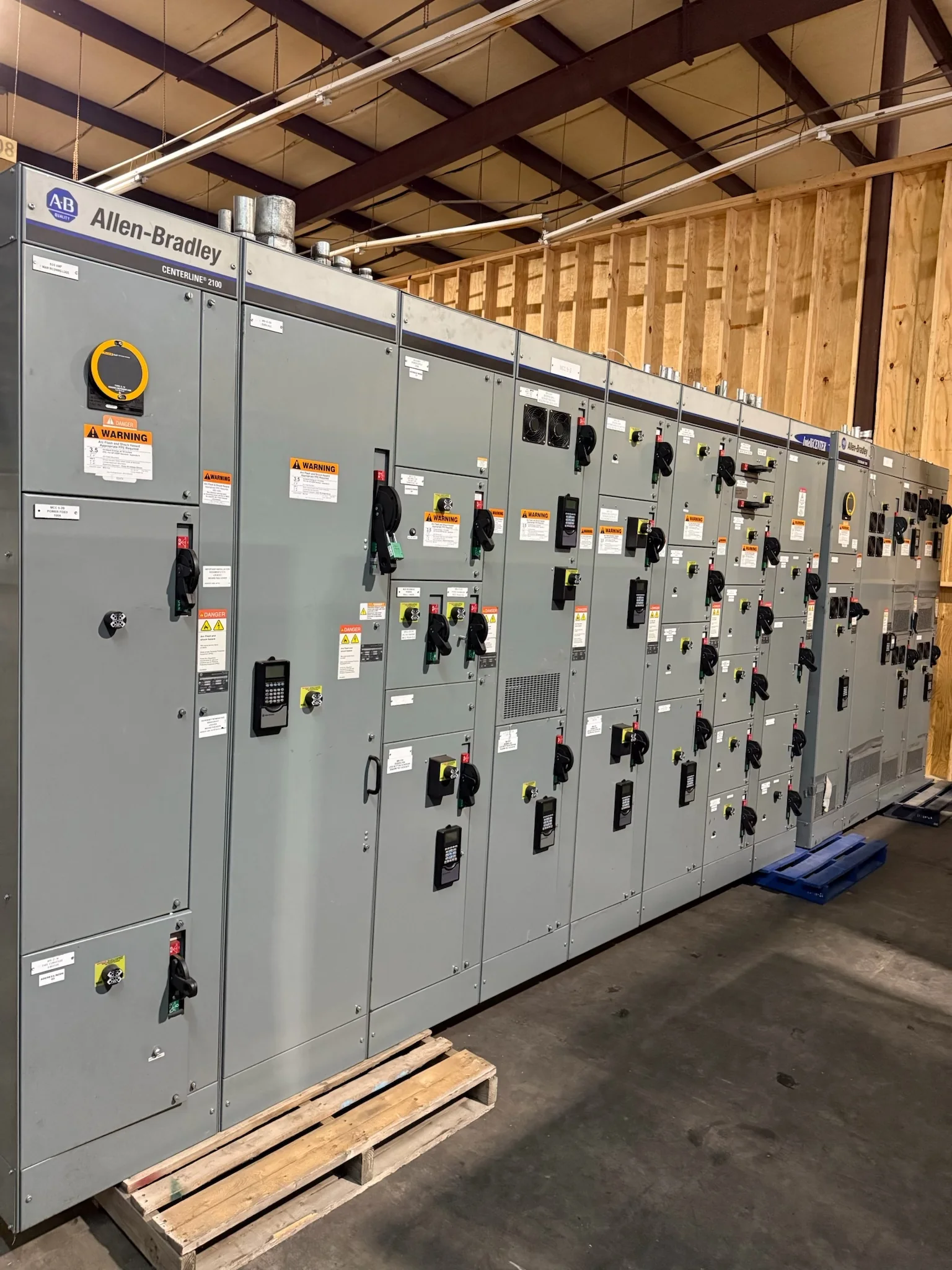
Specify for the Spring Facility’s Actual Distribution Needs
A low-voltage switchgear package should start with the facility’s electrical study and operating requirements, not a catalog frame size. For a Spring project, identify the service voltage, available fault current, source arrangement, connected loads, and expected future additions before requesting a quote. The engineer’s one-line diagram helps establish breaker functions, bus arrangement, metering, and coordination with upstream and downstream equipment. Confirm whether the work serves a new building, replaces an existing lineup, or supports an expansion; each changes the interface and outage planning. Share the required ratings and applicable project standards, but have the manufacturer and project engineer verify compatibility and applicability. Early alignment reduces redesign risk and gives procurement a meaningful basis for comparing proposals.
Resolve Ratings, Protection, and System Interfaces
Fault duty and protective-device coordination deserve careful review because a lineup must work within the complete distribution system, not in isolation. Provide the latest available short-circuit and coordination studies, or identify which engineering work remains open. Confirm the source transformer data, protective-device settings, grounding method, and any tie or alternate-source operating modes. Those details can affect breaker selection, bus requirements, and the physical arrangement. For replacement work, document existing equipment nameplates and connection details; matching nominal voltage alone does not establish interchangeability. Ask the engineer to confirm the intended equipment ratings and system behavior, and have the manufacturer review the proposed configuration against that information. Final equipment, standards, and evaluation requirements remain specific to the project.


Plan the Lineup Around the Building and Access Route
Room dimensions are only one part of fitting switchgear into a Spring-area facility. Before release, verify lineup length and height, working clearances, door swings, cable entry, equipment access, and the path from the truck to the electrical room. Existing buildings may have low overheads, narrow corridors, slab openings, or operating areas that limit staging. Provide current room plans, equipment-room photos, and any known floor-loading or rigging restrictions for review. Confirm whether the delivery route includes gates, dock limits, construction traffic, or a lift that must be scheduled. These checks matter because a lineup that meets electrical requirements can still be difficult to receive or install if transportation and site access are considered too late.
Coordinate Delivery With Construction and Houston-Area Conditions
Spring’s position in the Houston area makes delivery planning a practical project task, especially when heavy rain, intense heat, or active construction can affect site access and receiving schedules. Establish the delivery location, receiving hours, unloading responsibility, staging area, and required notice with the project team. Confirm whether the site can accept the shipment at the planned stage of construction and protect equipment from weather and jobsite damage after arrival. Nationwide shipping is available, but a specific route, schedule, and delivery arrangement must be confirmed for each order. If the facility has restricted truck access or a narrow receiving window, communicate that early. Coordinated receiving helps prevent avoidable storage, handling, and installation disruptions.
Submit Complete Documents Before the Design Is Frozen
A useful quotation package gives the manufacturer enough information to distinguish required features from open design questions. Include the one-line diagram, equipment schedule, specifications, available fault and coordination data, room layout, cable entry preferences, and known interface requirements. For a replacement, add existing nameplate photographs, dimensions, conduit locations, and a clear description of what must remain in service. Identify requested drawings, submittals, and review milestones so engineering and procurement can plan their approvals. If a requirement is pending, label it rather than assuming a standard configuration will fit. A U.S. manufacturer can discuss custom-built equipment and American components, but exact construction, standards, documentation, and availability depend on the approved project scope.
Align Replacement Work, Evaluation, and Outage Planning
For an upgrade in an occupied Spring facility, the equipment decision is only one part of the work plan. Establish which loads require continuity, what temporary arrangements the project engineer permits, and how the facility will schedule a controlled outage. Electrical work must be performed de-energized unless a qualified, justified exception applies under applicable safety requirements; do not treat energized work as a routine shortcut. Confirm demolition boundaries, existing cable conditions, connection interfaces, commissioning responsibilities, and who will approve final drawings. UL 891 may be relevant to appropriately evaluated low-voltage switchboard assemblies, but it is not a blanket certification for every product or every voltage class. Confirm listing and evaluation requirements for the specific assembly before ordering.