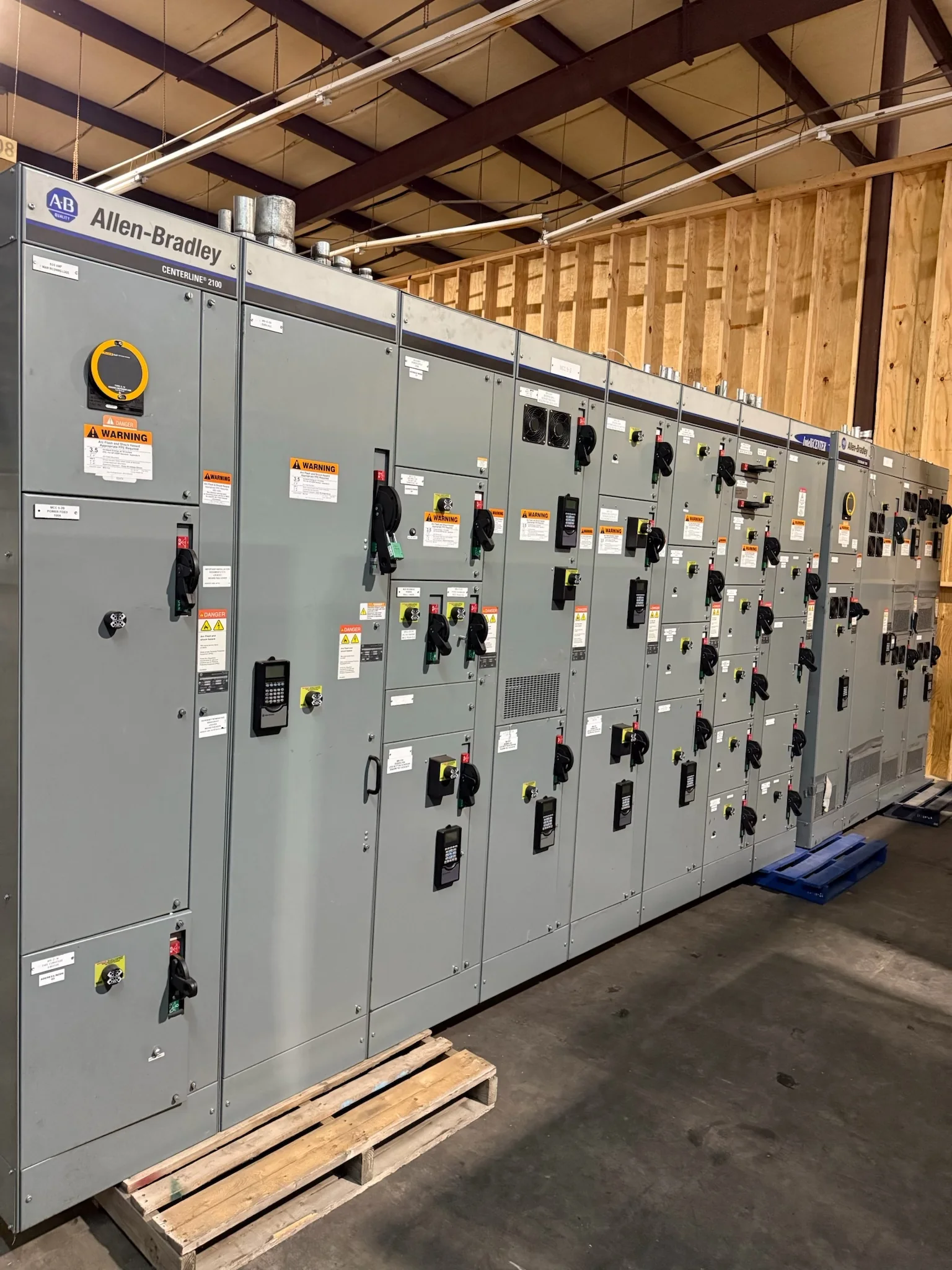
Define the Medium-Voltage Duty Before Requesting a Quote
Start with the electrical conditions the switchgear must serve, rather than a preferred product label. Identify the system voltage, frequency, available fault current, grounding method, continuous load, and the source and downstream equipment. Those values influence bus design, switching devices, insulation approach, protective relaying, and the assembly’s required ratings. Also describe whether the gear will serve a utility interface, plant distribution, a transformer primary, or a process load; these duties can require different arrangements and operating sequences. For a Deer Park facility, include the actual one-line diagram and relevant utility or site criteria, not assumptions based on neighboring plants. A manufacturer can use verified project inputs to identify open questions early. Final equipment ratings and suitability remain subject to engineering review and the specific application.
Choose an Arrangement That Fits Operations and Maintenance
A lineup’s physical arrangement affects access, outage planning, and how operators isolate equipment for service. Tell the manufacturer whether the installation is indoor or outdoor, the number and function of incoming and feeder ways, cable entry direction, and any future sections that may be needed. Clarify whether the project calls for metal-clad or another construction type; terminology alone does not settle compartmentation, accessibility, or equipment compatibility. Existing installations may impose fixed bus elevations, cable terminations, conduit routes, or control interfaces, so provide drawings and field-verified dimensions where available. In an operating Deer Park plant, a compact footprint can be attractive, but inadequate working clearances or difficult cable access can slow maintenance and create costly layout changes. Confirm the applicable codes, owner standards, and required maintenance clearances with the project engineer.


Coordinate Protection, Controls, and Connected Equipment
Protection and control details should be developed with the switchgear arrangement, not added after the main design is settled. Provide relay functions, trip and close circuit requirements, control power, metering needs, communications protocols, and any interlocks or transfer logic that the lineup must support. Identify the breaker or fuse interfaces and the equipment being protected, including transformers, motors, generators, or downstream feeders. Existing relays, supervisory systems, and plant networks may have specific wiring or data requirements; confirm them with the responsible controls and protection teams. In Deer Park’s process-oriented facilities, an incorrect trip interface or misunderstood operating sequence can interrupt a production train or compromise coordination. Request review of the one-line, elementary diagrams, and coordination study assumptions before release. Exact protection settings, device compatibility, and control functions must be confirmed for the project.
Plan the Installation Around Deer Park Site Conditions
Delivery planning begins with the route from the receiving point to the final electrical room, not just the truck arrival. Share the site address and receiving instructions through the project team, access restrictions, unloading equipment, available laydown area, doorway and corridor dimensions, floor capacity, and any crane or lift requirements. Confirm whether the lineup will arrive assembled or in shipping sections, and how those sections can be moved and joined under the approved installation plan. Industrial sites around Deer Park may have controlled gate access, active vehicle routes, process-area restrictions, and narrow windows for unloading; these can affect sequencing even when transportation is straightforward. Coordinate permits, escorts, weather protection, and storage conditions with the site before dispatch. Shipping dates and packaging arrangements are project-specific, so confirm them against the construction schedule rather than relying on a general estimate.
Review Submittals, Interfaces, and Acceptance Requirements
A complete submittal review helps prevent field surprises that are difficult to correct after fabrication. Establish which documents the project requires, such as general arrangement drawings, one-line and elementary diagrams, wiring information, equipment schedules, bills of material, and recommended installation or maintenance documentation. Compare the drawings with the latest architectural and electrical layouts, cable schedules, protection study, and owner standards. Mark responsibility for field connections, terminations, grounding, commissioning, and any required witness or inspection activities. If a low-voltage switchboard is part of the same project, UL 891 may be relevant to an appropriately evaluated assembly; it is not a blanket certification for medium-voltage switchgear. Identify the applicable standards and acceptance criteria in the specification, then verify them for the proposed equipment. Required documentation, evaluation, tests, and approvals depend on the equipment and project.
Discuss Build Timing, Scope, and Nationwide Delivery
When requesting pricing, send the specification, one-line, quantity, requested ship window, destination, and known exceptions together. A clear scope lets the U.S. manufacturer assess custom configurations, American-component preferences, drawing review, and delivery coordination without treating an incomplete estimate as a firm commitment. Ask which information is still needed, what assumptions the quotation uses, and when schedule milestones can be confirmed. Short lead times may be available for some builds, but timing depends on design approval, component availability, configuration, and production capacity; obtain project-specific confirmation before aligning an outage or energization date. Deer Park buyers should also clarify freight responsibilities, receiving hours, unloading arrangements, and whether phased delivery is practical for the construction sequence. Compare proposals on included equipment, documentation, interfaces, and exclusions as well as price. Confirm final ratings, standards, availability, and delivery terms in writing.