Define the System Before Selecting Medium-Voltage Gear
For a League City project, start with the one-line diagram and the operating role of each lineup section—not a generic equipment label. Confirm nominal system voltage, maximum operating voltage, frequency, available fault current, grounding method, bus arrangement, and the source and load connections. Those values influence insulation coordination, interrupting duty, bus design, and the suitability of breakers and accessories. Identify whether the gear serves a utility service, plant distribution, transformer primary, or multiple feeders; each use can call for a different protection and operating scheme. Also establish future capacity, metering, interlocking, and remote-control requirements. A U.S. manufacturer can build to project specifications, but final ratings, applicable standards, and equipment compatibility must be reviewed against the actual system and approved documents.
Match Protection and Switching to the Operating Plan
Protection choices should follow the consequences of a fault and the way the facility must be operated. Provide the engineer’s coordination study, relay functions, instrument-transformer requirements, trip and close control voltages, and any communications or supervisory-control interface in the procurement package. Confirm which sources may operate in parallel, how transfer is intended to occur, and what interlocks must prevent unsafe switching. These details can affect breaker control, cell arrangement, wiring, and factory documentation; leaving them unresolved can trigger redesign or field changes. Specify the required arc-resistant construction only when the project design, installation, and operating procedures support that application, and verify its scope for the exact assembly. Switching, inspection, testing, and maintenance must be performed under the applicable safety program by qualified personnel, with equipment de-energized as required.


Plan the Enclosure for Gulf Coast Site Conditions
League City’s Gulf Coast setting makes the installation environment a design input, not a cosmetic detail. Document whether the gear will be indoors or outdoors, the expected ambient range, humidity and condensation exposure, ventilation, contamination, and any corrosive or washdown conditions. For coastal or industrial sites, ask the design team to define the required enclosure, finish, heaters, filters, and environmental controls rather than assuming a standard cabinet is suitable. Confirm seismic or wind criteria when the project requires them, and coordinate anchorage with the supporting structure. Room access also matters: record door widths, ceiling height, turning space, cable-entry direction, working clearances, and the route from the unloading point. These checks help prevent an assembly that meets electrical requirements but cannot be moved into position or maintained safely.
Make the Quote Package Complete and Comparable
A useful request for quotation gives suppliers enough information to price the same scope. Include the current one-line diagram, equipment schedule, layout, voltage and duty requirements, protection narrative, control schematics, cable and bus interfaces, and referenced project specifications. Identify required accessories, spare parts, paint or environmental expectations, documentation, inspection points, and any owner or engineer review process. State which items are mandatory and which are acceptable alternatives; otherwise, differing assumptions can make apparently similar proposals difficult to compare. Ask the manufacturer to list exceptions, clarify exclusions, and identify information still needed for design release. American components and custom construction may be available, but component selection and assembly details depend on the approved design. UL 891 applies to appropriately evaluated low-voltage switchboard assemblies; it is not a blanket listing for medium-voltage switchgear.
Coordinate Schedule Around Submittals and Site Readiness
Discuss timing early, but evaluate a proposed schedule against the project’s actual decision and approval sequence. Design release may depend on approved drawings, confirmed protection settings, interface data, and resolution of exceptions; changes after approval can affect engineering and production. Ask which submittals are included, who reviews them, and how long the project team expects each review cycle to take. In parallel, track site readiness: foundations, housekeeping pads, cable trenches, grounding, access routes, and room environmental controls should be coordinated with the equipment layout. A stated short lead time is an offering, not a guaranteed delivery date; scope, component availability, approvals, and freight arrangements can affect timing. Request a project-specific schedule and confirm its assumptions in writing before aligning outages, contractor labor, or energization milestones.
Coordinate Freight, Receiving, and Commissioning Records
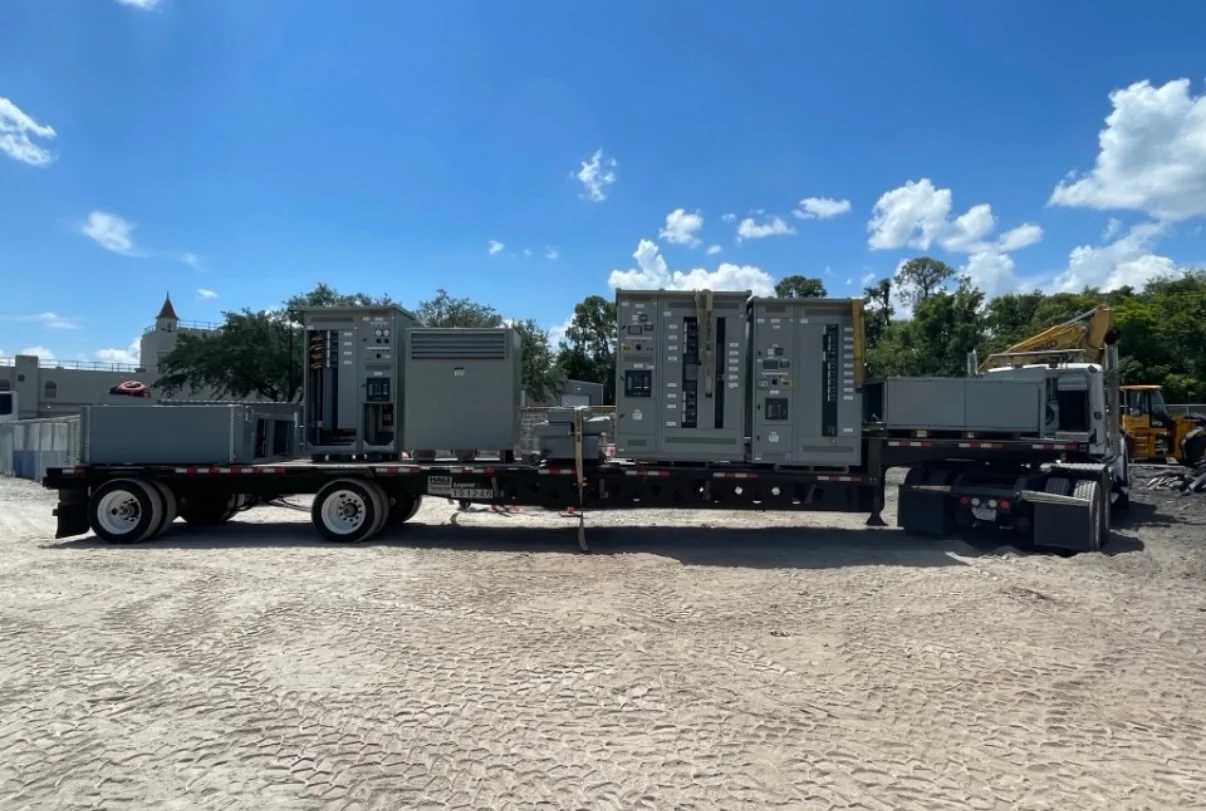
Nationwide shipping can support League City projects, but delivery planning should reflect the actual site and equipment configuration. Confirm shipment dimensions and weight, unloading equipment, dock or crane access, turning radius, laydown space, storage protection, and the route to the electrical room. Assign responsibility for receiving inspection and document any damage promptly, following the shipping and project procedures. Before energization, the installation and commissioning teams need current approved drawings, connection details, relay settings, manufacturer instructions, and records of required inspections and tests. Resolve discrepancies between delivered equipment and the approved submittal before making connections or operating the gear. Keep the final one-line diagram, settings, test results, and as-built changes with facility records; these documents support safe operation, troubleshooting, and future expansion. Exact deliverables and acceptance criteria should be agreed during procurement.