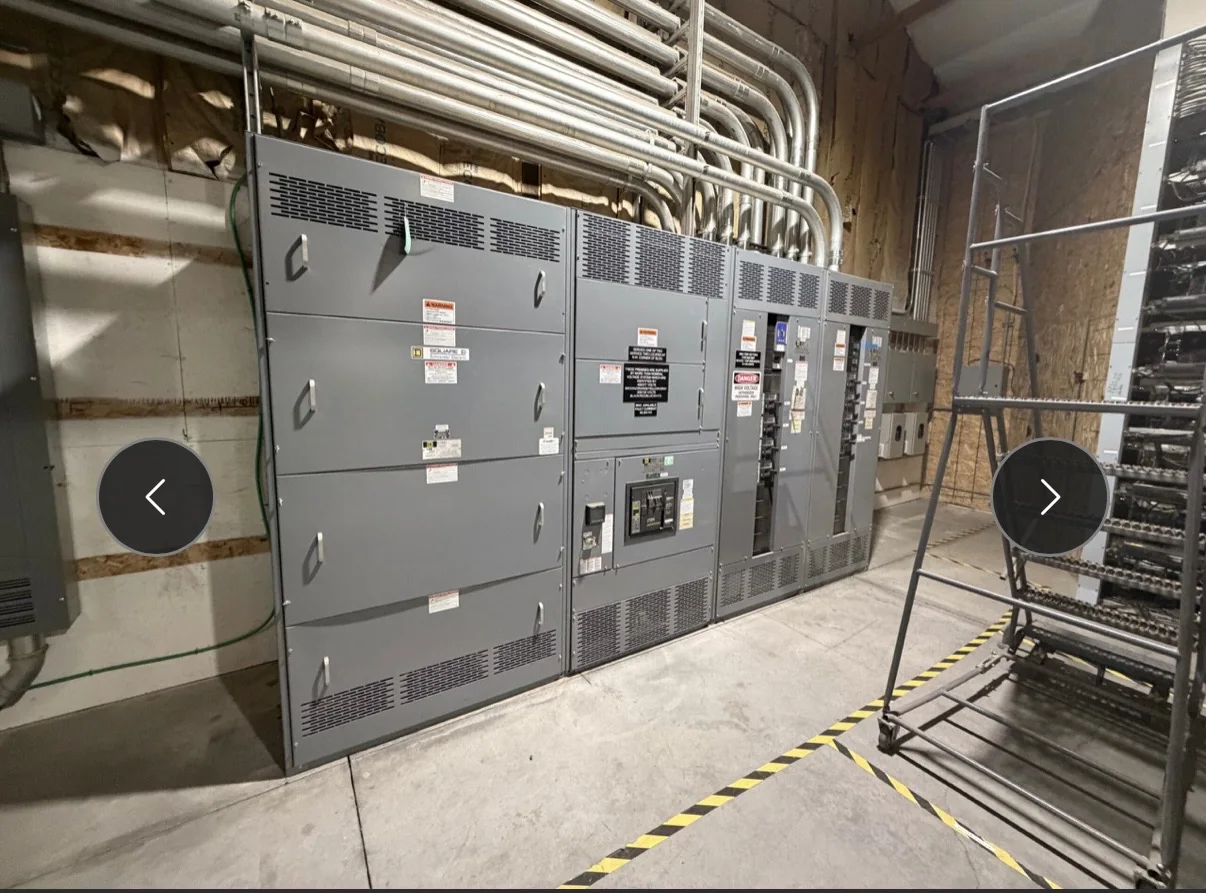
Plan MCC Design Around the Motor Loads
For a Galveston project, begin the motor control center (MCC) specification with a verified load list rather than a preferred lineup size. Record each motor’s horsepower, voltage, full-load current, starting method, duty cycle, and the equipment it serves. Those details affect feeder and branch-circuit selection, overload protection, short-circuit ratings, and whether reduced-voltage or variable-frequency control is required. Note which loads are essential, intermittent, or expected to start together; coincident starts can influence voltage-drop and coordination studies. Identify control interfaces, network requirements, and any future spaces or spare provisions the owner expects. The manufacturer can use this information to develop a project-specific arrangement, but final ratings and suitability depend on engineering review and the applicable codes, standards, and site conditions.
Account for Galveston’s Coastal Exposure
Salt-laden air, humidity, wind-driven rain, and potential storm exposure make the installation environment an important part of an MCC inquiry in Galveston. Describe whether the lineup will be in conditioned interior space, an industrial room with outside-air exposure, or an exterior enclosure, and identify nearby washdown, corrosive processes, or sources of conductive dust. These conditions can affect enclosure construction, corrosion protection, ventilation, and maintenance access; they should not be reduced to a generic “coastal” option. Share the room’s environmental limits and any owner requirements for protective measures so the proposed equipment can be evaluated for that application. Enclosure ratings and materials are project-specific, and suitability should be confirmed against actual exposure, installation details, and the applicable design requirements.


Coordinate the Lineup With the Electrical System
An MCC must fit the electrical system it serves, not merely the available floor space. Provide the one-line diagram, available fault-current information, upstream protective-device data, grounding arrangement, and intended source configuration when requesting a proposal. Identify whether the lineup will connect to utility power, a transformer, a generator, or multiple sources, and explain any transfer or interlocking requirements. This information supports evaluation of bus ratings, protective-device coordination, short-circuit withstand, and connection details; assumptions can lead to costly redesign or equipment that does not match the approved study. Confirm incoming-cable direction, conduit entry, termination space, and required clearances with the project engineer. Final ratings, compatibility, and compliance remain subject to the project documents and engineering review.
Resolve Room Layout and Installation Constraints Early
In Galveston facilities, tight electrical rooms, existing process equipment, and planned outage windows can shape the MCC arrangement as much as the motor list. Send dimensioned room plans showing door openings, wall obstructions, overhead services, housekeeping pads, cable trenches, and the working space required by the project design. Confirm how sections will be moved from the receiving point to the installation area, including turning clearances, floor loading, elevator limits, and any restrictions on delivery vehicles or staging. These checks help determine whether the lineup can be handled as planned and whether section breaks or alternate entry arrangements need consideration. Verify dimensions and access routes with the site team before approval; actual shipping configuration and installation requirements must be confirmed for the specific build.
Specify Controls, Communications, and Documentation
A useful MCC submittal starts with clear control intent. For each motor, identify local and remote operating modes, permissives, trips, alarms, control voltage expectations, and the interface to the plant control system. List required communication protocols and available network architecture, but have the controls engineer confirm compatibility with existing devices and cybersecurity policies. Provide schematic conventions, equipment tags, terminal expectations, and any owner-specific drawing or labeling standards before design begins. Request the documents needed for review, which may include arrangement drawings, elementary diagrams, device schedules, and connection information, as applicable to the project. Early agreement on these details reduces field wiring changes and commissioning delays. Deliverables and device selections should be confirmed in the proposal and approved submittals, not assumed from a general product description.
Discuss Build Timing and Delivery Before Release
For a new MCC serving a Galveston project, timing depends on the approved scope, component selection, engineering review, and current material availability. Share the required in-service date, procurement milestones, outage plan, and any phased installation needs when discussing the order; do not treat an estimated build schedule as a guaranteed delivery date. A U.S. manufacturer can discuss custom-build options, American components, short-lead-time possibilities, and nationwide shipping, with actual availability and timing confirmed for the specific configuration. Before release, align the purchase order, approved drawings, shipping dimensions, receiving hours, unloading responsibility, and site contact. Coastal weather or restricted site access may affect delivery coordination, so confirm contingency arrangements with the carrier and facility team. Resolve open technical and logistics questions early to reduce avoidable changes.