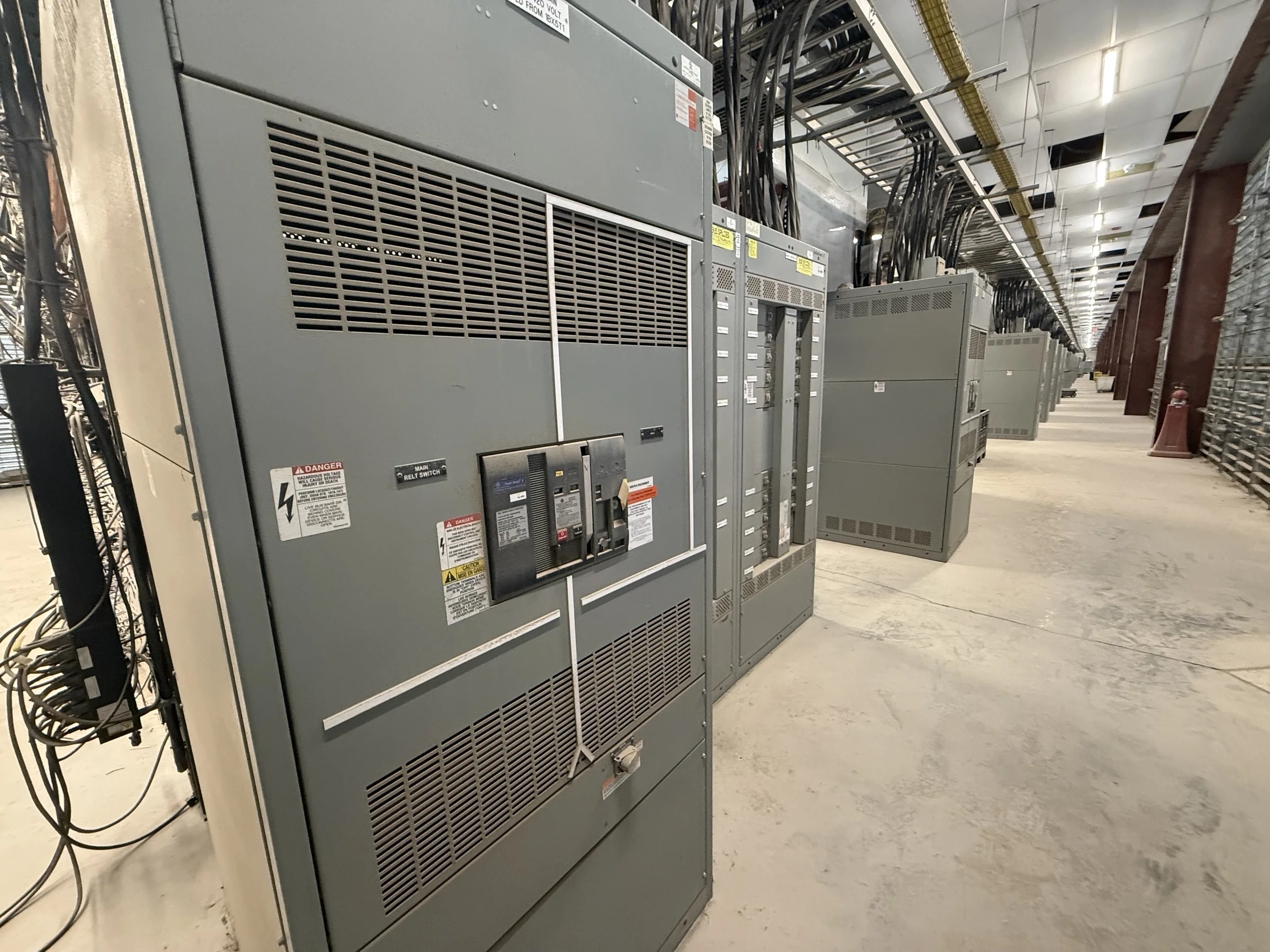
Define the MCC Around the Motor Loads
A motor control center (MCC) should be specified from the actual load list, not from a nominal horsepower total. For each motor, document voltage, full-load current, starting method, duty, service factor where applicable, and the required control functions. Note which loads need across-the-line starters, reduced-voltage starting, or variable-frequency drives, and identify any future spaces as planned capacity rather than assumed usable capacity. These choices affect section layout, heat dissipation, feeder coordination, and the space needed for maintenance. In La Porte, where industrial facilities may have process loads with different operating priorities, clearly distinguish continuous, intermittent, and standby duties. A U.S. manufacturer can develop a new MCC around project requirements, subject to design review and component availability.
Coordinate Protection, Controls, and Upstream Power
Protection and control decisions need to match the electrical system feeding the MCC and the behavior of connected equipment. Provide available fault-current information, upstream protective-device data, grounding approach, control voltage, and the intended coordination or arc-flash study inputs. Where drives or soft starters are included, confirm motor cable routes, bypass expectations, harmonic considerations, and any required communications interfaces with the responsible engineering team. These details matter because a lineup that fits the motor schedule may still conflict with feeder protection, control-system architecture, or fault-duty requirements. Do not assume a standard starter combination or a particular short-circuit rating will suit the installation. Final ratings, compatibility, and any applicable evaluation must be confirmed for the specific assembly and project documentation.


Plan the Room, Access, and Environmental Conditions
Before releasing an MCC for manufacture, compare the proposed lineup with verified room dimensions, access paths, and service clearances. Record door and corridor widths, ceiling height, floor openings, housekeeping-pad elevations, cable-entry direction, and the location of nearby piping or other equipment. La Porte project sites may also need to account for Gulf Coast humidity, airborne contaminants, or process-area conditions; identify those exposures rather than relying on a generic indoor designation. Enclosure selection and any environmental provisions depend on the actual location and applicable project requirements. This review matters because a lineup can meet electrical needs yet be difficult to move into the room, connect, ventilate, or maintain. Confirm these constraints with the facility team before finalizing section arrangement and shipping configuration.
Make Submittals Useful for Review and Installation
A complete procurement package gives engineering, operations, and construction teams a shared basis for approval. Typical project inputs include the one-line diagram, motor and starter schedule, control schematics, communication requirements, equipment-room plan, cable-entry preferences, and the governing project specifications. Request drawings and product data that show lineup dimensions, section functions, connection details, and interface points, with revisions tracked against the approved design. If a low-voltage switchboard assembly is part of the scope, UL 891 may be relevant to that assembly when appropriately evaluated; it is not a blanket certification for every MCC or for medium- and high-voltage equipment. Clear submittals matter because unresolved interfaces can delay installation decisions. Listing, evaluation, and standards applicability must be confirmed for the specific equipment and project.
Discuss Timing Before the Release Package Is Final
Schedule discussions are most productive when they begin with a stable scope and identify decisions that remain open. Provide the required in-service date, approval milestones, site-readiness assumptions, and any phased-delivery constraints, then ask which components or design choices could affect the manufacturing sequence. Custom builds and American components are available offerings, but actual availability and timing depend on the approved design, component sourcing, and project conditions; no delivery period should be assumed until confirmed for the order. This matters for La Porte facilities coordinating shutdowns, contractors, and process startup: a tentative ship date is not the same as a coordinated installation window. Keep procurement, engineering, and site contacts aligned on revisions so changes are assessed before they affect drawings, assembly, or logistics.
Coordinate Delivery With the La Porte Site Team
Nationwide shipping can support a La Porte project, but delivery planning should start with the receiving site's constraints. Confirm the delivery address, receiving hours, truck access, turning and staging space, unloading responsibility, and whether the equipment must pass through a gate or controlled industrial area. Check whether the route to the electrical room can accommodate the shipping configuration and whether the floor or lifting plan supports moving sections into place. These details matter because a shipment that reaches the site on time may still be difficult to receive or position without a prepared crew and equipment. Coordinate packaging, shipment sequence, and any required site notifications with the manufacturer and contractor. Final shipping arrangements, equipment configuration, and timing remain specific to the project and confirmed order.