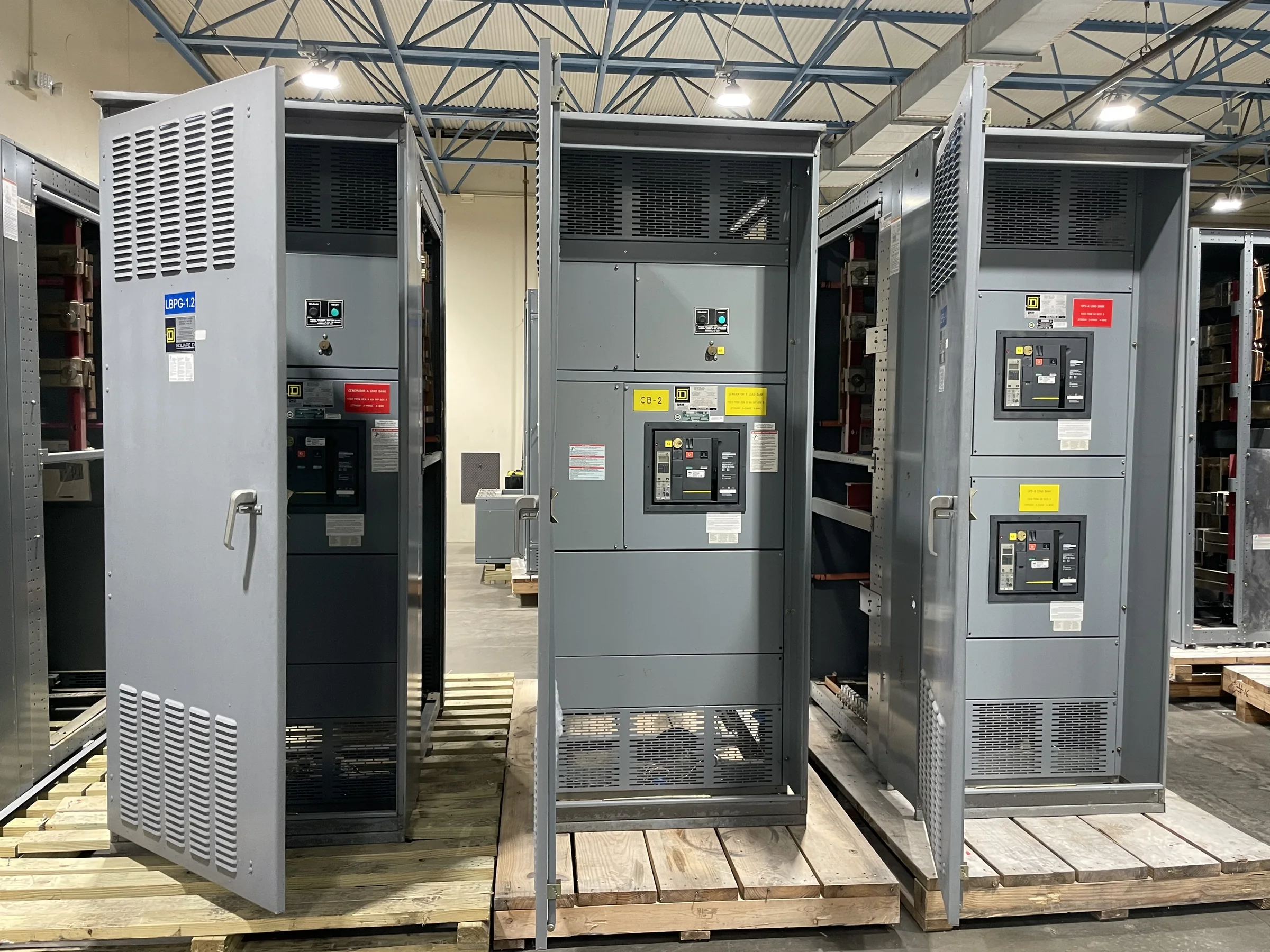
Define the Motor-Control Scope Before Requesting a Quote
A motor control center (MCC) brings motor-control units together in a coordinated assembly, but the right arrangement depends on what the process must operate and how the facility distributes power. Start with a motor list that identifies each load, its nameplate information, starting method, operating duty, and required control functions. Note which motors need variable-speed control, reversing, soft starting, or simple across-the-line starting; these choices affect unit space, heat, wiring, and coordination. Also identify spare capacity, future process additions, and any loads that must remain available during maintenance. For a Sugar Land project, gather the electrical one-line diagram and process documentation before discussing a new MCC. A complete scope helps the manufacturer develop a project-specific configuration rather than price an assumed lineup.
Match the Assembly to the Electrical System
MCC compatibility is more than matching a nominal voltage. Confirm the facility’s system voltage, phase, frequency, available fault current, grounding arrangement, and upstream protective-device information, then have qualified project personnel establish the applicable equipment ratings and coordination requirements. A change in the available fault current or upstream transformer can affect the required assembly rating and protective-device selection, so old drawings should be checked against present conditions. Specify whether the MCC connects to a new or existing distribution system, and document the feeder, bus, and control-power interfaces. If the project includes replacement equipment, record existing section dimensions, cable-entry locations, and connection details; physical fit does not establish electrical compatibility. Final ratings, construction, standards, and any applicable evaluation or labeling are project-specific and should be confirmed before release.


Choose Unit Functions Around Operations and Maintenance
The unit schedule should reflect how operators start, stop, monitor, and isolate each motor in normal service and during faults. Identify required control voltage, field-device interfaces, communication needs, interlocks, alarms, and local operating provisions, while distinguishing requirements from options that are merely preferred. Consider which units may need to be withdrawn or serviced and how the process will respond when a unit is unavailable. A critical pump, for example, may warrant a different operating and spare strategy from a nonessential auxiliary motor; the right choice depends on process consequences, not a universal rule. Ask engineering and maintenance teams to review access, labeling, and replacement-unit expectations before the lineup is finalized. Clear functional descriptions reduce late changes to wiring diagrams, control logic, and unit schedules.
Plan the Sugar Land Site and Delivery Route
Delivery planning in Sugar Land should account for the actual receiving site, not just the city named on the purchase order. Confirm truck access, gate and dock restrictions, overhead clearances, turning space, unloading equipment, staging area, and the route from the receiving point to the electrical room. MCC sections can be heavy and awkward to handle, so the project team should verify handling arrangements and any limits on doorways, corridors, floors, or elevators before shipment. Check whether construction sequencing requires temporary weather protection or coordinated delivery near the installation date. Provide the manufacturer with the site contact, receiving hours, carrier instructions, and any access or appointment requirements. Nationwide shipping can support a project in the Houston area, but routing, packaging, shipment timing, and unloading responsibilities must be agreed for that specific order.
Coordinate Documents, Reviews, and Schedule
The purchase schedule depends on more than the date a quote is requested. Assemble the motor list, one-line, site dimensions, control requirements, preferred manufacturer or component constraints, and requested submittal dates for the initial review. Then agree on the document sequence: proposed layout, unit schedule, wiring diagrams, and other project records needed for engineering approval and installation. Assign reviewers and return comments promptly; unresolved interface questions can hold up release or force changes after fabrication planning begins. Ask the manufacturer to identify current component availability and the schedule assumptions behind its quoted timing, since configuration, approvals, and supply conditions are project-specific. A U.S. manufacturer offering custom builds and short lead times should still confirm the actual project schedule in writing rather than imply a guaranteed delivery period.
Prepare for Installation, Verification, and Handover
Before the MCC arrives, confirm the approved drawings, foundation or floor requirements, incoming and outgoing cable routes, grounding provisions, and clearances against the installation space. Coordinate responsibility for setting, joining sections, field connections, control wiring, inspection, and startup; these tasks should be assigned to appropriately qualified personnel under the project’s safety procedures. Electrical work must be performed de-energized unless a properly justified and authorized process applies, with required isolation and verification handled by qualified workers. At turnover, keep final drawings, device settings, test and inspection records, operating instructions, and a unit inventory with the facility’s maintenance documents. For low-voltage switchboard assemblies, UL 891 may be relevant when the specific assembly is appropriately evaluated; it is not a blanket certification for MCCs or medium- and high-voltage equipment. Confirm applicable requirements for the exact configuration.