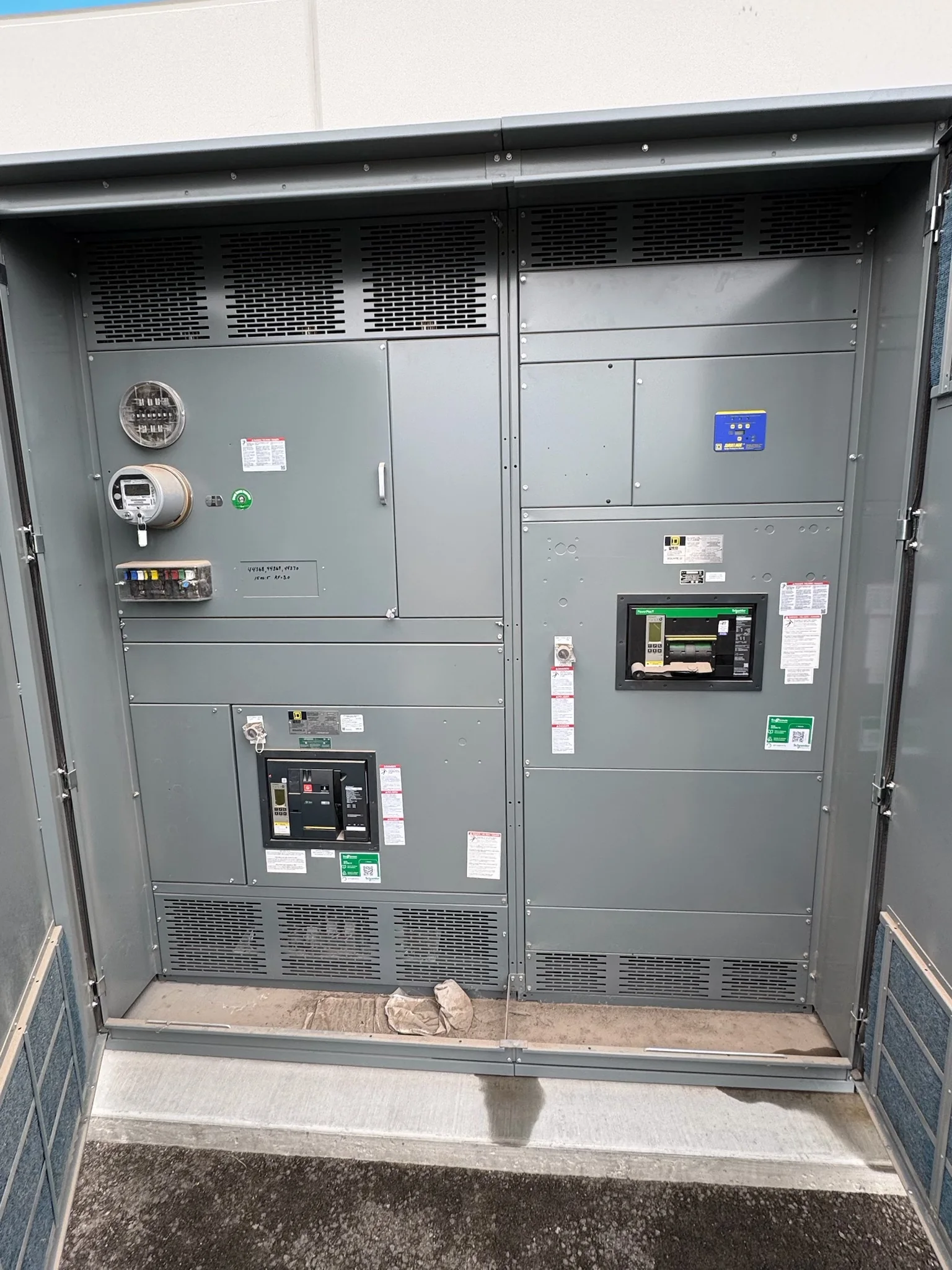
Start With the Process Load Profile
Petrochemical facilities often serve process equipment with different operating patterns, starting demands, and consequences of interruption. Before selecting switchgear, assemble a load list that identifies motors, heaters, pumps, compressors, control systems, and essential services, along with available nameplate and operating data. Engineers can use that information to assess feeder arrangement, source configuration, protection coordination, and opportunities to separate critical loads from less essential ones. The distinction matters: a single lineup serving every process may simplify the equipment schedule but can complicate maintenance or increase the effect of a fault. Include planned expansions and spare-feeder needs in the initial discussion. Final ratings, protective-device settings, and equipment suitability depend on project conditions and engineering review, not a generic petrochemical specification.
Match the Equipment to the Electrical System
Switchgear selection begins with the facility’s actual distribution system, not just its voltage label. Confirm nominal and maximum system voltage, available fault current, grounding method, frequency, incoming sources, and the intended operating arrangement, including any tie or standby source. These details influence equipment ratings, bus design, protective devices, and whether proposed gear can interface with existing transformers and downstream equipment. For replacement projects, obtain existing nameplates, one-line diagrams, and records of modifications; old drawings may not reflect the installation now in service. Ask the engineer of record to identify governing codes and project standards, and resolve discrepancies before release for manufacture. A U.S. manufacturer can build to a defined project specification, but compatibility and applicable evaluations must be confirmed for the specific assembly and service.


Account for Hazardous-Area Boundaries
Petrochemical sites may contain classified locations, corrosive atmospheres, combustible dust, washdown areas, or elevated temperatures, but those conditions do not apply uniformly across every electrical room. The project team should provide current area-classification drawings and identify environmental conditions at the proposed gear location. Switchgear is not automatically suitable for installation within a classified area simply because it serves a process facility; location, enclosure, installation method, and associated equipment must be evaluated against the project requirements. Room ventilation, condensation control, chemical exposure, and access for inspection also affect long-term reliability. Clarifying these constraints early helps prevent a late redesign or a mismatch between equipment and site conditions. The responsible engineering team must establish the required ratings, construction, and compliance for the specific location.
Coordinate Outage, Submittals, and Delivery
A switchgear purchase is tied to a construction sequence, and delivery planning should account for more than the requested arrival date. Ask the manufacturer to discuss current project timing after reviewing scope, approved drawings, component selections, and required submittals; custom configurations and review cycles can affect the schedule. Coordinate that estimate with outage windows, demolition, room readiness, receiving hours, and the installation contractor’s plan. Petrochemical facilities may require advance notice for site access, vehicle registration, escorts, or delivery appointments, so confirm these procedures with the facility rather than assuming a standard drop-off. Nationwide shipping supports projects across the United States, but route, unloading equipment, shipment dimensions, and final placement are project-specific. Define who handles rigging, storage, inspection at receipt, and damage documentation before shipment.
Review Drawings and Interface Details
Submittals should let the design and construction teams verify how the proposed lineup fits the electrical and physical design before fabrication proceeds. Review the one-line diagram, elementary diagrams, elevations, dimensions, conduit-entry zones, bus connections, and device schedules against the project documents and field conditions. Confirm cable sizes and termination requirements with the equipment design, and check that access, working clearances, door swing, and removal paths are practical in the actual room. Also identify required interfaces for metering, alarms, controls, communications, and interlocking, including which party supplies or configures each item. A drawing that looks acceptable on paper can still create installation delays if cable entry conflicts with structural steel or existing raceways. Resolve such items through documented review comments and approved revisions before release.
Plan for Maintainability and Future Changes
Procurement teams should consider how operators and maintenance personnel will use the equipment throughout its service life, not only how it meets the initial load schedule. Discuss access to operating handles, inspection points, replaceable devices, and cable compartments, while confirming that the final arrangement preserves required electrical clearances and site procedures. If the facility anticipates additional process trains or capacity changes, document likely future feeders and physical constraints now; reserved space, bus provisions, or later expansion options must be evaluated for the particular design rather than assumed. Request applicable operation and maintenance information, final drawings, equipment identification, and agreed test documentation as contract deliverables. Before energization or service, qualified personnel must follow the facility’s approved commissioning, isolation, and safety procedures. Clear scope and records support safer maintenance and more informed future upgrades.