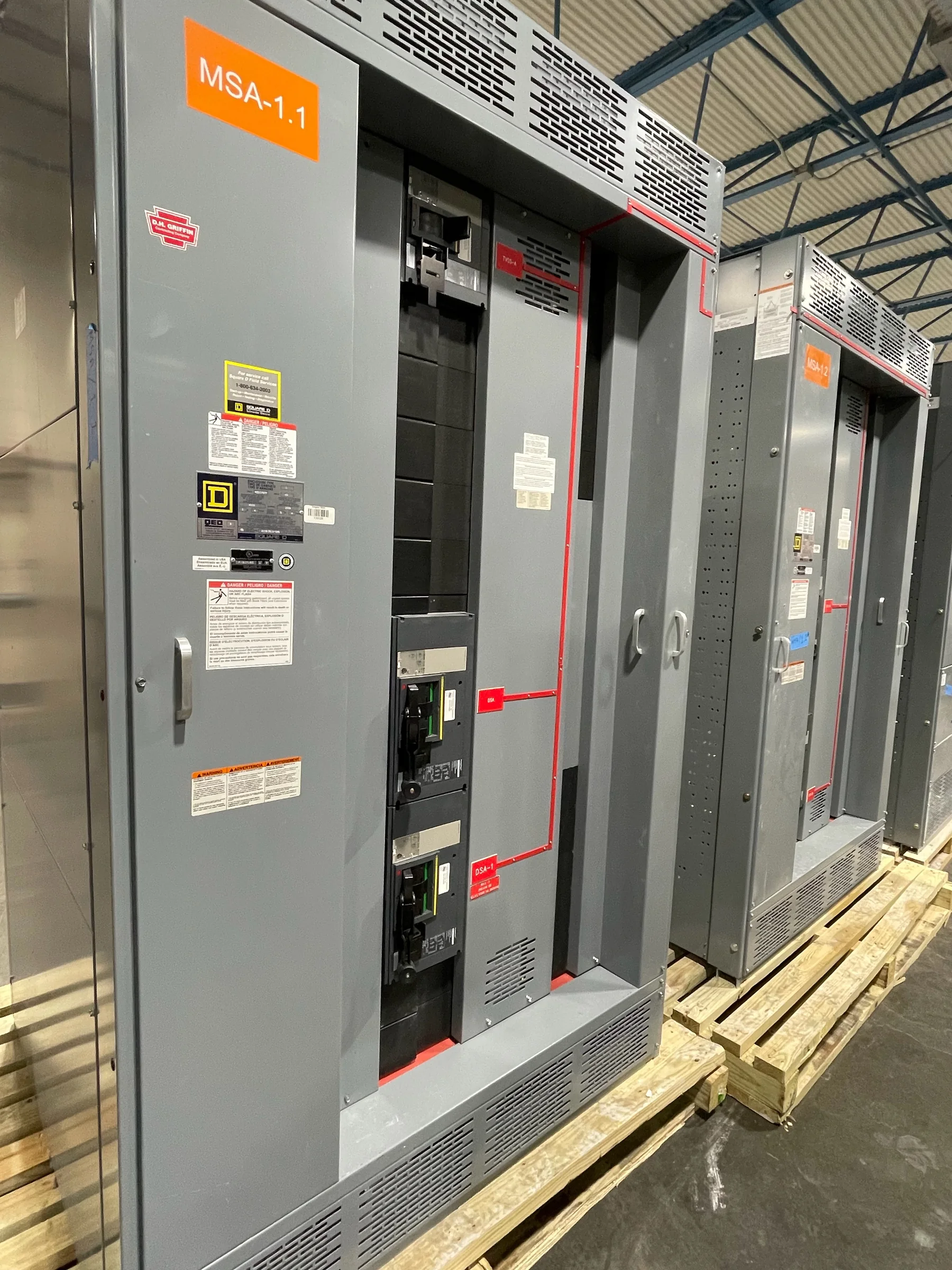
Define the refinery duty before selecting switchgear
Refinery distribution equipment must be matched to the electrical system it will actually serve, not chosen by voltage class alone. Start with the one-line diagram, nominal and maximum system voltage, available fault current, grounding method, frequency, and the roles of normal, alternate, and emergency sources. Confirm whether the equipment is a low-voltage switchboard, switchgear lineup, or medium-voltage assembly; those terms are not interchangeable, and the distinction affects construction, protection, and evaluation requirements. Include motor loads, transformers, large process drives, and future tie-ins in the load review. These details matter because an incomplete duty description can lead to incompatible interfaces or an unsuitable interrupting rating. Final ratings, construction, and standards applicability require project-specific engineering review.
Account for process continuity and protection coordination
A refinery’s process loads may have different consequences when interrupted, so the distribution design should reflect operating priorities rather than treating every feeder alike. Provide the engineer with the protection study, relay and trip-unit requirements, coordination objectives, and the intended sequence for transferring loads between sources. Identify critical control, utility, fire-protection, and process systems, while leaving protection settings to qualified project engineering. Selective coordination, where required by the design or applicable rules, must be evaluated against actual device characteristics and available fault current; it should not be assumed from a product description. This review matters because poorly coordinated protective devices can extend an outage beyond the faulted circuit. Confirm control power, metering, communications, and interlocks on drawings before release for manufacture.


Resolve the site environment and installation constraints
Refinery locations can expose electrical equipment to heat, dust, moisture, corrosive atmospheres, vibration, or hazardous-area boundaries, but conditions vary from one building and process unit to another. Document the intended room or outdoor location, ambient conditions, enclosure and ingress-protection needs, altitude if relevant, cable-entry direction, and any project-specific environmental requirements. Clearly identify whether the assembly sits inside a classified area or in a separate electrical room; equipment suitability and installation methods depend on the classification and governing design documents. Also check floor loading, access aisles, door clearances, lifting paths, and available space for cable termination and maintenance. These constraints matter before fabrication because a lineup that meets electrical requirements may still be difficult or unsafe to install or service at the designated location.
Build a complete RFQ and drawing review package
A useful request for quotation lets the manufacturer evaluate the electrical duty and the physical interfaces without guessing. Include the latest one-line diagram, equipment schedule, load data, fault-current information, applicable specifications, site conditions, preferred layout, cable and bus connections, and required accessories. State the requested submittal documents, review milestones, approved vendor or component requirements, and any inspection or testing expectations. For low-voltage switchboard assemblies, UL 891 may be relevant when the assembly is appropriately evaluated for that standard; it does not establish a blanket listing for medium- or high-voltage equipment. Resolve exceptions, assumptions, and open technical questions in writing. This documentation matters because clear scope reduces late drawing changes and helps procurement compare proposals on equivalent electrical and mechanical requirements.
Coordinate schedule around approvals and outage windows
A refinery project schedule depends on more than fabrication duration. Identify when approved-for-construction drawings are needed, when site dimensions and cable information will be final, and whether equipment must align with a planned turnaround or a tightly controlled outage. Ask the manufacturer to discuss current timing after the scope, components, engineering reviews, and approval sequence are understood; do not treat an unconfirmed estimate as a delivery commitment. Long-lead components, design revisions, inspection requirements, and incomplete interface data can all affect the schedule. Establish who can approve submittals and how changes are documented, then connect those milestones to site readiness and installation planning. This matters because equipment arriving before foundations, conduits, or outage authorization are ready may create storage, handling, and project-sequencing problems.
Plan shipping, receiving, and replacement interfaces
Nationwide delivery still requires site-specific coordination, particularly where refinery access controls, security screening, limited laydown space, or restricted receiving hours apply. Confirm the delivery address and receiving contact through the project team, truck and crane access, unloading responsibility, packaging expectations, and whether the route imposes size or weight limits. Compare the proposed lineup dimensions and shipping sections with door openings, corridors, elevator limits if applicable, and the final equipment-room path. For replacement work, document existing bus connections, feeder arrangements, control wiring, mounting conditions, and the boundaries of the planned retrofit; physical and electrical compatibility must be verified rather than presumed. These checks matter because a shipment can reach the facility yet still be impossible to move into position or connect without unplanned work. Coordinate final logistics and acceptance documents before dispatch.