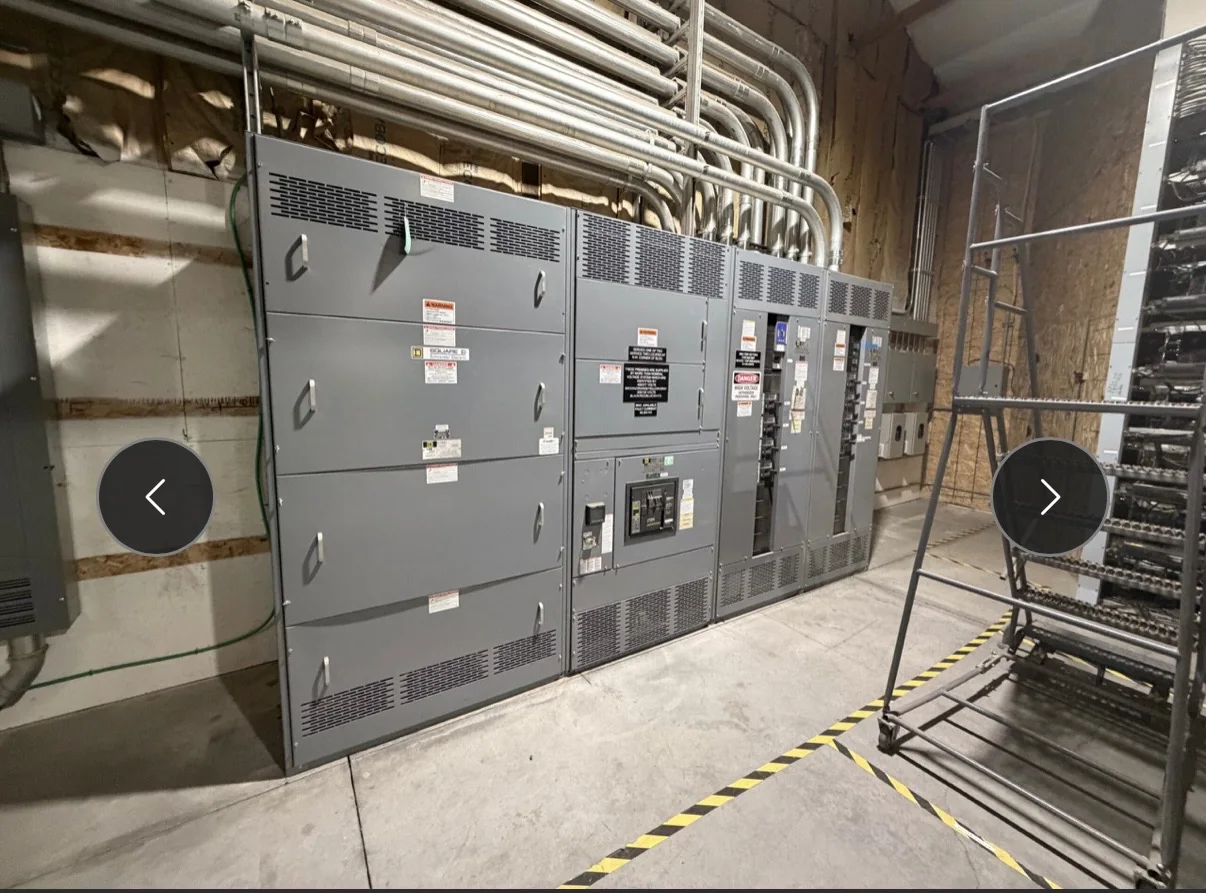
Start With the Distribution Need
A useful switchgear quote begins with the job the equipment must do, not a guessed product name. Describe whether the project is a new service, capacity expansion, equipment replacement, or retrofit, and identify the loads or downstream systems involved. Include the nominal system voltage, phase and wire configuration, frequency, available fault-current information, and requested continuous-current rating when known. These details shape the equipment arrangement and help expose mismatches before a proposal is prepared. If key values are still under review, label them as preliminary rather than treating assumptions as approved design inputs. Protection, metering, service entrance requirements, and coordination with upstream and downstream devices can affect configuration and price. Final ratings, construction, and applicable standards must be confirmed for the specific project.
Share Drawings and Existing-Equipment Details
Attach the documents that explain how the proposed equipment must connect and fit. A one-line diagram, panel or switchboard schedules, site electrical drawings, and equipment data sheets can clarify feeder counts, protective-device requirements, metering, and interfaces with existing systems. For replacement work, provide the existing manufacturer and model if available, nameplate photographs, enclosure dimensions, bus details, and clear images of cable or bus connections. A photograph alone rarely establishes electrical compatibility, but it can help identify questions that drawings do not answer. Mark documents with revision dates and note any design changes still pending. This reduces the risk of quoting around an obsolete layout or incomplete circuit schedule. Existing equipment must be safely de-energized before anyone gathers information that requires access to electrical compartments.


Define the Installation Environment
The physical setting can change enclosure selection, layout, and installation requirements, so describe where the gear will operate. Note indoor or outdoor placement, ambient conditions, moisture, dust, corrosive exposure, elevation concerns, access restrictions, and any applicable room or enclosure requirements identified by the project team. For industrial facilities, nearby process equipment, washdown practices, vibration, heat, or airborne contaminants may affect the application; do not assume a standard enclosure suits every condition. Identify available floor space, working clearances, door swing needs, cable entry direction, and the route from the delivery point to the final location. These constraints matter because an assembly that meets electrical needs can still be impractical to place, maintain, or connect. The design team should verify site conditions and governing requirements.
Clarify Timing, Scope, and Procurement Needs
Share the project milestone that drives the request, such as design development, approved submittals, shutdown planning, or required-on-site date. A target date helps the manufacturer assess the request, but it is not a delivery guarantee; schedule, configuration, component availability, and review cycles are project-specific. State whether the quote should cover equipment only or include requested accessories, documentation, or other defined scope items. Identify the purchasing entity, ship-to location, bid or project reference, and any proposal format or commercial terms that must be addressed. If multiple configurations are being considered, separate the base requirement from alternates so differences can be evaluated clearly. Early notice of approval steps, revision deadlines, and site access limits helps procurement and engineering plan realistic decisions without hiding unresolved dependencies.
Review Standards and Replacement Compatibility
List the standards, specifications, and approval requirements named in the project documents, and identify who will confirm their applicability. UL 891 relates to appropriately evaluated low-voltage switchboard assemblies; it is not a blanket certification for medium- or high-voltage equipment, and a quote should not be read as proof that every proposed product carries a UL label. For a replacement or retrofit, describe what must remain in service and which interfaces may change. Existing bus arrangements, cable termination space, protective-device characteristics, control wiring, and upstream coordination can make a nominally similar assembly unsuitable. Provide available coordination or arc-flash study information when relevant, while having qualified project professionals establish design criteria. The proposed configuration, ratings, listing status, and compatibility need project-specific confirmation before purchase and installation.
Coordinate Review, Delivery, and Next Steps
Before submitting, check that the request includes a project contact, current drawings, known electrical data, site constraints, and a clear explanation of unresolved items. A U.S. manufacturer can develop new equipment around project requirements, including custom builds, American components, and nationwide shipping; exact configuration and availability depend on the application and review. Ask how revisions, technical questions, and submittal review will be handled, and identify who is authorized to approve design changes. For delivery planning, provide the destination, receiving hours, unloading capabilities, access limits, and any appointment or routing requirements. Switchgear may require coordinated handling and a prepared installation area, so shipping details affect more than freight. Once the proposal arrives, compare its scope and stated assumptions with the approved design before placing an order.