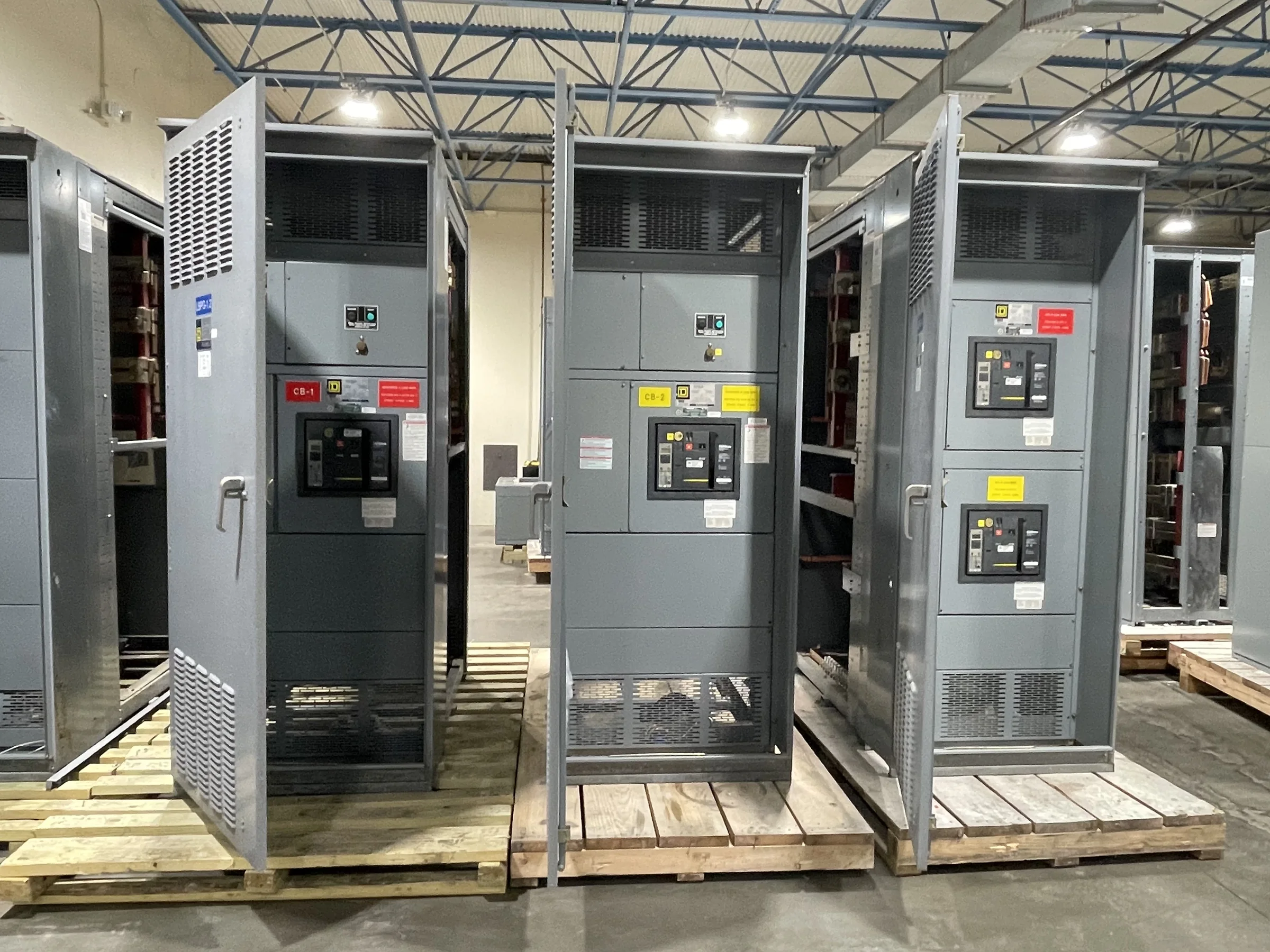
What Sets Switchgear Equipment Pricing
The price of new switchgear depends on the electrical duty it must perform, the way the lineup is arranged, and the equipment needed to connect it safely to the facility. A request for a number without system voltage, available fault current, main and feeder requirements, and installation conditions can produce a figure that is difficult to compare or use for budgeting. Specify whether the project calls for a low-voltage switchboard, medium-voltage equipment, or another distribution arrangement; these are not interchangeable categories. Bus configuration, protective devices, metering, control features, enclosure, and access requirements also affect scope. A U.S. manufacturer can develop pricing around the project’s stated requirements, but final configuration, applicable standards, and price must be confirmed for the specific design.
Build a Comparable Request for Quote
A useful request for quote gives each bidder the same technical and commercial basis. Include one-line diagrams, load or feeder schedules, equipment ratings, required protective-device functions, and the project’s governing specifications when available. Identify the service entrance or downstream application, expected future circuits, and any coordination or arc-flash study requirements that affect device selection. State whether pricing should include accessories, drawings, startup support, or other project-specific scope rather than assuming these items are included. For low-voltage switchboard assemblies, UL 891 may be relevant when the assembly is evaluated for that standard; it does not apply as a blanket certification to medium- or high-voltage equipment. Clear documents reduce omissions, conflicting assumptions, and change costs after design review.


Compare Scope Before Comparing Numbers
Two quotations with different totals may describe materially different equipment. Check that each covers the same lineup sections, bus arrangement, protective devices, metering, control wiring, enclosure, and specified accessories. Review exclusions closely: freight, unloading, installation, field testing, commissioning, and taxes may be handled differently among proposals. Confirm whether the quoted design is based on the issued drawings or on assumptions that still need engineering approval. If an existing lineup is being replaced, clarify what is included for interface points and what remains the responsibility of the electrical contractor or facility team. A lower initial figure may shift cost into field modifications or omitted scope. A written comparison matrix helps procurement identify real savings without overlooking performance, compatibility, or schedule exposure.
How Timing Affects the Purchase
A project schedule depends on more than the date a purchase order is released. Engineering review, resolution of drawing comments, approval of submittals, component selection, manufacturing, and shipping each require coordination; changes to ratings or layout after approval can affect both cost and timing. Share the required on-site date, decision milestones, and any phased construction plan when requesting pricing. Ask the manufacturer to confirm current availability and schedule assumptions for the specific configuration rather than relying on a general lead-time statement. If the equipment is needed for a shutdown or cutover, coordinate delivery and installation windows with the facility’s outage plan. Short lead times may be offered, but timing is project-specific and should be confirmed in writing before it becomes a procurement commitment.
Site Constraints That Belong in the Quote
Physical access can change the practical cost of a switchgear purchase even when the electrical design is settled. Provide room dimensions, door and corridor clearances, floor-loading limits, equipment orientation, cable-entry preferences, and available working space where known. Note whether a lineup must pass through restricted access points or arrive in sections for indoor movement; feasible shipping and assembly arrangements depend on the actual design and route. Identify receiving hours, delivery restrictions, dock or lift availability, and who will unload and move the equipment. These details matter because a truck arriving without a workable receiving plan can delay construction and create extra handling. Nationwide shipping is available, but freight method, packaging, delivery coordination, and site readiness must be addressed for each destination.
Documents to Set Price and Reduce Risk
Before award, align the commercial proposal with the documents that will govern design and acceptance. Request a clearly identified equipment scope, pricing basis, stated exclusions, drawing and submittal requirements, and any assumptions about the customer-furnished information. Provide the latest approved one-line diagram, equipment schedules, technical specification, site requirements, and relevant study findings; flag documents that are preliminary so they are not mistaken for final design criteria. Confirm how revisions will be reviewed and how a change in fault duty, feeder count, or enclosure requirement may affect price and schedule. For custom-built equipment, written approval of project-specific drawings is an important checkpoint, not a substitute for engineering review. Final requirements, compatibility, standards, and availability should be confirmed before release.