Define the Assembly Around the Distribution Plan
A switchgear assembly should begin with the one-line diagram and the job it must perform, not a catalog description. Identify the source, system voltage, available fault current, main and feeder arrangement, metering needs, and the loads that require isolation or coordination. Those details influence bus configuration, protective-device selection, compartment layout, and the space needed for cable connections. They also help reveal whether the project calls for a low-voltage switchboard assembly or equipment in another voltage class; UL 891 applies to appropriately evaluated low-voltage switchboard assemblies, not all switchgear. Share the latest drawings, schedules, and design criteria with the manufacturer, and flag unresolved assumptions. Clear inputs early reduce redesign risk and give engineering and procurement a sound basis for comparing proposals.
Resolve Ratings and Protective-Device Coordination
Nominal voltage alone does not establish whether an assembly is suitable for a facility. The engineer must confirm the system’s available fault current and select equipment and protective devices with ratings appropriate to the documented conditions. Short-circuit ratings, interrupting ratings, withstand requirements, and the upstream protective device all need to be considered together; one component’s rating does not automatically establish the rating of the complete assembly. Coordination studies and selective-coordination requirements can affect breaker types, trip settings, and feeder arrangements. Provide study information when available, or identify who will produce it and when. That gives the manufacturer and design team a chance to resolve discrepancies before release. Final ratings, device compatibility, and standards applicability remain project-specific and require review against the approved design.


Review Layout, Access, and Cable Entry
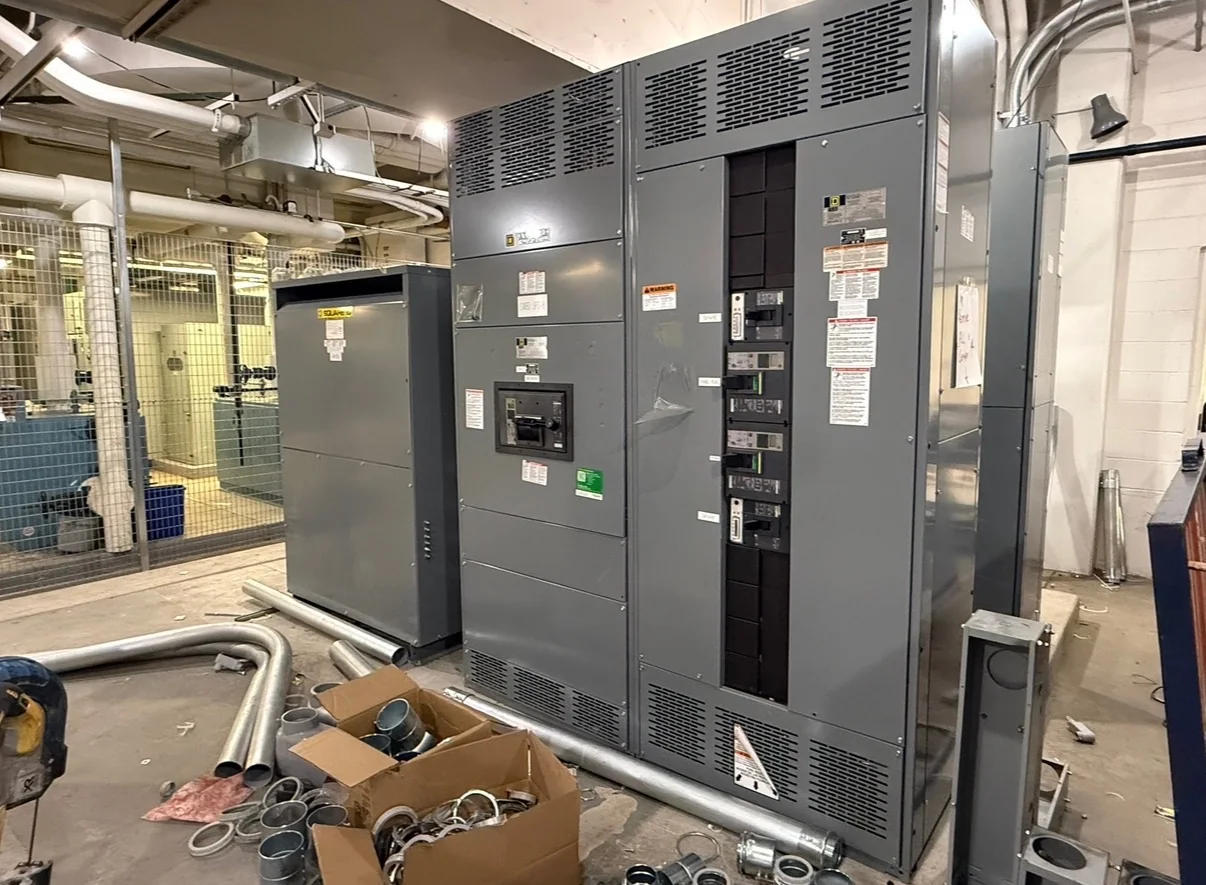
A workable lineup must fit both the electrical design and the room where it will be installed. Confirm the available floor area, door and aisle clearances, ceiling height, equipment access route, and any columns, trenches, overhead services, or other obstructions. Cable entry direction and conductor bending space deserve early attention: a drawing that fits the enclosure footprint may still leave too little room to terminate large conductors or reach devices safely. Check whether the site requires rear access, front-only access, or a particular arrangement of sections, then coordinate that choice with maintenance needs and applicable design requirements. Provide room plans, doorway dimensions, and cable information with the request for quote. Early fit checks help avoid field modifications, delayed setting, and costly changes to building work.
Make Timing a Documented Project Decision
A requested ship date is useful only when it is tied to a defined scope and realistic approval milestones. Identify when the one-line, load schedule, specifications, and site conditions will be ready; then ask the manufacturer to state what information is needed for a firm proposal and what events affect the production schedule. Submittal preparation, engineer review, revisions, and approval can all influence the release date, as can changes to devices or enclosure details after approval. Do not treat an estimate as a guaranteed delivery commitment. For procurement planning, record the schedule basis, open questions, approval responsibilities, and any required delivery window in writing. This makes lead-time discussions more actionable and helps the project team distinguish manufacturing progress from decisions or site readiness that remain outside the manufacturer’s control.

Coordinate Submittals, Testing, and Handover Records
Complete project documentation is part of a successful assembly, not an administrative afterthought. The submittal package should be checked against the purchase specification, approved one-line diagram, equipment schedule, and applicable project requirements. Confirm how deviations will be identified and approved, and verify that device designations and section labels match the facility’s naming scheme. Ask which drawings, manuals, and test records are included for the ordered scope, and identify any owner or inspector documentation requirements before release. If a low-voltage switchboard is specified to UL 891, confirm that the particular assembly is appropriately evaluated and labeled where required; the standard is not a blanket claim for every product or voltage class. Keeping the approved record set current supports installation checks, commissioning coordination, maintenance planning, and future expansion.
Plan Shipping and Site Receipt Before Release
Nationwide shipping does not remove the need to plan how a particular assembly will reach its final location. Compare the proposed section breakdown and shipping dimensions with the route from the delivery point to the electrical room, including loading docks, elevators, ramps, turning space, and floor capacity. Establish who will receive the shipment, what unloading equipment is available, and whether delivery must meet site access hours, security rules, or a scheduled installation sequence. Protecting equipment from weather and impact during storage also matters when construction is not ready for immediate setting. Share these constraints before the order is finalized so packaging, shipment coordination, and receiving plans can be reviewed against the project. Confirm the actual delivery arrangement and responsibilities with the manufacturer; timing and availability depend on project-specific scope and conditions.