Define the Service Entrance Around the Building Load
A service entrance switchboard must match the utility service, building demand, and downstream distribution—not simply the existing cabinet footprint. For a Galveston facility, begin with the utility’s service requirements, available fault-current information, load calculations, and the planned balance of continuous, intermittent, and future loads. These inputs affect the switchboard’s electrical ratings, main-device arrangement, metering provisions, and outgoing feeder space. Confirm whether loads such as pumps, refrigeration, process equipment, or emergency systems require distinct distribution or coordination. A replacement project also needs a careful comparison between existing service characteristics and the intended new equipment; assumptions based on an old nameplate can lead to incompatible connections or inadequate capacity. Final ratings and arrangement depend on engineering review, utility requirements, and project-specific evaluation.
Account for Galveston’s Coastal Site Conditions
Salt-laden air, wind-driven rain, humidity, and occasional storm exposure make enclosure selection and equipment placement important planning decisions in Galveston. Discuss the installation environment with the project engineer and manufacturer: indoor versus outdoor location, exposure to moisture or corrosive contaminants, ventilation, drainage, and proximity to doors or loading areas can all influence the appropriate construction. An enclosure choice should reflect the actual site and applicable project requirements rather than a general assumption that all coastal installations need the same treatment. Consider elevation and flood-risk planning with the responsible design professionals, especially where electrical rooms or service equipment could be exposed to water. These conditions matter because water intrusion and corrosion can damage insulation, connections, and operating mechanisms, while restricted access after severe weather can complicate inspection and restoration.


Coordinate Utility, Metering, and Protection Requirements
Before releasing a service entrance switchboard for manufacture, align the one-line diagram with the serving utility’s service, metering, and connection requirements. Confirm the service voltage and configuration, point of service, metering approach, grounding and bonding design, and any required utility-access provisions with the appropriate parties. The protective-device scheme also needs engineering attention: available fault current, selective coordination objectives, and downstream equipment ratings can affect device selection and settings. These details are not interchangeable between sites, even when two buildings appear to have similar loads. Resolving them early helps avoid redesign, connection conflicts, or inspection delays. Provide current utility information and identify who will approve drawings, equipment arrangements, and field connections; the final design remains subject to project review and applicable requirements.
Plan the Replacement and Electrical-Room Fit
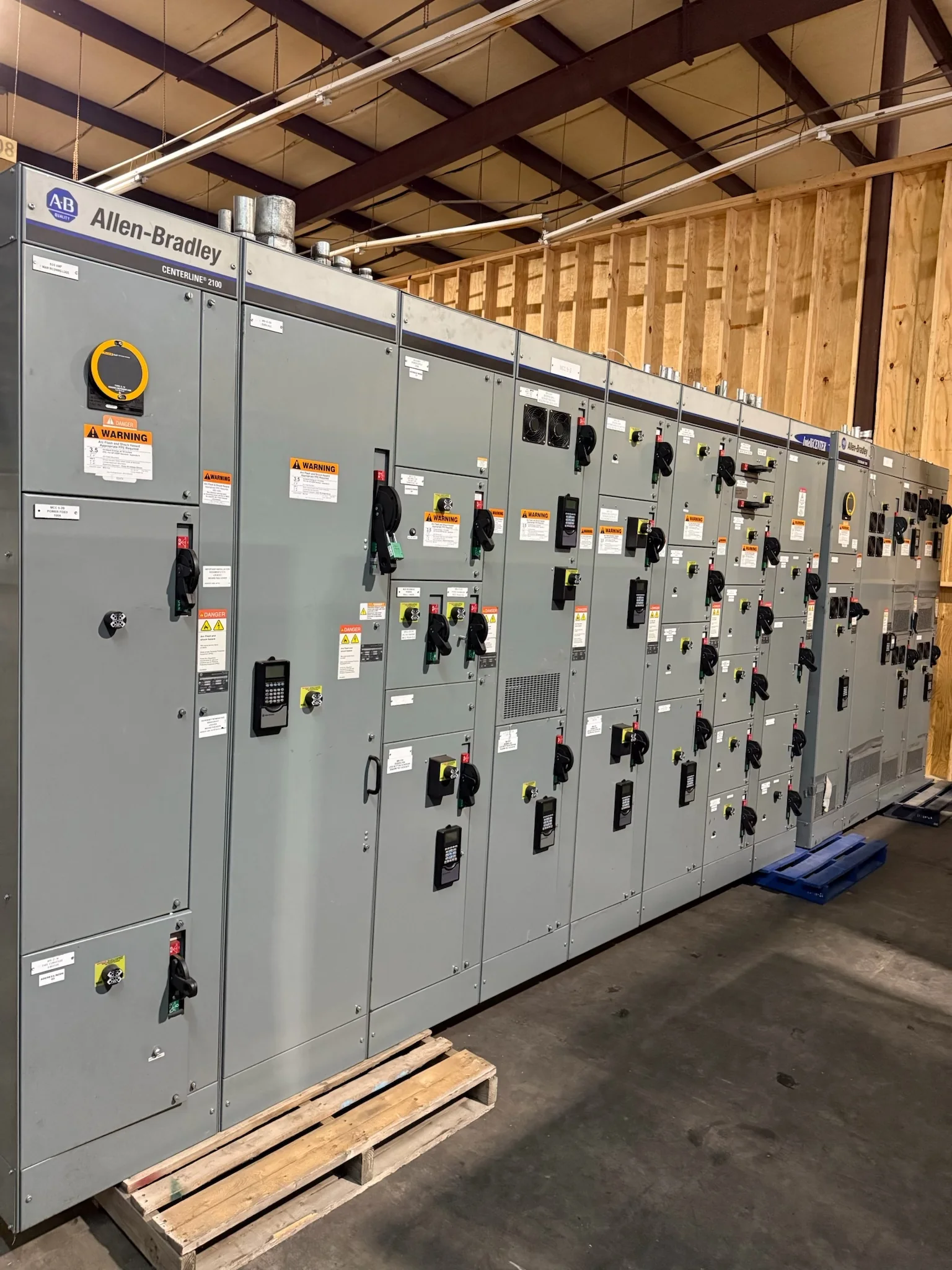
A switchboard replacement can be constrained by more than its electrical rating. Verify room dimensions, ceiling height, door and corridor clearances, equipment working space, anchorage, conduit entry locations, cable bending space, and the route from the delivery point to the installation area. Existing conductors may not reach new terminals, and legacy gear can have arrangements that differ from a replacement design. Document field measurements and photographs, while having qualified personnel establish existing conditions under appropriate safety procedures. For an operating facility, plan the outage window, temporary operating arrangements if needed, and coordination with affected departments before equipment is ordered. These checks matter because a unit that fits the electrical design but cannot pass through an access route or align with existing conduits can disrupt installation and service restoration.
Prepare a Complete Specification and Review Package
A useful procurement package gives bidders and reviewers enough information to identify the required equipment without treating unknowns as settled. Include the one-line diagram, load data, service and fault-current information, device and metering requirements, enclosure environment, entry direction, space constraints, and applicable project standards. Identify existing equipment details for a replacement, including photographs, nameplate data, and connection conditions where available. Ask for drawings that show the proposed lineup, dimensions, major components, and connection interfaces, then route them to the engineer, utility, and other required reviewers before approval to build. A U.S. manufacturer can discuss custom-build options and American components against the documented requirements. UL 891 applies to appropriately evaluated low-voltage switchboard assemblies; it is not a blanket certification for all equipment or every proposed configuration.
Discuss Timing, Shipment, and Receiving in Advance
Set expectations for schedule and delivery by reviewing the complete scope, drawing-approval path, component requirements, and destination conditions with the manufacturer. Custom construction and component availability can affect timing, so request a project-specific schedule rather than relying on a general lead-time statement. For a Galveston delivery, confirm the receiving address and contact, site access, truck restrictions, unloading equipment, staging space, and protection from weather before shipment is arranged. Check whether the building can accept the equipment in one shipment or whether access requires another plan; do not assume a large switchboard can be moved through the available route. Nationwide shipping is available as an offering, but routing, handling, and delivery details depend on the project. Coordinate receipt, inspection, storage, and installation with the electrical contractor to reduce exposure and avoid preventable site delays.