Define the Service Entrance Before Selecting the Switchboard
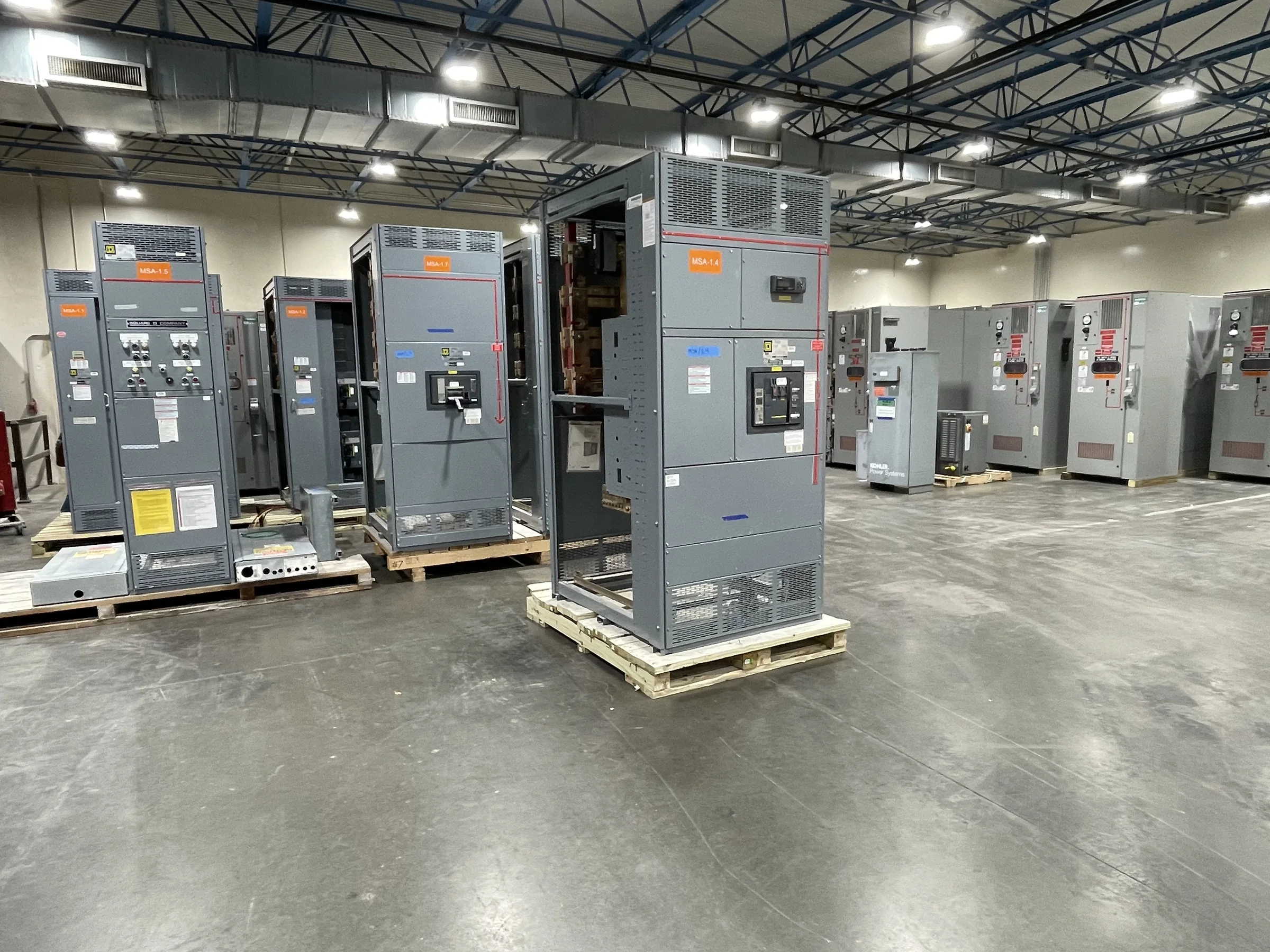
A service entrance switchboard is part of the facility’s supply path, so its configuration must match the serving utility and the project’s electrical design. Before requesting a quote, assemble the available service voltage, phase and wire arrangement, calculated load, fault-current information, grounding approach, and the utility’s metering and service requirements. These details affect the incoming section, metering provisions, protective devices, and coordination with downstream equipment. Houston projects may involve new construction, capacity additions, or replacement of aging distribution equipment; each has different connection and outage constraints. Identify whether the switchboard serves a single building or distributes power to multiple areas, and provide one-line diagrams and load schedules where available. Final ratings and compatibility depend on project review and utility coordination.
Coordinate Ratings, Protection, and Downstream Equipment
A switchboard’s nominal voltage and current rating are only part of the selection. Engineers and procurement teams should also reconcile available fault current, interrupting ratings, protective-device choices, and selective-coordination objectives with the complete distribution system. A mismatch can affect equipment suitability, arc-flash analysis, coordination, or the ability to connect existing feeders. Share the latest one-line diagram, transformer data, protective-device schedules, and known downstream equipment details during specification review. For replacement work, document existing bus arrangement, cable or conduit entry, termination space, and any constraints imposed by equipment that will remain in service. Do not assume a proposed assembly duplicates an existing arrangement solely because its nameplate values appear similar. Verify requirements against applicable codes, utility criteria, and project-specific engineering.


Account for Houston’s Heat, Humidity, and Exposure
Houston’s hot, humid conditions make enclosure location and environmental exposure important design inputs, particularly where equipment sits outdoors, in a partially conditioned electrical room, or near washdown and process areas. Tell the manufacturer whether the installation is indoors or outdoors, whether direct sun or rain reaches the enclosure, and whether dust, corrosive substances, or water exposure is expected. Those conditions inform enclosure and accessory review; they do not establish a rating without project-specific evaluation. For indoor installations, room temperature, ventilation, working clearances, and heat generated by adjacent equipment can affect operating conditions and maintenance access. Confirm site requirements with the electrical engineer and applicable authorities. Avoid specifying an enclosure by appearance alone: the actual location and exposure determine what protection the installation needs.
Resolve Layout, Access, and Existing-Site Constraints
A switchboard can meet electrical requirements and still create problems if it cannot be moved into place or serviced safely. Houston renovations and occupied facilities may have narrow doors, low ceilings, restricted freight elevators, active loading areas, or limited room for temporary storage. Provide the proposed equipment-room plan, doorway and route dimensions, floor-loading information where required, and the available working and service clearances. Identify the intended cable-entry direction, conduit locations, overhead obstructions, and any adjacent gear that must remain accessible. For replacement planning, clarify whether the project requires a shutdown window, temporary power, phased installation, or coordination with other trades; these are planning inputs, not assumptions about what a manufacturer supplies. Confirm field dimensions before release, because late layout changes can affect fabrication and installation.
Make the Quote Package Useful for Engineering Review
A complete request for quotation reduces avoidable clarification and helps procurement compare offers on the same basis. Include the one-line diagram, specification, equipment schedule, load information, utility requirements, preferred manufacturer or component requirements, site conditions, and target project milestones. Mark open items clearly instead of treating preliminary data as final; a missing fault-current value or unresolved metering requirement can change the proposed arrangement. Ask the U.S. manufacturer to identify assumptions, exceptions, and items requiring confirmation, and review those against the engineer’s design before purchase. American components and custom builds may be available, but component selection and assembly details are project-specific. For low-voltage switchboard assemblies, address UL 891 evaluation requirements in the procurement specification; do not extend that standard to medium- or high-voltage equipment.
Plan Timing and Delivery to the Houston Site
Discuss timing early, using the project’s required-on-site date, approval milestones, submittal review period, and any utility or shutdown dependencies. Custom configurations, component availability, engineering changes, and drawing approvals can affect the schedule, so request a project-specific estimate rather than relying on a general lead-time statement. Houston delivery planning should also account for the receiving site’s hours, unloading equipment, truck access, gate procedures, weather exposure, and the route from the delivery point to the electrical room. Clarify who receives and inspects the shipment, how packaging will be protected before installation, and whether delivery must be coordinated with a contractor or facility representative. Nationwide shipping may be offered, but the transport plan, delivery date, and site readiness must be confirmed for the individual order.