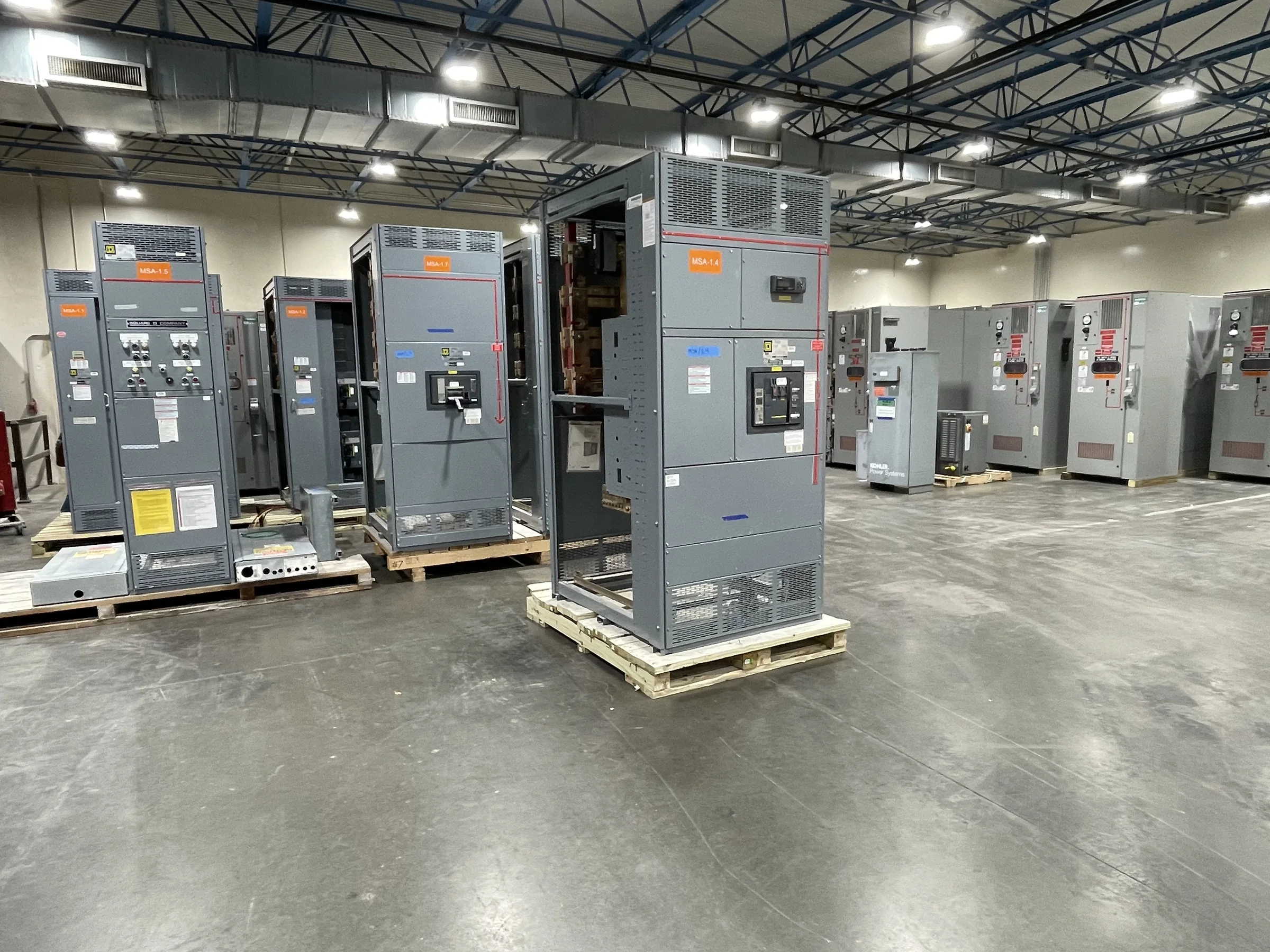
Define the Service Entrance Around the Utility Interface
A service-entrance switchboard has to match the electrical service it will receive, not just the building’s estimated load. Start with the utility’s available service voltage, phase, frequency, service configuration, and connection requirements, then confirm the project’s calculated demand and expected future loads. Those details inform the main device, bus arrangement, metering provisions, and interrupting requirements; a mismatch can delay utility review or force costly changes before installation. In Pearland, coordinate early with the serving utility and the project electrical engineer because service arrangements and approval steps can vary by site. Provide the manufacturer with the one-line diagram, utility notes, load information, and any issued specifications. Final equipment details remain subject to engineering review and project-specific compatibility.
Resolve Protection, Metering, and Switchboard Configuration
The main overcurrent device, feeder protection, and metering arrangement should be selected as a coordinated system. Engineers need to verify available fault current, required interrupting ratings, protective-device coordination, grounding and bonding, and the utility’s metering requirements before the switchboard configuration is released. Where selective coordination or arc-energy reduction is specified, identify the applicable project criteria and device functions; assumptions can create conflicts with downstream equipment or the intended operating sequence. Clarify whether the design calls for service disconnects, distribution sections, spare capacity, or provisions for future feeders. A U.S. manufacturer can build to a project-specific specification, but the engineer of record and utility must confirm the design basis. Applicable listings and standards depend on the equipment type and its evaluated configuration.


Plan the Equipment Room and Installation Route
A switchboard that fits the electrical room can still be difficult to install if the route to that room is overlooked. Confirm door and corridor clearances, turning space, floor loading, housekeeping-pad dimensions, overhead obstructions, and the planned location of conduits before approving drawings. Check the equipment’s shipping dimensions and section arrangement against the route, elevator limits if relevant, and available staging space. Pearland projects may need delivery coordinated around active construction, site access controls, weather exposure, and limited laydown areas; an agreed receiving plan helps protect equipment and keeps crews from waiting on a blocked route. Review required working space and access against the applicable design documents and codes. The project team should verify final dimensions and site conditions before release and shipment.
Build a Submittal Package That Supports Review
A useful submittal package gives the engineer and purchasing team enough detail to check the equipment before fabrication. Common review items include outline and elevation drawings, a one-line diagram, bus and device schedules, connection details, grounding information, metering provisions, and identified ratings. Include the project specification, utility requirements, and any approved deviations so reviewers can see where the proposed configuration differs from the basis of design. Confirm who will review and return comments, and make clear which drawing revision governs procurement. Missing fault-current data, unclear feeder designations, or unresolved utility notes can hold up approval and disrupt the construction sequence. Treat the approved submittal as a project record, not a substitute for field verification; installers still need current drawings and confirmed site dimensions.
Set Timing by Working Backward From the Need Date
A realistic schedule starts with the date the switchboard must be installed and the work that must happen before and after delivery. Map utility decisions, engineering calculations, submittal review, drawing approval, manufacturing, freight, receiving, and installation into the project schedule. Short lead times may be available for some custom builds, but timing depends on the selected configuration, component availability, approval cycle, and scope; obtain a project-specific schedule rather than assuming a standard duration. Identify decision deadlines for metering, protective devices, finish, cable entry, and optional provisions. Late changes can affect drawings, fabrication, and shipment, so assign an owner for each open item. Confirm the delivery window and receiving contact before release, then coordinate shipment updates with the general contractor and electrical installer.
Coordinate Delivery, Startup, and Replacement Work
Before shipment to Pearland, agree on the delivery address, site access instructions, unloading equipment, receiving hours, and where the switchboard can be stored in a dry, secure area. Inspect packaging and equipment condition at receipt, document any visible damage, and compare shipped sections and identification to the approved drawings. For replacement work, verify existing service characteristics, available space, cable locations, connection details, and shutdown constraints before ordering; a new lineup may require changes to feeders or room layout. Plan required outages and have qualified personnel perform electrical work under the project’s safety procedures. Energization should follow completion of installation checks and required testing by responsible qualified parties. Coordinate final documentation, device settings, and utility approval as applicable; commissioning and acceptance requirements are specific to the project.