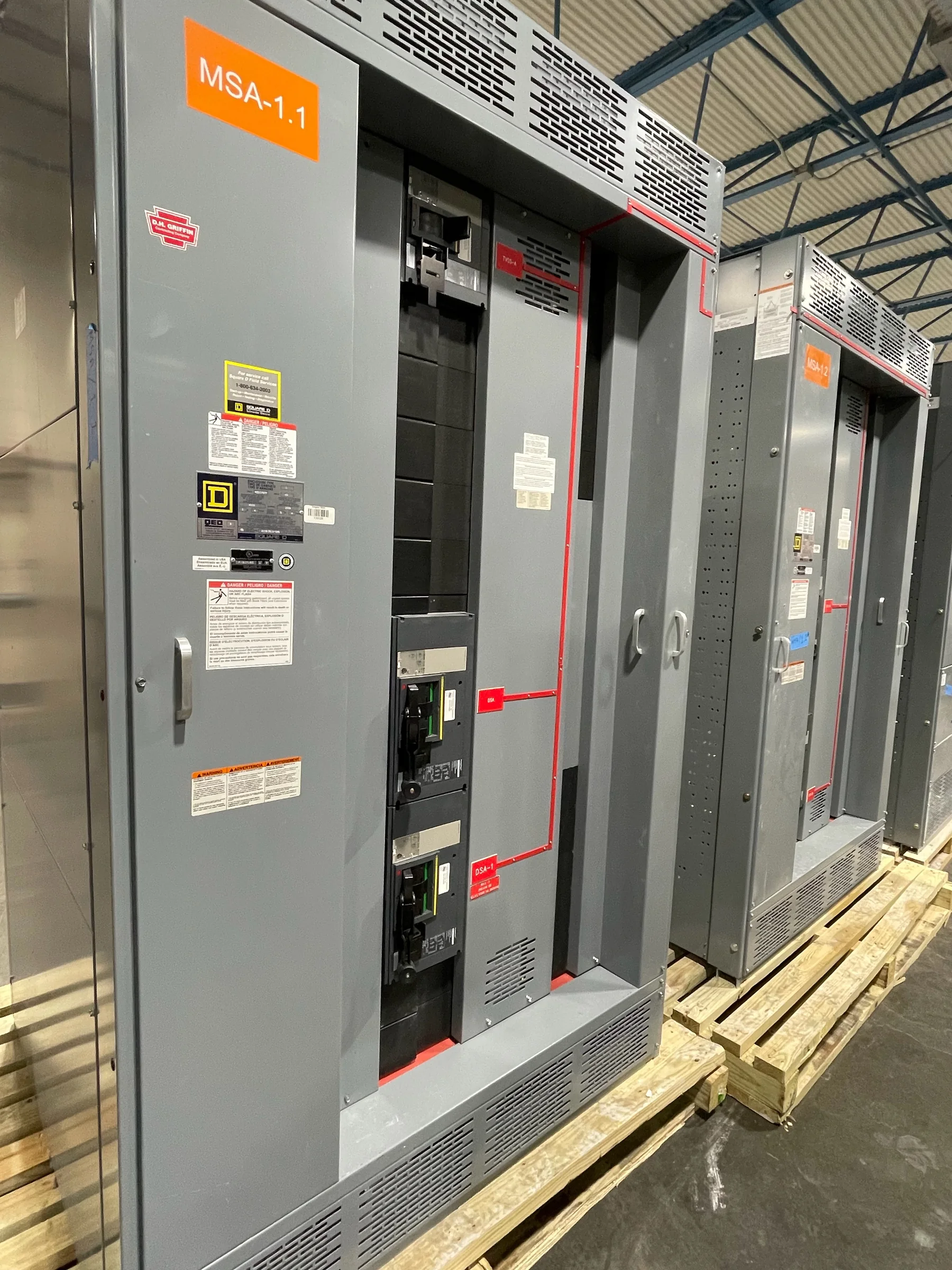
Fabrication Starts With the Electrical Design
Switchgear busbar fabrication begins with the electrical and mechanical requirements of the complete assembly—not simply a requested bar size. Share the one-line diagram, equipment arrangement, system voltage, service conditions, and available fault-current information so the design team can evaluate how the bus connects to breakers, transformers, incoming conductors, and other sections. Current-carrying capacity depends on the assembly’s design and operating conditions, while short-circuit forces can affect supports, clearances, and joint construction. Treating these factors together matters because a bar that fits the enclosure may still be unsuitable for its intended electrical duty. Requirements, applicable standards, and the final design should be reviewed for the specific project before fabrication is authorized.
Material, Plating, and Joint Details Affect Performance
Specify the intended conductor material and any plating or finish requirements rather than assuming all busbars use the same construction. Copper and aluminum differ in conductivity, weight, connection details, and how their surfaces are prepared; the appropriate choice depends on the equipment design and project requirements. Joint geometry, contact surfaces, fasteners, and access for assembly also deserve attention. Inadequate definition can lead to mismatched interfaces, difficult installation, or connection details that require resolution after parts are made. Ask how the proposed bus interfaces with device terminals and field conductors, and identify any project-specific environmental or maintenance concerns. Final material selection and connection methods should be confirmed against the evaluated assembly design, not chosen from a material preference alone.


Confirm Interfaces Before Replacing or Extending Equipment
Replacement and retrofit work often turns on dimensions that are missing from an old drawing. Before requesting a quote, collect enclosure measurements, bus locations, phase arrangement, connection elevations, termination details, and clear photographs where permitted. Record equipment nameplate information and identify the existing switchgear manufacturer and model when known; these details help establish what can be matched and what needs engineering review. A small mismatch in bus position can prevent a connection from lining up, while an incorrect phase arrangement can create a serious installation problem. Existing equipment should be safely de-energized and verified before anyone gathers measurements or inspects internal parts. Compatibility is project-specific, so provide verified field information and allow time to resolve discrepancies before fabrication.
Submittals Turn Requirements Into Reviewable Details
A useful procurement package gives engineering and purchasing teams a common basis for review. Include the scope of supply, one-line diagram, equipment schedule, interface dimensions, conductor requirements, applicable project standards, and requested submittals. Ask for drawings that show bus routing, joints, supports, phase identification, and connection points in enough detail for coordination with adjacent equipment and field conductors. Clarify who reviews and approves drawings, how revisions are tracked, and which documents are required for turnover. These steps matter because a change made after approval may affect connected sections, installation planning, or procurement. Do not treat a preliminary drawing as authorization to build; confirm the approved design, open technical questions, and required documentation before release to fabrication.
Plan Timing Around Approvals, Materials, and Site Readiness
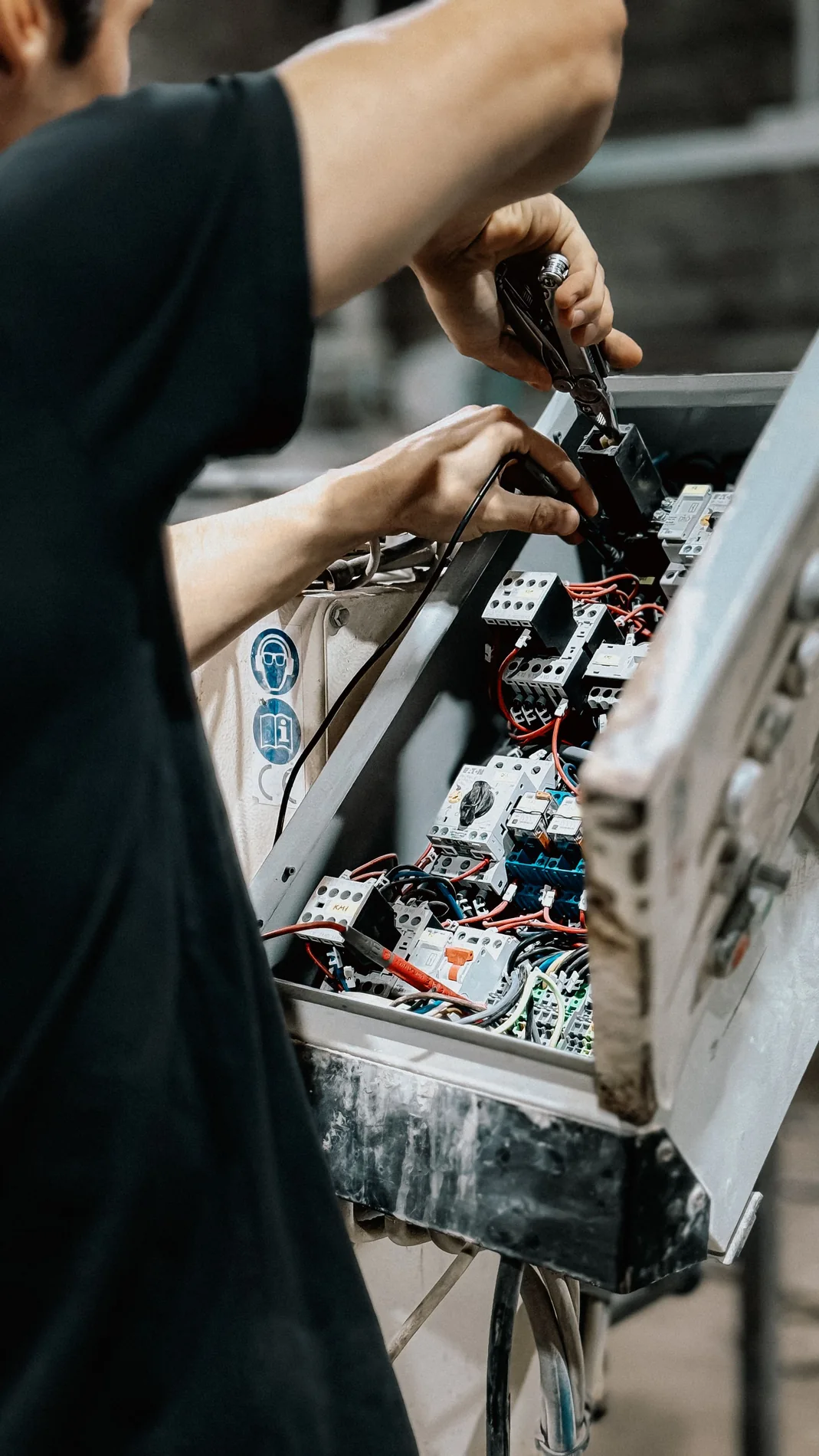
A requested ship date is only useful when the project team understands what must happen before it. Discuss drawing review, design changes, material selection, production scheduling, inspection needs, and any required coordination with other equipment suppliers. The manufacturer offers short lead times, but timing remains dependent on the project’s scope, approvals, material availability, and current production conditions; obtain a project-specific schedule rather than relying on a general estimate. On site, confirm when the equipment room will be accessible, whether foundations and cable routes are ready, and how receiving will be handled. Resolving these dependencies early can reduce storage, rescheduling, and the risk that delivered sections arrive before crews can safely install them.
Coordinate Delivery, Handling, and Final Documentation
Nationwide shipping makes delivery planning part of the equipment discussion, not an afterthought. Provide the destination, receiving hours, unloading arrangements, access restrictions, and any limits on truck or lifting access when requesting a quote. Confirm the shipment configuration and handling instructions with the manufacturer, especially where bus sections or switchgear lineups must enter through constrained doors or move through occupied facilities. Poor access planning can leave equipment at the dock or require unplanned handling that risks damage. Before shipment, align the packing list and turnover requirements with the site team; after receipt, check the shipment against its documents and report discrepancies promptly. Coordinate installation and testing with qualified personnel, following the approved project documents and applicable safety procedures.