Turn the Project Scope into a Design Basis
A useful switchgear submittal starts with the conditions the equipment must serve, not with a catalog description. Confirm the system voltage, phase, frequency, available fault current, grounding method, and whether the assembly is intended for service entrance or downstream distribution. These inputs affect equipment selection, protective-device coordination, bus design, and the information reviewers need to verify the proposed arrangement. Identify the source and downstream loads, including motors, generators, utility ties, or other operating modes that may change fault duty or operating sequence. Where studies or utility data are still pending, mark assumptions plainly instead of treating them as final values. A documented design basis gives the engineer, manufacturer, and purchasing team a shared point of reference and makes later revisions easier to assess.
Resolve Specifications Before Releasing Equipment
Specifications often combine project requirements, standard details, and language carried over from earlier designs. Compare them line by line with the one-line diagram, equipment schedules, control narratives, and applicable project standards. Clarify enclosure requirements, bus material, incoming and outgoing arrangements, metering, protective devices, communications, and any required provisions for future circuits. For low-voltage switchboard assemblies, UL 891 may be relevant when the equipment is appropriately evaluated for that standard; it should not be read as a blanket certification for medium- or high-voltage gear. Flag conflicting or missing requirements in a formal question or exception list before approval. This prevents a quoted configuration from being mistaken for an accepted deviation and helps the design team resolve technical and commercial impacts while changes remain manageable.


Review Protection, Controls, and Interfaces
The switchgear’s electrical function depends on how its protective devices and control interfaces fit the wider system. Provide the latest available short-circuit, coordination, and arc-flash study information, along with the intended trip settings or the party responsible for establishing them. Confirm control power, shunt-trip or close functions where applicable, interlocks, metering signals, and communication protocols against the project documents. A mismatch between specified relays and the controls or network can leave commissioning teams without expected indications or remote functions. Identify which signals are furnished by the switchgear and which require field wiring or external equipment. These boundaries belong in the submittal because they affect device selection, terminal arrangements, wiring diagrams, and coordination among the electrical contractor, engineer, and controls integrator.
Use Drawings to Check Fit and Service Access
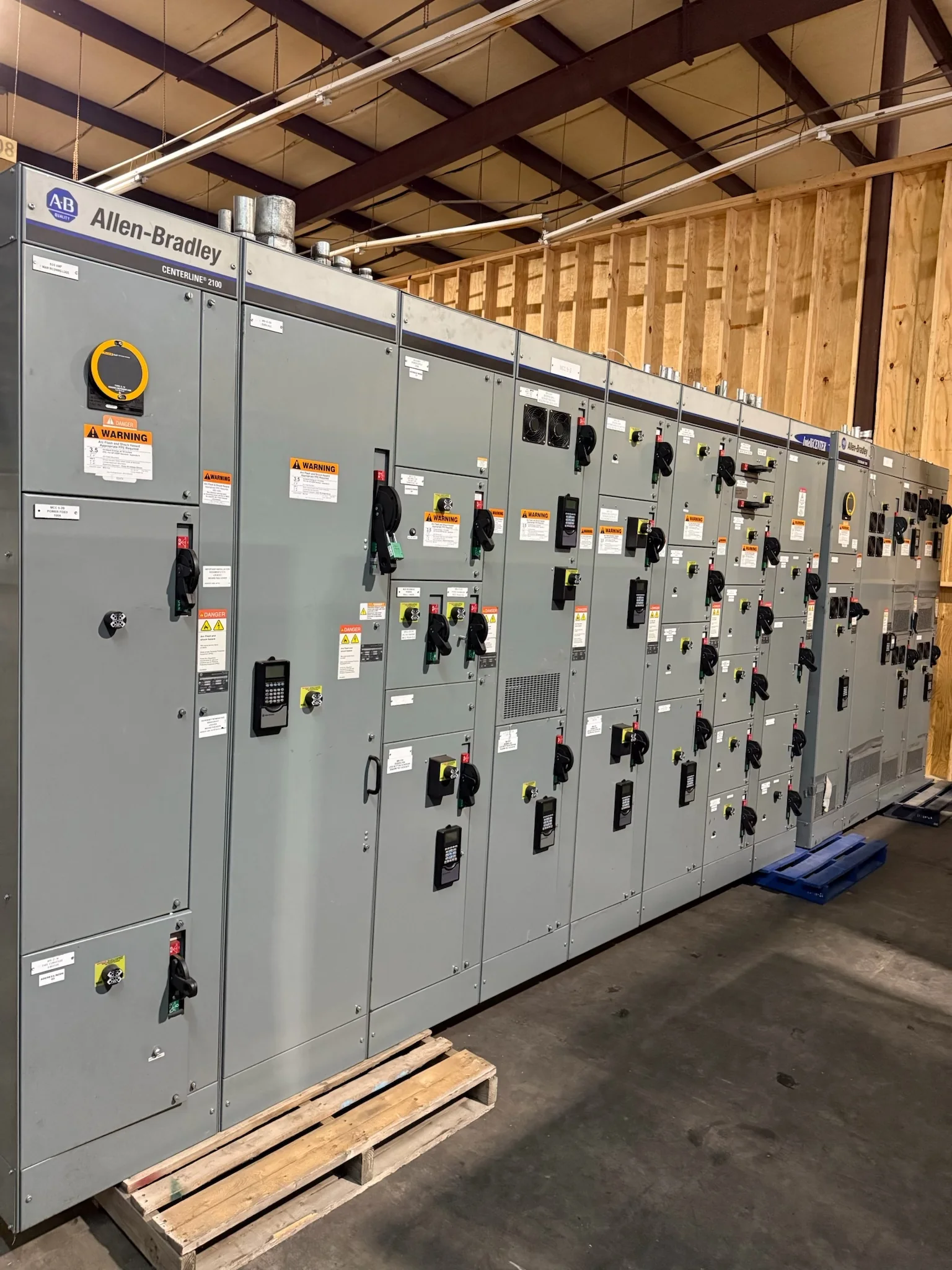
A layout drawing is a practical site-planning document, not just a visual confirmation of the lineup. Review overall dimensions, section sequence, working clearances, door swing, cable entry and exit, conduit zones, and the route from the receiving point to the electrical room. Check that the proposed arrangement fits housekeeping pads, trenches, structural openings, and adjacent equipment without blocking required access. Cable bending space and termination orientation can be especially important when feeders arrive from below or when conductors are large; verify them against the actual installation design rather than assuming they will fit. Include room constraints and available building openings with the inquiry. Resolving these conditions before release reduces field alterations, handling risks, and delays caused by an assembly that cannot be positioned or connected as planned.

Make Submittal Review Useful for Procurement
A complete submittal lets reviewers confirm what is included, what remains by others, and what needs approval before manufacturing proceeds. Depending on project scope, the package may include a bill of material, equipment arrangement, elementary and connection diagrams, device data, nameplate information, terminal schedules, and clearly identified exceptions. Match equipment tags and circuit designations to the project drawings so procurement and installation teams can trace each item without guesswork. Record review comments in a controlled revision and distinguish corrections from changes to the approved design. Purchasing should also confirm quotation scope, required approvals, requested ship date, receiving conditions, and any documentation needed for closeout. Clear review responsibilities and prompt consolidated comments help protect the project schedule without implying that a particular lead time is guaranteed.
Plan Manufacturing Release, Delivery, and Receiving
Once technical details are aligned, document the approved configuration and the information required to authorize production. A U.S. manufacturer can discuss custom builds, American components, short lead times, and nationwide shipping, but timing and availability depend on the specific design, components, approvals, and order conditions. Confirm the requested delivery window directly rather than treating an estimate as a commitment. Before shipment, coordinate the site contact, delivery appointment, unloading equipment, access route, staging area, and storage conditions. Switchgear may be difficult to move through restricted doors, tight turns, or unfinished construction, so verify the path and receiving plan early. Identify who will inspect the shipment, report transit damage, preserve supplied documentation, and arrange installation. These checks connect the approved submittal to a realistic, controlled handoff at the project site.