Match the Equipment to the Distribution System
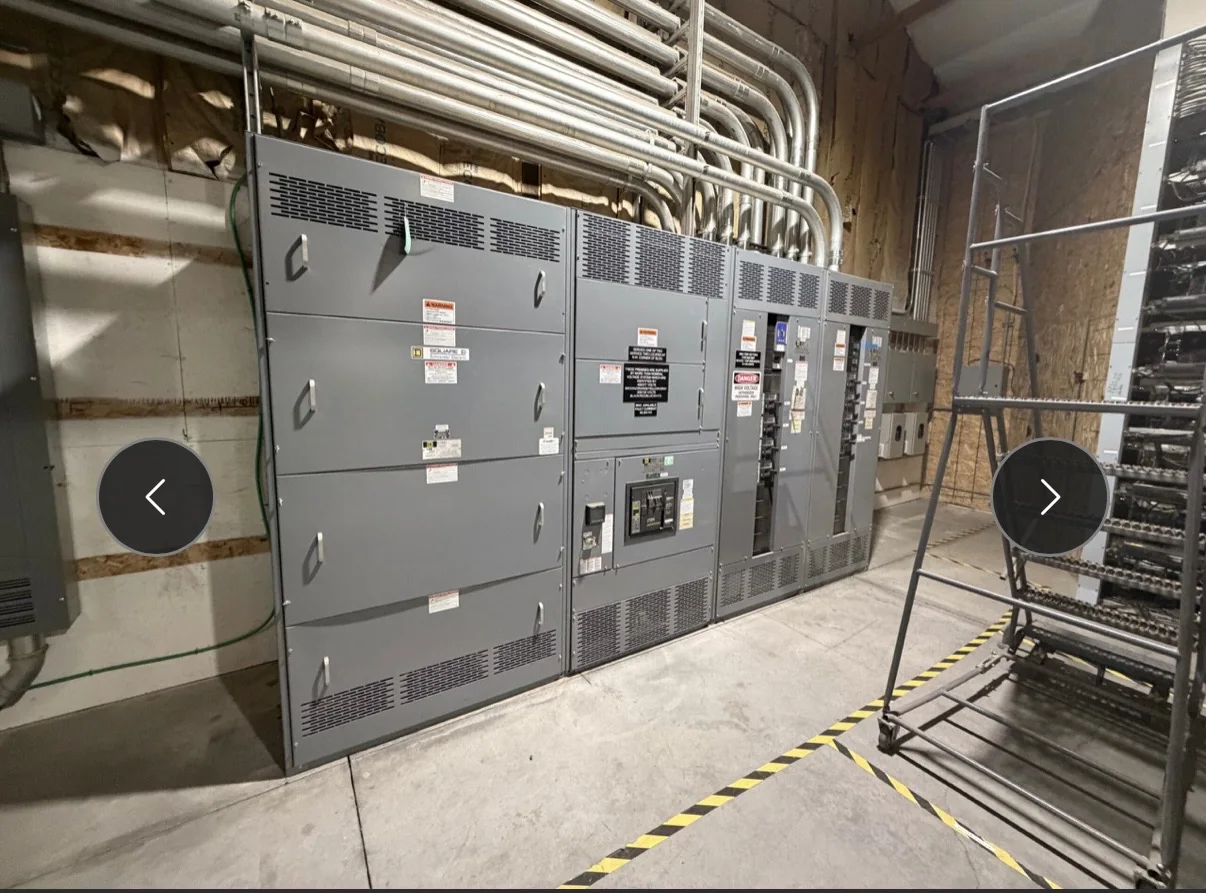
A switchgear equipment distributor should be able to discuss how the proposed equipment fits the electrical system, not just identify a product category. Before requesting pricing, gather the one-line diagram, system voltage, available fault-current information, grounding arrangement, and the intended service or feeder configuration. These details help engineers evaluate interrupting ratings, bus arrangements, protective devices, and interfaces with upstream and downstream equipment. A mismatch can delay approval or require costly changes after procurement. Identify whether the project calls for low-voltage switchboards, medium-voltage switchgear, or a combination; the terms are not interchangeable, and their applicable standards differ. The manufacturer can review the requirements and develop a new equipment proposal, while final ratings, compatibility, evaluation, and labeling remain specific to the design and project.
Turn Drawings and Operating Needs into a Clear Scope
A complete request for quotation describes what the equipment must do and what it must connect to. Include current drawings, load schedules, protection or coordination criteria, metering needs, control schematics, and any specified standards or owner requirements. Note whether the lineup must interface with existing transformers, generators, transfer equipment, or building automation, and identify which party supplies connecting conductors and accessories. Ambiguous boundaries can leave gaps between packages, such as a control circuit shown on one drawing but omitted from the purchase scope. Mark drawings with known changes and distinguish confirmed requirements from items still under review. A U.S. manufacturer offering custom builds can use that information to clarify configuration and exceptions before fabrication; engineering review should resolve open questions rather than assume that a catalog description covers them.


Evaluate Lead Time Without Treating It as a Promise
Project schedules should account for design review, drawing approval, component availability, manufacturing, inspection, shipping, and site readiness. Ask which milestones are included in the quoted schedule, what information is needed to release the design, and how revisions affect the plan. A short stated lead time is not useful if submittal approval, long-lead components, or a delayed decision holds the order. Confirm whether the proposal assumes a complete, approved package and whether substitutions require engineering acceptance. If construction sequencing depends on partial delivery, ask whether the equipment can be divided into practical shipment phases and what interfaces that creates. Timing and availability are project-specific, so obtain current confirmation from the manufacturer and coordinate schedule commitments with the project team before relying on them in a critical-path plan.
Plan the Installation Around the Actual Site
Physical access can determine whether a switchgear lineup reaches its intended room in the planned configuration. Verify door and corridor clearances, turning space, floor loading, lifting points, overhead obstructions, and the route from the truck drop-off to the installation location. Compare those constraints with the proposed shipping dimensions and section arrangement before approving the design. A lineup that fits on a drawing may still be impossible to maneuver through a narrow opening or around existing equipment. Confirm who is responsible for unloading, rigging, temporary storage, and protection from moisture or construction debris. For retrofit work, document the existing footprint, cable entry locations, and outage window; replacement equipment may require modifications even when its function is similar. Final handling and installation plans should be reviewed by qualified project personnel.
Coordinate Shipping, Receiving, and Construction Sequence
Nationwide shipping can serve projects across different regions, but delivery still depends on site access, carrier coordination, and a prepared receiving area. Establish the delivery address, receiving hours, contact person, unloading method, and restrictions on truck size or arrival time before equipment leaves the manufacturer. Determine whether the site can accept the full shipment at once or needs staged deliveries, and confirm how sections will be identified against the approved layout. If equipment arrives before the electrical room is ready, storage conditions and preservation responsibilities should be agreed in advance. A missed delivery appointment or inadequate unloading equipment can disrupt trades and expose equipment to damage. Match the shipping plan to construction sequencing, inspect the shipment on receipt, and promptly document visible damage or discrepancies using the project’s established procedures.
Review Submittals, Ratings, and Acceptance Requirements
Before purchase release, compare the proposal and submittal drawings with the project specifications, one-line diagram, and installation conditions. Check equipment type, nominal voltage, continuous-current and short-circuit requirements, bus configuration, protective-device functions, enclosure details, cable access, and control interfaces against the design basis. Confirm the documents identify deviations clearly; an exception can affect coordination, inspection, or connection to existing gear. UL 891 may apply to appropriately evaluated low-voltage switchboard assemblies, but it is not a blanket certification for medium- or high-voltage equipment, and an offering alone does not establish that every assembly carries a UL label. Ask what evaluation or labeling is specified for the exact assembly. Resolve approval, testing, delivery, and commissioning responsibilities in writing, since acceptance criteria and applicable requirements depend on the project.