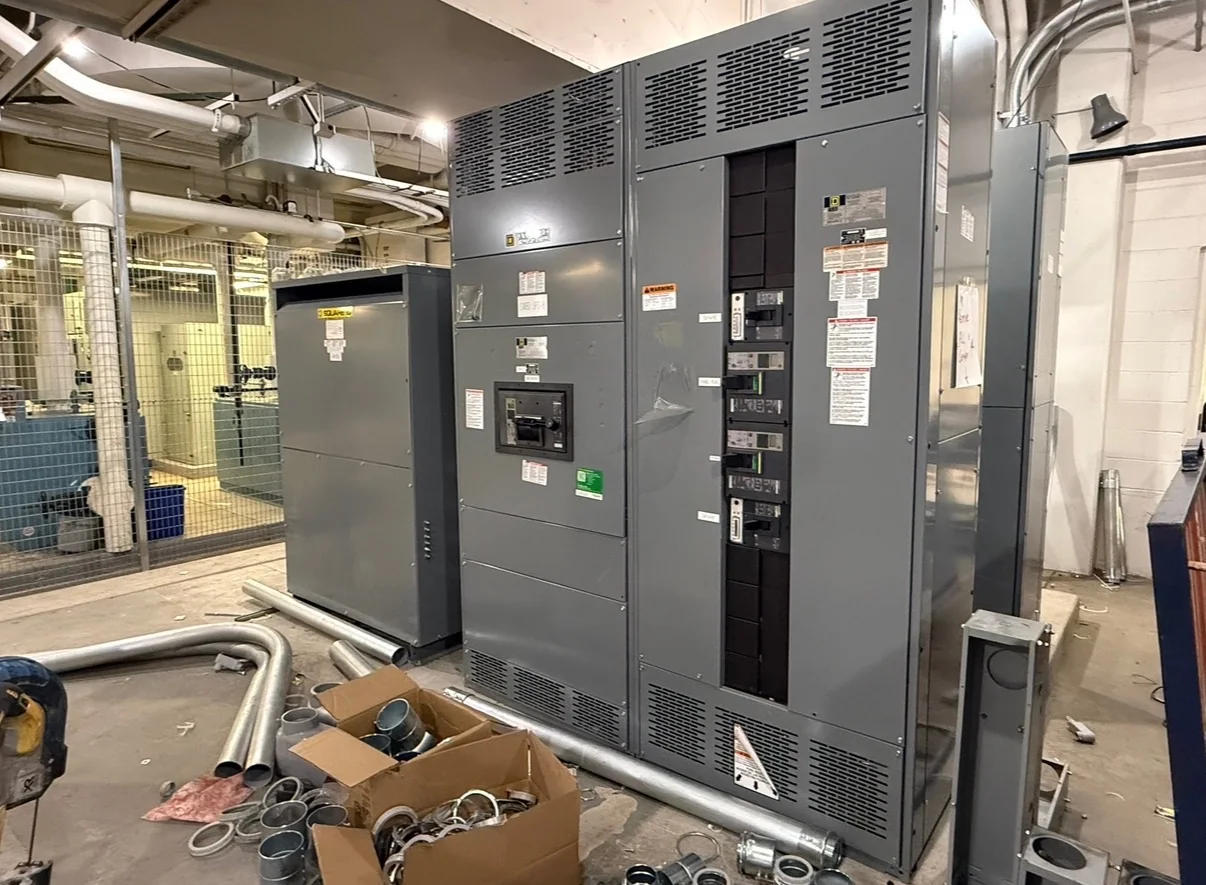
Set Inspection Criteria Before the Build
A useful quality inspection starts with the project documents, not a generic checklist. Before fabrication, the buyer, engineer, and manufacturer should reconcile the one-line diagram, equipment schedule, specifications, approved submittals, and applicable project standards. Confirm which drawings govern if revisions conflict, and identify required witness points, inspection records, and acceptance responsibilities. This matters because a cabinet can be assembled neatly yet still miss a project requirement such as a particular compartment arrangement, accessory, or connection interface. Record open questions and resolve them through the project’s formal review process before they become shop-floor assumptions. Ratings, construction details, standards, and inspection scope depend on the equipment and application; treat each as a documented project requirement, not a default promise.
Verify Components and Assembly Details
During assembly, inspection should confirm that components and construction match the approved design. Check manufacturer and catalog information against the bill of materials, then review bus supports, barriers, wiring, grounding provisions, mechanical fasteners, labels, and specified accessories for correct placement and workmanship. For low-voltage switchboard assemblies, determine whether UL 891 evaluation or labeling is required and applicable to the exact assembly; it is not a blanket designation for medium- or high-voltage equipment. Component substitutions deserve particular attention: a part that appears similar may differ in ratings, dimensions, terminal arrangements, or coordination with the rest of the system. Document deviations and obtain the required engineering or customer approval before acceptance. The project documents and evaluation scope determine what can be verified.
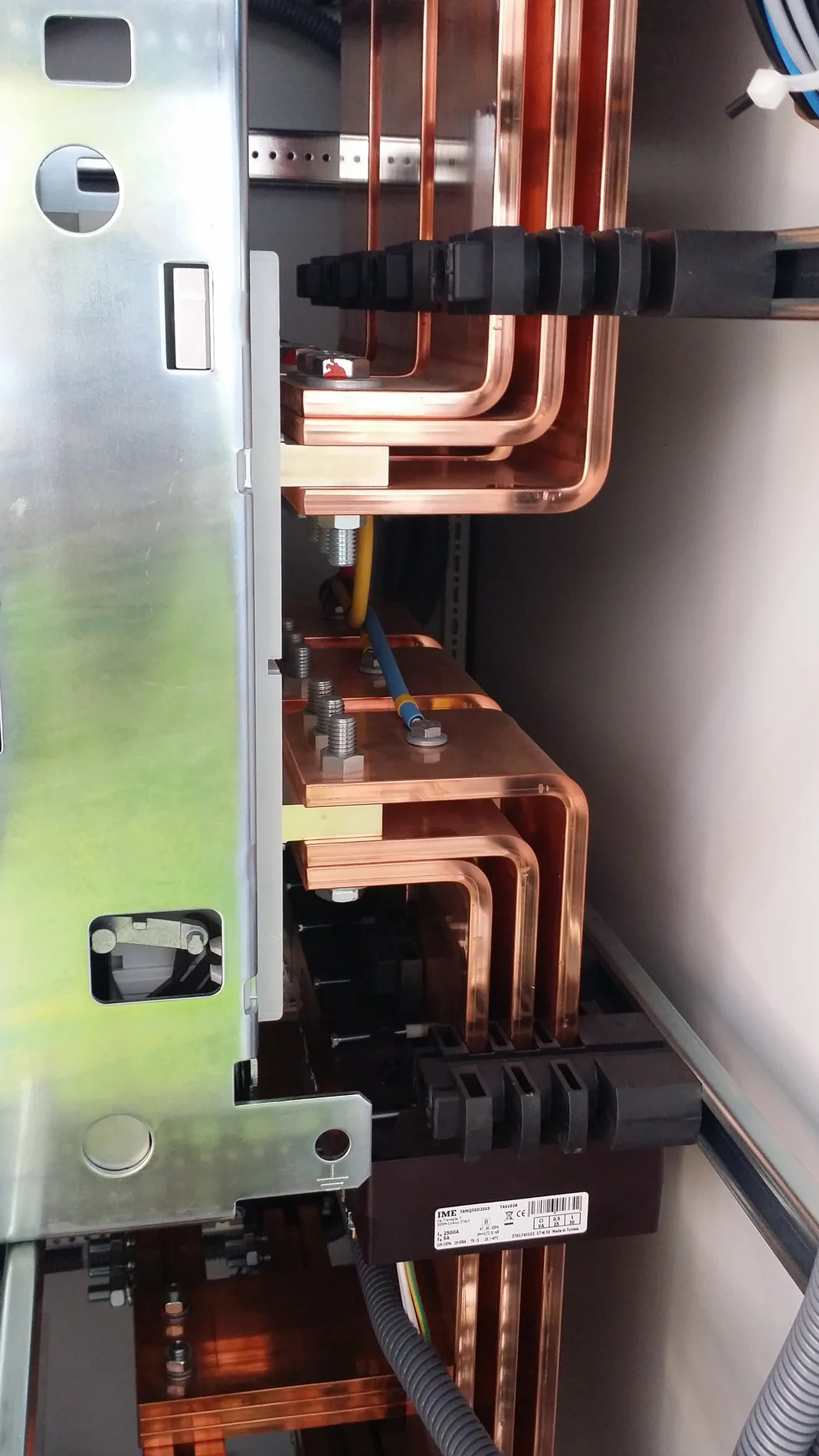

Review Ratings, Interfaces, and Protection
Quality review must connect nameplate and device details to the electrical study and system design. Compare voltage, frequency, current ratings, interrupting or withstand requirements, protective-device selections, and control features with the approved submittals, where those items apply. Then check practical interfaces: incoming and outgoing conductor provisions, cable entry direction, termination space, neutral and grounding arrangements, and connection points for controls or communications. A mismatch can delay installation or undermine the intended protection scheme even when the equipment itself is competently built. Inspection does not replace short-circuit, coordination, or arc-flash engineering; it checks that the supplied configuration aligns with the accepted design basis. Resolve inconsistencies through the responsible engineer, and keep approved changes traceable in the final equipment records.
Plan Factory Acceptance and Records
Agree on factory inspection scope while there is still time to schedule reviewers and close findings. Depending on the contract and equipment, the plan may cover visual and mechanical checks, wiring verification, nameplate review, and specified routine or functional tests. State which tests are required, who may witness them, what constitutes acceptance, and how results and corrective actions will be recorded. Not every test applies to every assembly, and inspection or testing should not be represented as a certification unless the applicable evaluation supports that claim. A signed checklist, test record, approved drawing set, and deviation log give procurement and commissioning teams a usable handoff. If a witness visit is impractical, agree on acceptable documentation and remote review arrangements before the inspection date.
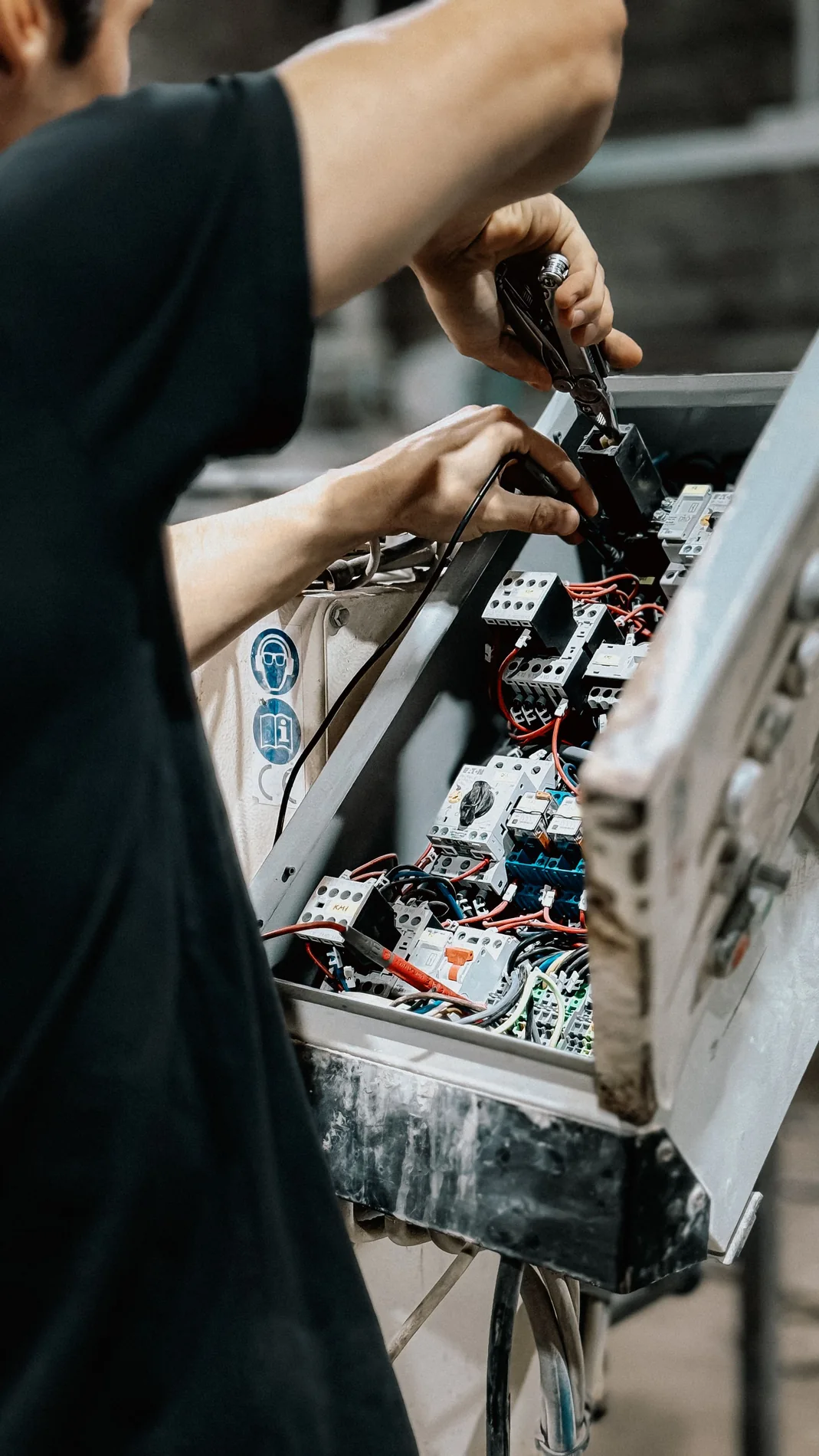
Coordinate Delivery With Site Readiness
Inspection findings are only one part of successful delivery; the receiving route and installation sequence also need review. Confirm shipment access, unloading responsibility, equipment dimensions and weights from approved documents, staging space, indoor storage conditions, and the intended path to the electrical room. Tight corridors, limited crane access, restricted delivery windows, or incomplete foundations can turn a conforming shipment into a costly schedule problem. Coordinate delivery timing against site readiness rather than relying on an assumed lead time, and confirm packaging, shipment configuration, and receiving checks with the manufacturer for the project. Nationwide shipping may be available, but route, carrier, handling, and schedule are project-specific. Record visible transit damage promptly and preserve packaging and documentation for the agreed claims process.
Close Findings Before Installation
Before the equipment is released for installation, close inspection findings with evidence rather than informal assurances. Match the delivered lineup and identification to the approved drawings, review resolved punch-list items, and collect applicable test reports, operation and maintenance information, wiring diagrams, and final revisions. Verify that any approved change has been reflected in the records and communicated to the installing contractor and commissioning team. This reduces the risk of field crews discovering a missing accessory, unclear terminal designation, or unapproved configuration after the gear is positioned. Receipt inspection does not authorize energization: installation, testing, and commissioning must follow the project’s approved procedures, qualified personnel requirements, and applicable safety rules, with equipment de-energized for work as required. Document remaining exceptions, assigned owners, and closure dates.