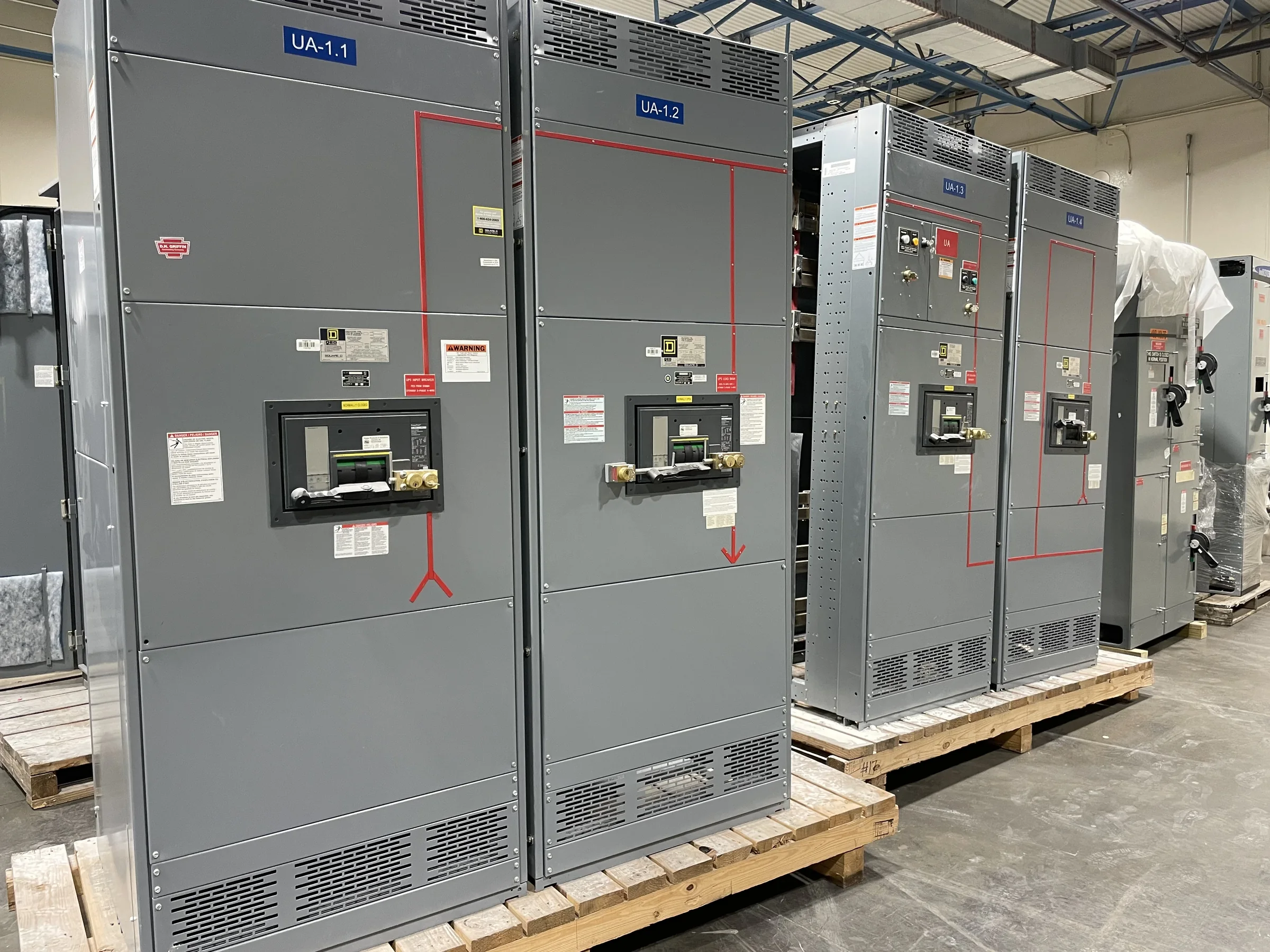
What information should I provide when requesting a switchgear quote?
Start with the equipment’s role in the distribution system and the project’s design documents, rather than relying on a product name alone. Useful information may include the one-line diagram, available fault-current data, system voltage and frequency, number of sources, feeder and load details, and the required arrangement of sections. Note whether the scope is new construction, a capacity change, or replacement of existing equipment; those situations can impose different connection and outage constraints. Include the installation location, indoor or outdoor conditions, service access, and any specified standards or labeling requirements. If some information is preliminary, identify assumptions and open decisions clearly. That lets the manufacturer flag questions early, align the quote with the intended scope, and avoid treating an unverified rating or feature as settled.
How do I confirm the switchgear will fit the electrical system?
Compatibility depends on more than matching the nominal system voltage. The engineer of record should review the equipment ratings and configuration against the one-line diagram, protective-device coordination, available fault current, grounding method, source arrangement, and connected loads. Physical interfaces also matter: cable entry, conductor material and size, lug or termination requirements, bus connections, and the relationship to upstream and downstream equipment can affect the design. For replacement projects, record the existing manufacturer and model, nameplate data, enclosure dimensions, connection points, and clearances, but do not assume a new assembly will be a direct drop-in. Differences in footprint or termination locations can require engineering or field modifications. Confirm all ratings, interfaces, and application requirements for the specific project before releasing equipment for manufacture.


What affects switchgear lead time and delivery timing?
Timing is shaped by the approved design, component selection, engineering questions, and the completeness of project information—not simply by the date a quote is requested. Custom configurations and project-specific components may affect the schedule, and changes after drawing approval can require renewed review. Ask for the current schedule and clarify which milestones it covers, such as submittal review, approval, production, and shipment. Treat any stated timing as project-specific, not a guarantee, until scope and availability are confirmed. Delivery planning should also account for receiving hours, site access, unloading equipment, storage conditions, and the sequence of other trades. If a shutdown or construction milestone depends on arrival, coordinate the delivery window with the project team and establish contingency plans before relying on a target date.
Which documents should be reviewed before approving a build?
A thorough submittal review checks whether the proposed assembly matches the project design and procurement requirements, not just whether the drawings look familiar. Review the equipment schedule, one-line diagram, general arrangement, section layout, elevations, connection details, and applicable component or device information. Verify that the documented ratings and features match the approved design, and identify any exceptions, substitutions, or assumptions for resolution. For a low-voltage switchboard, UL 891 may be relevant when the assembly is appropriately evaluated for that standard; it should not be treated as a blanket certification for medium- or high-voltage equipment. Confirm the exact labeling and documentation required for the project. Record comments in a consolidated review so revisions are traceable and manufacturing does not proceed on conflicting or incomplete direction.
What site conditions matter for installation and replacement?
The installation area can determine whether an otherwise suitable assembly can be moved, connected, and maintained safely. Confirm room dimensions, door and corridor clearances, floor capacity, equipment access route, lifting constraints, working space, ventilation, ambient conditions, and exposure to moisture, dust, or corrosive agents. Compare the planned lineup and cable-entry arrangement with actual field conditions; older rooms and evolving construction layouts may not match record drawings. For a replacement, document existing conduit and bus interfaces, anchorage, and the planned outage sequence. Installation, testing, and connections should be performed by qualified personnel under the project’s approved safety procedures, with equipment de-energized as required. Resolving access and environmental questions before shipment helps limit field changes, avoid blocked maintenance access, and coordinate installation with other construction work.
How should delivery and project coordination be planned?
Nationwide shipment does not remove the need to plan the final handoff at the site. Before dispatch, confirm the delivery address, receiving contact, site hours, truck access, unloading responsibility, required lifting equipment, and whether the assembly can be received as shipped or must be handled in sections. Coordinate packaging, storage, and inspection procedures with the project team, and document visible shipping damage or shortages promptly according to the applicable shipping process. Protect equipment from weather, contamination, and unauthorized access while it awaits installation; storage conditions should follow the manufacturer’s project documentation. Keep the approved drawings, equipment identification, shipping records, and open-issue log available to the installer and commissioning team. Clear responsibilities and a realistic receiving plan reduce avoidable delays and help preserve traceability from shipment through installation.