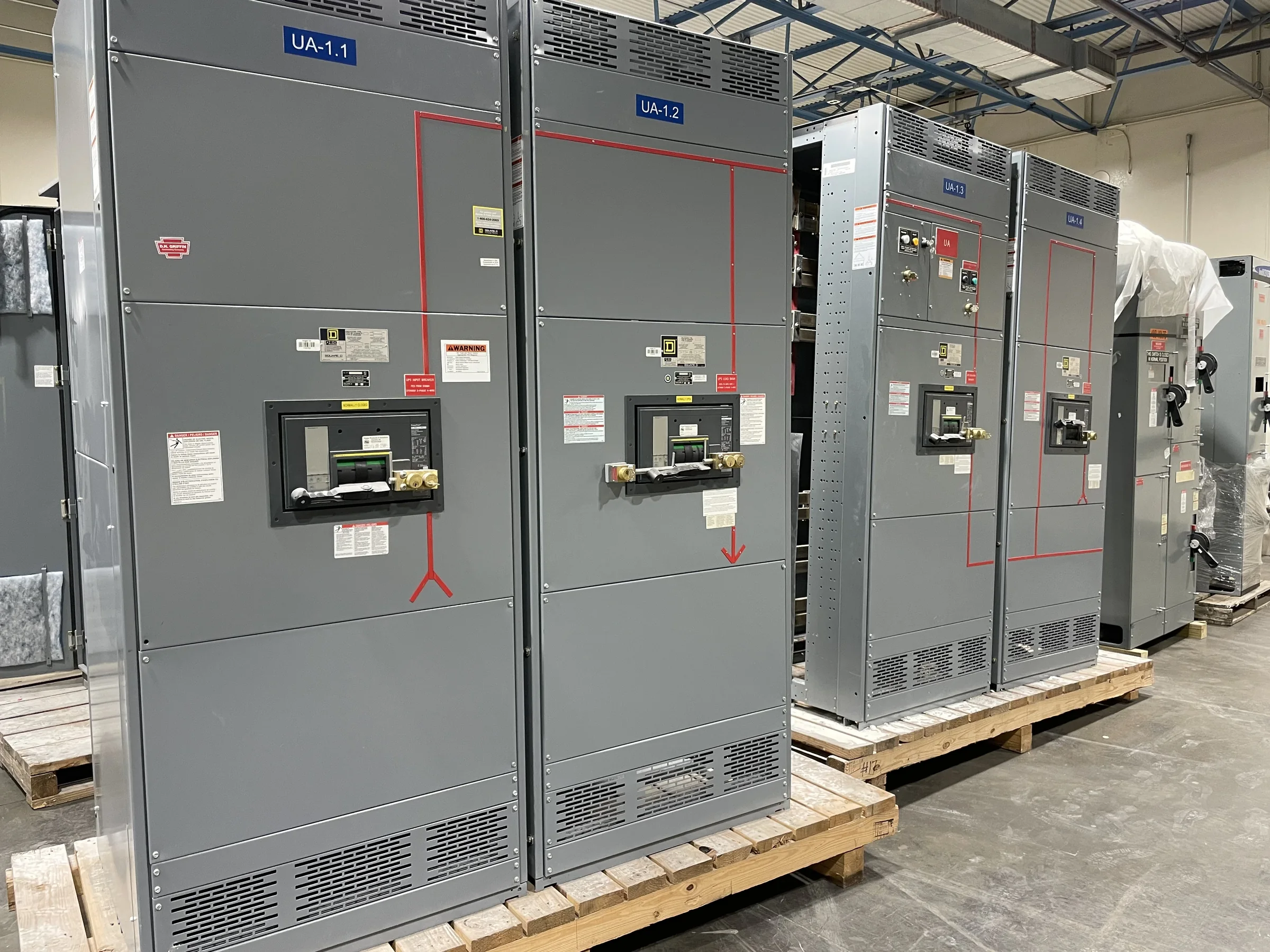
Define the Modernization Scope Before Selecting Equipment
In Texas City, a switchgear modernization may involve replacing an assembly, changing its function, or coordinating new distribution equipment with existing gear that must remain in service. Start by documenting the present lineup, one-line diagram, system voltage, available fault-current information, connected loads, and any planned capacity changes. Those details help the engineering team determine what the replacement must accomplish and which interfaces need attention. A new assembly is not automatically a drop-in match: bus arrangement, cable entry, protective-device requirements, metering, controls, and physical dimensions can affect the design. Identify whether the project is a full replacement or a defined retrofit interface, and clarify what equipment is in scope. Confirmed field information reduces redesign and helps procurement compare proposals on a consistent basis.
Resolve Ratings, Protection, and Compatibility Early
The required voltage class, continuous-current rating, interrupting capability, and protection scheme depend on the actual power system and its study inputs; they should not be inferred from the existing nameplate alone. Ask the responsible engineer to establish the applicable design criteria, including grounding, coordination objectives, available fault current, and any utility or facility requirements. Existing breakers, relays, instrument transformers, and control wiring may not transfer directly to new equipment, even when their functions appear similar. Document desired metering, communications, interlocks, and alarm points so the manufacturer can review them against the proposed assembly. If a low-voltage switchboard is being specified, discuss UL 891 evaluation requirements for that assembly. Standards, ratings, component compatibility, and any applicable evaluation are project-specific and require confirmation.


Plan the Changeover Around Facility Operations
A modernization plan needs an agreed outage strategy, not just an equipment delivery date. Texas City facilities may coordinate electrical work with process schedules, contractor access, and other maintenance activities, so identify who controls outage approval and how long the affected loads can be unavailable. Map loads that require continuity, temporary arrangements that may be considered by the facility’s qualified engineering team, and the sequence for removing old equipment and installing the replacement. Never treat energized work as a shortcut; switching, isolation, verification, and work practices must follow the site’s safety program and applicable requirements. Ask bidders to identify assumptions about shutdown windows, testing, commissioning, and owner-furnished work. Clear boundaries help prevent a delivered assembly from waiting on unresolved site decisions.
Check the Room, Interfaces, and Delivery Route
Before release for manufacture, verify the available footprint, working clearances, floor conditions, anchorage needs, access openings, and cable routing against the proposed equipment layout. Existing rooms can impose limits on lineup length, section placement, conduit entry, or the path from the receiving point to the electrical room. In Texas City, coordinate delivery access with the facility’s receiving rules, security procedures, contractor schedule, and any site-specific traffic or weather contingencies. Confirm who unloads and moves the assembly, what lifting provisions are needed, and whether equipment can be staged safely without blocking operations. These checks matter because shipping dimensions and installation access can be as consequential as electrical fit. Have the project team resolve field measurements and handling responsibilities before approving final drawings.
Build a Submittal Package That Supports Review
A useful procurement package gives the manufacturer enough information to prepare a proposal and gives reviewers a clear basis for approval. Include the latest one-line diagram, equipment schedule, existing nameplate data, dimensions, cable-entry preferences, protection and metering requirements, and known site constraints. Request drawings and technical data that show the proposed arrangement, interfaces, major components, and project assumptions. Identify required review milestones, document formats, and the people authorized to approve changes; late decisions about controls or connections can affect both design coordination and schedule. Compare quotations by scope as well as price, checking what is included, excluded, or still subject to confirmation. Ask specifically how revisions are handled and what information is needed before the design can be finalized for production.
Coordinate Manufacturing, Shipment, and Acceptance
Discuss schedule at the outset, but treat timing as dependent on the approved design, component availability, required reviews, and shipping arrangements rather than as a guaranteed interval. A U.S. manufacturer can discuss a custom build using American components, short lead times, and nationwide shipping; confirm the specific configuration and availability for the project. Agree on the destination, receiving contact, delivery appointment process, unloading responsibility, and any packaging or documentation needs. Before shipment, align the approved drawings with the site’s installation plan and confirm what inspection, test documentation, and commissioning support are included or separately arranged. For Texas City projects, make the delivery plan fit site access and outage coordination. Final acceptance criteria, testing responsibilities, and equipment applicability should be written into the project documents and confirmed by the responsible parties.