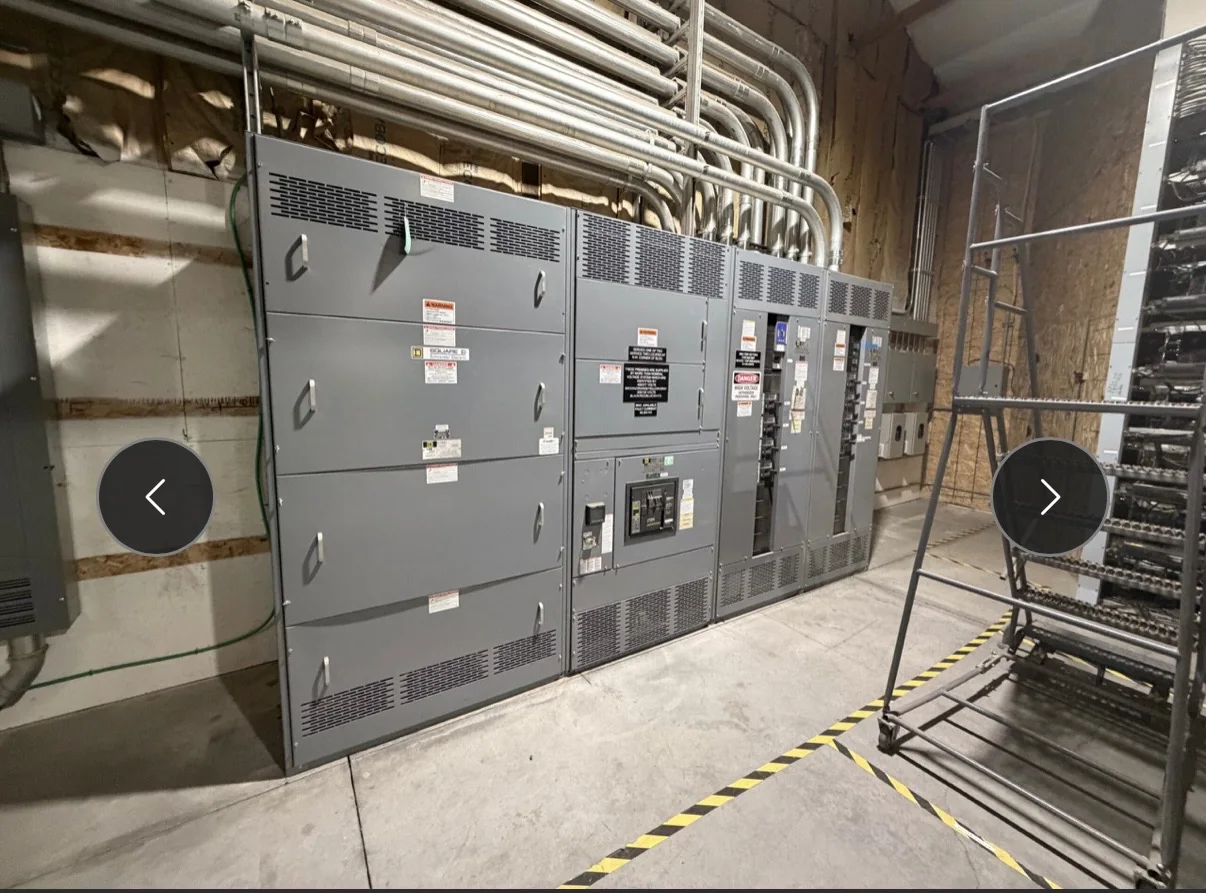
What Information Should a Switchgear RFQ Include?
A useful request for quotation gives the manufacturer enough context to evaluate the equipment, not just its nominal voltage and a requested delivery date. Include the one-line diagram, system voltage, available fault-current information, service and feeder requirements, grounding arrangement, and any applicable project specifications. Identify whether the scope is a new lineup, replacement equipment, or a retrofit that must interface with existing gear. Note required standards, labeling, documentation, and any project-specific evaluation requirements; UL 891 applies to appropriately evaluated low-voltage switchboard assemblies, not automatically to medium- or high-voltage equipment. Clarify who supplies cable, terminations, controls, and installation labor. These details help expose scope gaps early, support an apples-to-apples proposal, and reduce the risk that an assumed interface or omitted accessory disrupts procurement.
How Do Existing Electrical Conditions Shape the Design?
Before selecting an arrangement, confirm how the proposed equipment will connect to the actual distribution system. Existing drawings may not reflect later modifications, so compare the one-line diagram and equipment schedules with field-verified conditions through qualified personnel and established safety procedures. Relevant details can include bus configuration, protective-device coordination, grounding, conductor routing, control wiring, and available space for connections. A replacement lineup that fits the electrical duty but cannot accept existing conductors or communicate with required controls can trigger redesign and added outage planning. Record known discrepancies in the RFQ rather than treating legacy documents as definitive. The manufacturer and project engineer can then identify which interfaces need confirmation, what information remains outstanding, and whether the requested equipment arrangement is compatible with the intended application.


What Should Be Confirmed Before Scheduling an Outage?
The equipment delivery date is only one part of an installation schedule. Owners, engineers, contractors, and the manufacturer should align on design approvals, submittal review, procurement release, site readiness, and the planned outage window. Before committing to a shutdown, establish how loads will be served during the interruption, who authorizes switching, and which parties are responsible for removal, installation, testing, and return to service. The project team must plan de-energized work and apply applicable safety procedures; a schedule is not a reason to treat energized work as optional. Build time into the sequence for resolving field differences and completing required inspections and checks. Because custom-build timing and availability depend on scope and current conditions, request project-specific schedule information and keep contingency plans tied to verified milestones.
Which Site Measurements and Access Details Matter?
A lineup can meet its electrical requirements and still be impractical to install if the room, route, or working space has not been checked. Document equipment-room dimensions, door and corridor clearances, ceiling height, floor transitions, and the path from the receiving point to the final position. Confirm whether the planned route involves stairs, elevators, restricted access, or other handling limits, and coordinate any required rigging with qualified site personnel. Check the proposed footprint against project drawings and applicable working-space requirements; final clearances and installation conditions depend on the equipment and site. Also identify environmental conditions such as dust, moisture, temperature, or corrosive exposure that may affect the specified enclosure or application. Resolving these constraints before release can prevent a delivery that cannot be safely moved or positioned.
What Documentation Helps Coordinate Delivery and Installation?
A delivery plan should connect the equipment configuration to the receiving site and installation sequence. Confirm the shipping destination, receiving hours, unloading capability, site contact, access rules, and any restrictions on vehicle size or delivery timing. For projects with phased construction, coordinate which components can be received and stored, where they will be protected, and when they are needed for installation. Request the project documentation needed for review, which may include approved drawings, equipment schedules, connection details, and applicable handling or storage instructions. Nationwide shipping does not remove the need to verify local receiving arrangements, and a carrier appointment should not be confused with an installation commitment. Clear responsibilities for freight coordination, unloading, inspection, and reporting visible damage help the project team address issues before they affect work.
How Can Teams Reduce Replacement and Commissioning Risk?
Treat commissioning readiness as a design and procurement concern, rather than something to resolve after the switchgear arrives. Agree on the division of responsibility for installation, field verification, protective-device settings, required testing, documentation, and authorization to energize. Confirm that the proposed equipment interfaces with the project’s protection and control scheme, and identify any existing devices or wiring that must be retained, replaced, or validated. The responsible engineer should resolve application-specific requirements and confirm compatibility before equipment release; ratings, standards, and evaluation requirements cannot be assumed from a general product description. Maintain a controlled record of approved drawings and revisions so installers and inspectors work from the same information. A documented handoff supports orderly checks and helps prevent unresolved design changes from becoming schedule pressure at the point of energization.