What Should a Maintenance Plan Cover?
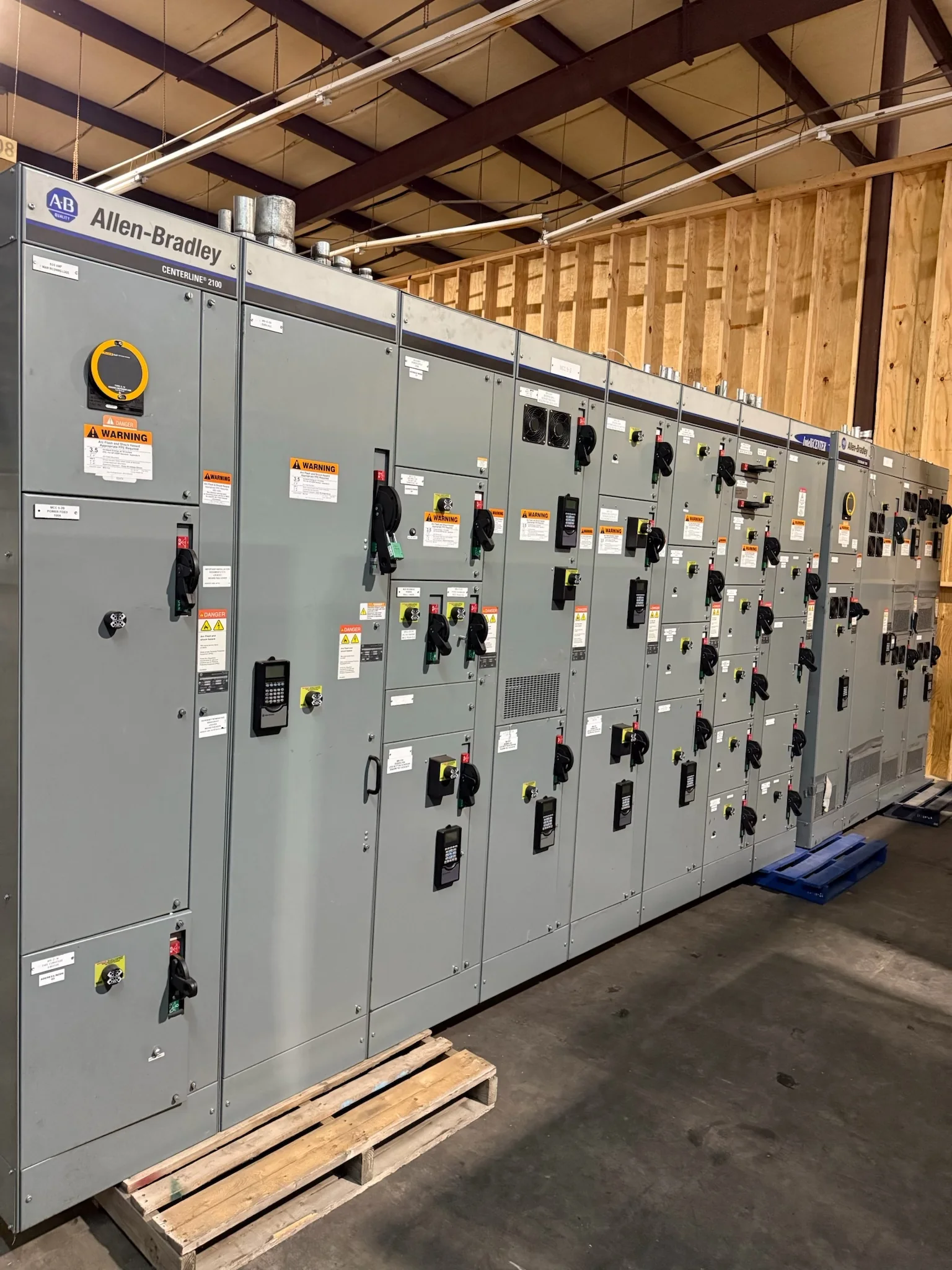
A useful switchgear maintenance plan begins with the equipment’s role in the electrical system, not a calendar copied from another facility. Identify each lineup, its served loads, normal operating conditions, criticality, and the consequences of an outage. Collect the manufacturer’s documentation, nameplate information, available drawings, and records of prior inspections, repairs, trips, and modifications. Those records help an engineer or qualified service provider assess what work is appropriate and what conditions deserve closer attention. Include responsibilities for planning outages, authorizing work, communicating with affected departments, and recording findings. The plan should distinguish routine observation from work requiring an outage and qualified personnel. Because equipment design, condition, and applicable requirements vary, set maintenance scope and intervals with qualified professionals rather than assuming one schedule suits every assembly.
How Do Equipment Type and Application Affect Maintenance?
Maintenance needs depend on what the equipment is designed to do and how it is applied. A low-voltage switchboard, a medium-voltage lineup, and a motor-control or distribution assembly may have different components, operating duties, clearances, and manufacturer instructions. Switching frequency, loading patterns, environmental exposure, protective-device settings, and the importance of connected processes also influence planning. For example, a facility with limited ability to transfer critical loads may need a more detailed outage and contingency plan than a site with alternate feeds. Do not infer that a maintenance procedure or standard applies simply because two pieces of equipment look similar. Confirm the actual model, ratings, configuration, and documentation, then have qualified personnel determine the appropriate inspection and service scope for the specific installation.


How Should Outages and Safe Work Be Coordinated?
A maintenance window is an operational decision as much as an electrical one. Before setting a date, identify affected loads, process shutdown requirements, backup power arrangements, switching responsibilities, and any dependencies on other contractors. The facility’s qualified electrical personnel should establish the required safety controls and verify the equipment is placed in a safe condition before work begins; planning must never treat de-energized work as optional. Confirm who has authority to approve the outage and who will communicate its start, changes, and completion to operators and occupants. If an outage cannot be accommodated, ask an engineer to evaluate legitimate alternatives, such as an approved load transfer or staged project approach. Any proposed method must be assessed for the actual system and equipment, not assumed safe or feasible in advance.
What Records Help Set Scope and Request a Quote?
Good project records reduce avoidable questions during maintenance planning, replacement evaluation, or a new-equipment quote. Gather clear photographs of nameplates and installed conditions, one-line diagrams, available elevation or wiring drawings, breaker and protective-device information, known connection details, and the required system ratings. Note physical dimensions, cable or bus entry, room access, working clearances, environmental concerns, and restrictions on outage timing. Identify what must remain in service and whether the request concerns inspection, repair, replacement, or a new lineup. Missing or outdated documents are common; mark uncertainty instead of treating an old drawing as verified. A U.S. manufacturer can discuss a project’s specifications and potential custom-build options, but final compatibility, standards, ratings, scope, and availability require project-specific review before equipment is specified or ordered.
When Does Maintenance Planning Point to Replacement?
Repeated operational problems, obsolete components, physical damage, changing loads, or a facility expansion may justify evaluating replacement rather than continuing maintenance alone. That does not mean every aging assembly should be replaced: condition, repairability, protection coordination, space, and the consequences of downtime all matter. Ask an engineer to compare the existing equipment’s documented ratings and configuration with present system requirements and the proposed load. For a retrofit, confirm whether the existing enclosure, bus, connections, and surrounding equipment can support the intended change; visual similarity is not proof of compatibility. Replacement planning should also account for permits or reviews that may apply, outage sequencing, removal access, and commissioning responsibilities. Exact standards and acceptance requirements depend on the assembly and project. UL 891 applies to appropriately evaluated low-voltage switchboard assemblies, not universally to all switchgear.
How Do Delivery and Site Constraints Shape the Schedule?
Delivery planning should connect the equipment schedule to real site conditions. Verify the receiving location’s access route, door and corridor clearances, unloading method, staging area, floor or dock limitations, and any restrictions on delivery hours. A large assembly may require coordinated handling and a prepared route; a constrained electrical room can affect how equipment is positioned and whether the planned installation sequence is practical. Confirm who is responsible for receiving, inspecting, storing, and protecting the shipment, and how damage or missing documentation will be reported. Share these constraints early when discussing a custom build and nationwide shipment with a U.S. manufacturer. Short lead times may be available, but timing is project-specific and depends on the approved design, components, production requirements, and logistics. Obtain a current schedule and confirm milestones before committing to an outage.