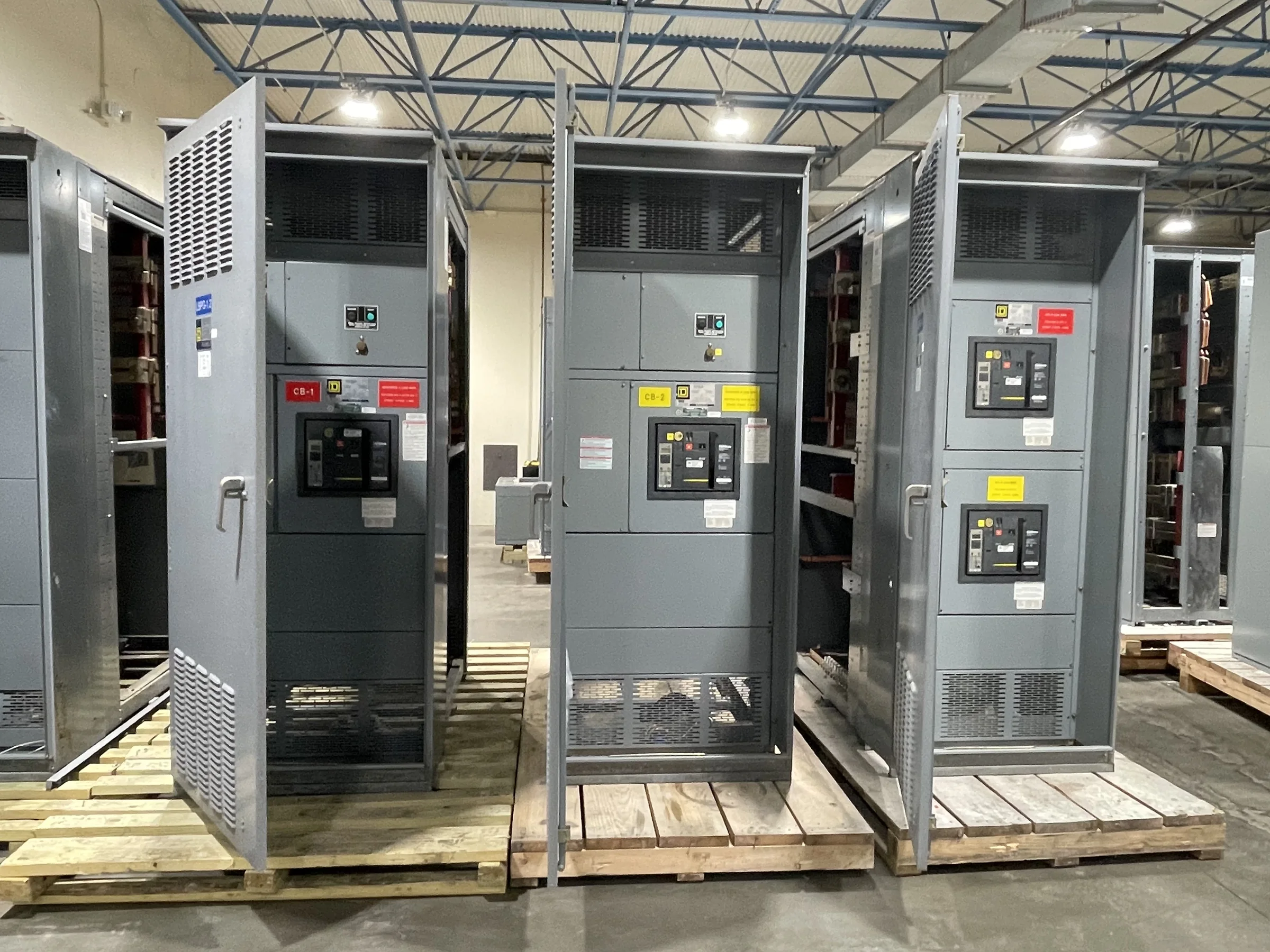
Modernization Starts With the Existing System
A modernization project in Galveston should begin with a documented picture of the equipment already serving the facility, not with a presumed one-for-one replacement. Record the switchgear or switchboard manufacturer, model, nameplate data, bus arrangement, protective devices, control power, available drawings, and known modifications. Confirm which loads are essential and whether the installation includes utility, generator, or tie connections. These details help engineers determine whether new equipment can match existing interfaces or whether the project needs broader changes to feeders, protection, or distribution layout. Missing or outdated records can hide incompatible dimensions or operating requirements until procurement is underway. A site survey and drawing review give the manufacturer a sound basis for discussing a build that fits the actual project.
Specify for the Load, Fault Duty, and Protection
Electrical ratings and protective-device requirements need to be established from the system study and the intended operating conditions. Project teams should verify nominal voltage, continuous load, short-circuit duty, available fault current, grounding arrangement, and coordination objectives rather than relying on the old equipment’s nameplate alone. Changes to utility service, transformers, generators, or connected loads may affect those values. The equipment specification should also identify metering, control, communications, and spare-capacity needs, where applicable. For low-voltage switchboard assemblies, UL 891 may be relevant when the design and evaluation meet the applicable requirements; it does not establish a blanket listing for medium- or high-voltage gear. The manufacturer and project engineer should confirm the applicable standards and evaluation scope for the specified assembly.


Choose a Replacement Strategy That Fits Operations
The right modernization scope depends on equipment condition, system compatibility, and the facility’s tolerance for interruption. Replacing a complete lineup can address obsolete construction and provide a coordinated new assembly, but may require changes to cable routing, room clearances, anchorage, or connected distribution. A project may instead specify replacement equipment around retained infrastructure, provided engineering confirms the interfaces and protective scheme remain suitable. Retaining existing components simply because they fit can preserve hidden maintenance or reliability concerns; changing them without checking downstream coordination can create new ones. Define the intended operating arrangement, isolation points, critical loads, and acceptable outage windows early. The final approach should be developed with qualified electrical professionals, with all installation and connection work performed de-energized under the facility’s safety procedures.
Coordinate Galveston Site Conditions and Delivery
Galveston facilities may face coastal humidity, salt-laden air, wind-driven rain, and site access constraints that affect equipment selection, protection, handling, and installation planning. The project team should describe the actual installation environment and confirm enclosure, finish, ventilation, and corrosion-protection requirements for the particular location; proximity to the coast alone does not determine a suitable specification. Delivery planning also needs verified receiving hours, unloading capacity, rigging access, route restrictions, door and corridor dimensions, and the sequence for moving equipment into the electrical room. Large assemblies can be difficult to reposition after arrival, especially where occupied operations limit staging space. Confirming these constraints before the build is released helps align shipping configuration and site preparation without assuming a delivery date or access condition.
Prepare Drawings and Purchasing Requirements Early
A complete procurement package reduces avoidable clarification cycles and gives bidders a consistent basis for pricing. Include one-line diagrams, load and fault-current information, equipment schedules, existing-room plans, connection details, device and metering requirements, control schematics, and the applicable project standards. Identify required submittals, review milestones, shipping destination, receiving contact, and any documentation needed for facility acceptance. Where information is preliminary, label assumptions and list open questions rather than treating them as approved design inputs. Engineers should check submittals against the project’s one-line and physical interfaces before authorizing fabrication; a mismatch discovered after construction can affect both cost and schedule. Discuss requested timing directly with the U.S. manufacturer, recognizing that configuration, component availability, engineering review, and approval cycles influence the project-specific schedule.
Plan Installation, Testing, and Handover
A new assembly is only useful when the site is ready to receive, install, verify, and operate it. Coordinate outage approvals, temporary power needs, equipment removal, access control, and the roles of the electrical contractor, engineer, facility staff, and manufacturer before delivery. Confirm the installation documents address foundations or supports, cable entry, termination requirements, grounding, and required clearances for the specified equipment. Before energization, qualified personnel should complete the inspections and tests required by the project documents and applicable rules, resolve deficiencies, and verify protective-device settings against the approved study. Request the final drawings, device information, operating instructions, and maintenance documentation for the installed configuration. Clear handover records help facility teams maintain the equipment and understand what changed in the distribution system.