Define What “Modernization” Means for the La Porte Facility
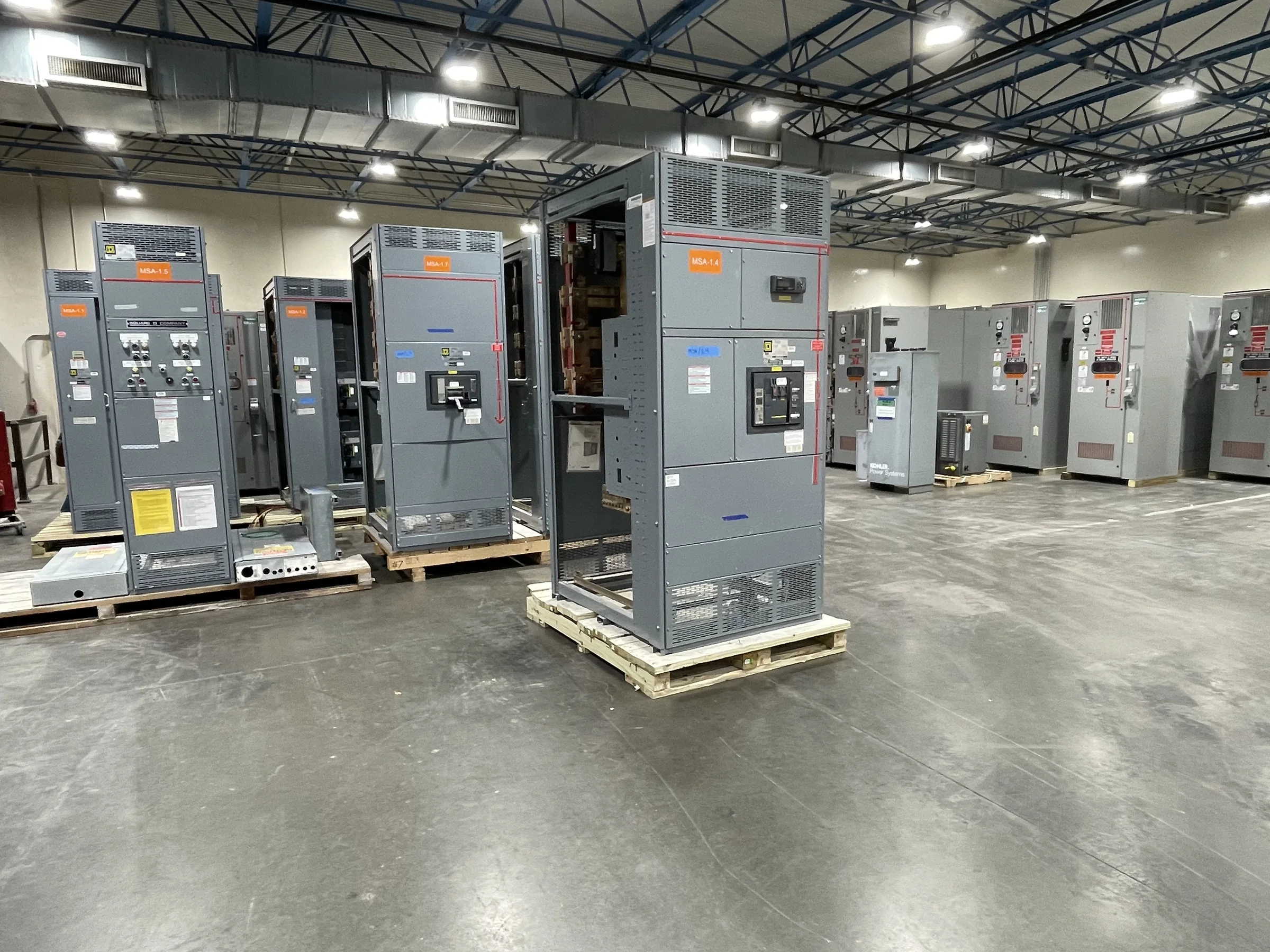
Modernization can mean replacing an aging switchboard, adding distribution capacity for a process change, or arranging new equipment to fit an existing electrical room. Those are different projects, so begin with the operating problem rather than a catalog configuration. Record the equipment’s function, system voltage, available fault-current information, feeder and load requirements, protective-device coordination needs, and any planned expansion. For a replacement, document the existing lineup’s dimensions, bus arrangement, cable entry, and connection points; an electrically suitable design may still be impractical if it cannot connect to the installation. La Porte’s industrial and petrochemical environment makes continuity and shutdown coordination especially important. Share the facility’s operating constraints early so the manufacturer can develop a project-specific equipment scope without assuming that a standard arrangement will fit.
Build the Specification from Verified Site Information
A dependable quotation starts with current, traceable project inputs. Provide one-line diagrams, equipment schedules, applicable electrical studies, control schematics, and available nameplate or manufacturer information for the existing gear. Identify the source and date of drawings, then mark field changes that could affect bus connections, metering, protection, or cable space. If records are incomplete, arrange a qualified site survey and confirm dimensions and interfaces before releasing design details. For La Porte facilities, include environmental conditions and any site-defined requirements for corrosion exposure, contamination, temperature, or enclosure location; do not rely on a city name to establish an equipment rating. Ask the project team to identify governing codes, owner standards, and required submittals. Clear inputs reduce avoidable design revisions and help procurement compare proposals on equivalent scope.


Check Compatibility Before Approving Replacement Equipment
Replacement equipment must work as part of the electrical system, not merely resemble the lineup it replaces. Engineers should review nominal voltage, continuous-current needs, short-circuit duty, bus configuration, grounding, protective-device functions, metering, and control interfaces against verified system data. Confirm cable sizes, lug arrangements, phase orientation, access clearances, and available space for installation and termination. Existing foundations, conduits, and incoming or outgoing connections can constrain a new assembly, particularly when an electrical room cannot be enlarged. A project may require transition sections or related engineering, but their suitability depends on field conditions and design review. Provide the manufacturer with the relevant drawings and study results, and route final selections through the facility’s responsible electrical engineer. Ratings, interfaces, standards, and applicable evaluations must be confirmed for the specific project.
Plan Shutdowns, Submittals, and Procurement Milestones
Schedule risk often comes from unresolved interfaces or late approvals rather than the equipment alone. Establish who will supply drawings, review submittals, approve protective-device details, and confirm field dimensions, and set target dates for each decision. Ask for a project-specific schedule that distinguishes design review, approved submittals, manufacturing, shipment, and site readiness; timing depends on the finalized scope and current availability, so avoid treating an early estimate as a guarantee. Coordinate the proposed outage with operations, maintenance, contractors, and any process areas that depend on the affected feeders. In La Porte’s industrial settings, a missed shutdown window can disrupt more than the electrical installation. Identify long-lead project decisions promptly, but do not bypass engineering review to accelerate release. Written scope boundaries help prevent assumptions about installation, testing, or commissioning.
Coordinate Delivery with La Porte Site Access and Handling
A delivery plan should be checked against the route from the receiving point to the final electrical room, not just the facility gate. Confirm truck access, appointment procedures, security requirements, unloading responsibility, lifting equipment, staging space, doorway and corridor dimensions, floor capacity, and any limits on delivery hours. Industrial sites around La Porte may have controlled entry, active process areas, contractor check-in, or restricted movement near operating equipment; verify the actual site rules instead of assuming a carrier can proceed directly to the work area. Compare shipment sections and handling arrangements with the available path, and protect equipment from moisture, contamination, and impact during storage as directed by the project documents. Share access constraints before shipment coordination. Nationwide shipping is an available offering, but route, carrier, packaging, handling, and delivery timing require project-specific confirmation.
Review Documentation and Close the Modernization Scope
Before authorizing manufacture, procurement teams should confirm that the proposal and approved submittals describe the same equipment, accessories, interfaces, and responsibilities. Request drawings, bills of material or scope schedules, ratings, protective-device information, connection details, and any required product evaluation documentation applicable to the specified assembly. UL 891 applies to appropriately evaluated low-voltage switchboard assemblies; it is not a blanket certification for medium- or high-voltage equipment, and a project should verify the exact labeling or evaluation requirement. Document exclusions and identify who handles demolition, installation, field connections, testing, commissioning, and disposal. New equipment does not remove the need for qualified planning: installation and maintenance require appropriate de-energization, verification, and site safety procedures. A manufacturer-built assembly can be tailored to project inputs, while final suitability, approvals, and availability remain dependent on the reviewed scope.