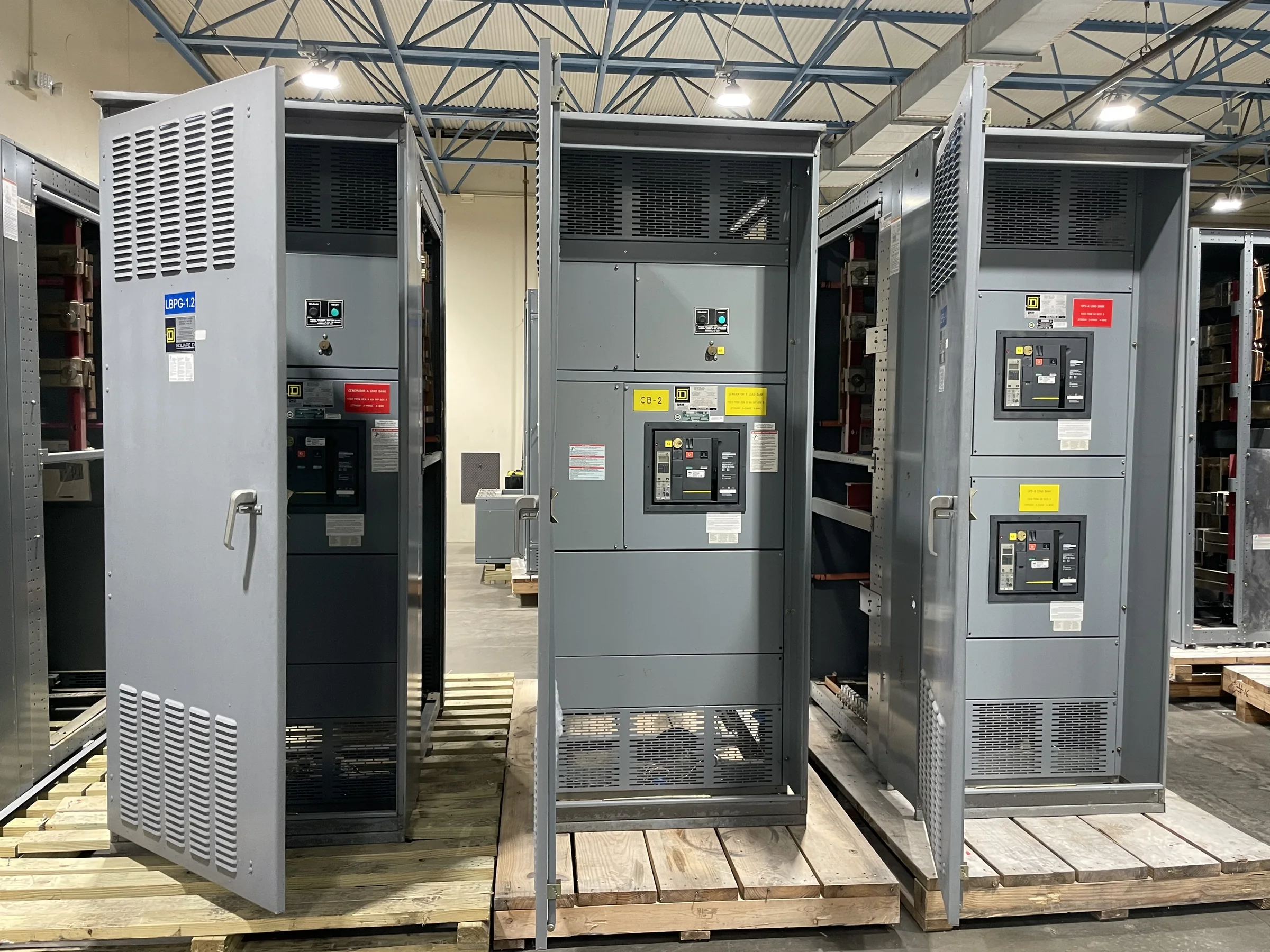
Define the Modernization Scope Before Selecting Equipment
In Pasadena, a switchgear modernization may involve replacing an aging lineup, coordinating new distribution equipment with an expansion, or planning a phased change around production needs. Start by documenting the existing one-line diagram, system voltage, available fault-current information, protective-device types, and the loads served. Record enclosure dimensions, access clearances, cable entry points, bus arrangement, and the condition of connected conductors. These details help determine whether the project calls for a replacement lineup, a revised distribution arrangement, or further engineering review—not simply a new cabinet with similar dimensions. Share the intended operating sequence and any critical loads with the manufacturer. A clear scope reduces late design changes and helps the project team identify compatibility questions before equipment is ordered.
Resolve Ratings, Protection, and System Compatibility
Equipment selection must reflect the actual electrical system and the way the facility operates. Confirm nominal voltage, frequency, continuous current needs, interrupting requirements, grounding method, and the available short-circuit current at the proposed connection point. Protection settings and coordination with upstream and downstream devices matter because a mismatch can affect selectivity, equipment protection, or continuity of service. Pasadena-area industrial facilities may have process loads, motors, or future expansion plans that change the duty expected of a lineup; those conditions should be captured rather than assumed. Provide current studies and utility or facility data when available, and flag information that remains provisional. Final ratings, device selections, standards, and any applicable evaluation or listing are project-specific and require engineering confirmation.


Plan Interfaces With Existing Distribution Equipment
The most difficult fit issues often occur at the boundaries between new equipment and the installed system. Compare the proposed lineup’s footprint, bus connections, phase arrangement, cable space, and termination approach with field-verified conditions. Existing drawings can be outdated, so record dimensions and identify obstructions, structural limits, overhead services, and routes for removing old equipment. If the modernization is intended to preserve existing feeders or downstream devices, verify their electrical ratings, physical condition, and compatibility with the new arrangement. A transition section or revised conductor routing may be needed, but its suitability cannot be assumed without design review. Resolve these interfaces early: they affect layout, outage planning, material takeoffs, and whether the installation can proceed without unexpected field modifications.
Coordinate the Purchase Around Submittals and Schedule
A useful request for quotation includes the one-line diagram, equipment schedule, available fault-current data, preferred manufacturer or device requirements, and site constraints. Identify which items are mandatory and which may be proposed as alternatives. Ask for the submittal package, drawing review sequence, required approvals, and the information needed to release the build. Custom equipment and short lead times may be available, but schedule depends on the final scope, component selection, engineering review, and approval timing; confirm the project-specific plan rather than relying on a general estimate. Track long-lead components and owner decisions alongside the delivery target. Clear purchasing documents reduce bid ambiguity and give engineering, procurement, and operations teams a shared basis for evaluating proposals.
Prepare the Pasadena Site for Delivery and Installation
Delivery planning should account for the actual destination, receiving hours, unloading equipment, and the route from the truck to the electrical room. Pasadena’s industrial and commercial sites can have controlled access, active loading areas, security procedures, or limited maneuvering space, so confirm these conditions with the site team before shipment is arranged. Check door and corridor dimensions, floor loading, turning clearances, staging space, and whether the lineup must be moved in sections. Coordinate the delivery sequence with construction progress and the planned outage window; equipment arriving too early can create storage and handling risks, while a missed access window can disrupt installation. Nationwide shipping can support the project, but packaging, carrier arrangements, receiving responsibilities, and timing should be agreed for the specific site.
Close Documentation and Outage Planning Before Energization
Before installation, align the approved equipment drawings with the final field layout, cable schedule, connection details, and protection plan. The project file should identify equipment ratings, device data, wiring and terminal information, approved deviations, and any required inspection or testing responsibilities. Confirm who will verify site conditions, manage the outage, isolate the affected circuits, and approve return to service. All installation, inspection, testing, and commissioning work must be performed by qualified personnel under applicable procedures, with equipment de-energized and verified safe before work; energized work is not a shortcut for schedule recovery. A documented turnover package helps facility staff understand the installed arrangement and supports future maintenance. Resolve open technical questions before shipment or outage commitment, when changes are easier to manage.