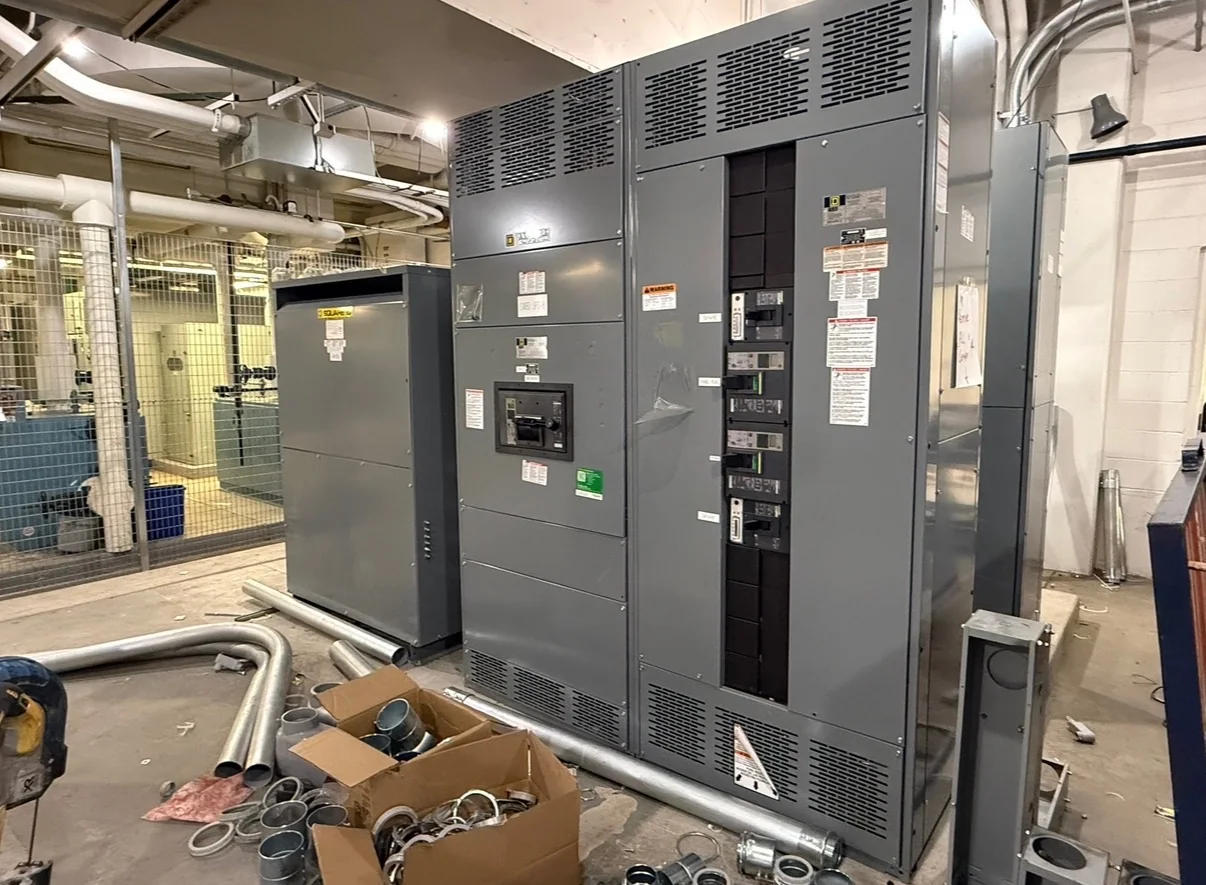
Define the Modernization Scope Before Selecting Equipment
In Sugar Land, a switchgear modernization project may involve replacing an assembly, changing feeder arrangements, or coordinating new distribution equipment with an existing electrical system. Start by documenting what must remain in service, which loads are critical, and where the present equipment limits capacity, protection, maintainability, or available space. Those goals influence whether the project calls for a new switchboard, a medium-voltage lineup, or a staged replacement strategy; the terms are not interchangeable. Gather the one-line diagram, equipment nameplates, protective-device information, available fault-current data, and site photographs before requesting a quote. If records are incomplete, identify that gap rather than treating an assumed rating as confirmed. Clear scope helps the manufacturer develop a configuration for engineering review and gives the facility team a more useful basis for comparing proposals.
Verify Electrical Data and Existing-System Compatibility
A replacement lineup must fit the electrical system, not simply match the dimensions or current rating of the old equipment. Confirm system voltage, phase and wire configuration, frequency, bus requirements, incoming source arrangement, fault-current conditions, grounding method, and the function of each feeder. Protection and coordination decisions also depend on upstream and downstream devices, transformer information, and the loads served. Sugar Land facilities can include varied commercial, institutional, and industrial applications, so location alone does not identify the correct design. Provide available studies and drawings, then have qualified project professionals check whether they reflect present operating conditions. Where data is missing or equipment has changed, make verification an explicit project task. This reduces the risk of ordering an assembly that cannot be integrated safely or that undermines the intended protection strategy.


Plan Around the Building, Access Route, and Work Window
The physical route to the electrical room can constrain a modernization as much as the equipment footprint. Measure doorways, corridors, turns, floor openings, loading access, and overhead clearances; note stairs, elevators, removable panels, and any limits on staging space. Compare the proposed shipping sections and handling requirements with those conditions before the configuration is finalized. In Sugar Land, coordinate site access and delivery timing with facility operations, contractors, and the receiving team rather than assuming a truck can unload whenever it arrives. Texas heat and seasonal severe-weather risks may also affect outdoor staging, equipment protection, and the work schedule. These are planning considerations, not reasons to presume a particular delivery method. Early route review can identify a need for revised section dimensions, staged receiving, or a different installation sequence.
Set a Realistic Schedule and Coordinate Delivery
Short lead times may be available for some custom builds, but timing depends on the approved design, component selection, engineering changes, and current availability. Ask for the schedule assumptions in the proposal and identify the decisions or submittals that could hold up release for manufacture. Confirm who reviews drawings, how revisions are handled, and when the site must be ready to receive the shipment. Nationwide shipping can support a Sugar Land project, but it does not by itself establish a delivery date, unloading plan, or placement responsibility. Align the carrier appointment with site rules, crane or forklift arrangements where needed, and the electrical contractor’s work sequence. If the existing system must stay operational until changeover, make outage constraints visible early. A schedule built around actual approvals and site logistics is more useful than an unqualified promise.
Prepare Submittals, Standards, and Purchasing Requirements
A procurement package should make it possible to evaluate both technical fit and commercial scope. Request equipment drawings, a bill of materials or device schedule as applicable, wiring and terminal information, dimensional details, and stated ratings for review against the project documents. Specify preferred components or approved alternatives, required accessories, enclosure conditions, control interfaces, and documentation needs without assuming every request is automatically included. For applicable low-voltage switchboard assemblies, UL 891 evaluation may be relevant; it should not be treated as a blanket certification for medium- or high-voltage equipment or as proof that every offered assembly carries a UL label. Confirm the exact evaluation and marking requirements for the project. U.S.-manufactured equipment and American components can be part of the purchasing specification, but availability and exact component choices should be confirmed for the selected design.
Plan Installation, Changeover, and Closeout Documentation
Before award, establish how the new equipment will connect to existing conductors, raceways, grounding, controls, and protective devices, and identify who is responsible for field verification and installation engineering. Confirm which existing components, if any, are intended for reuse and how compatibility will be assessed; age or physical fit alone is not enough. Plan outages, temporary operating arrangements, commissioning responsibilities, and acceptance criteria with the facility team and qualified electrical professionals. Electrical work must follow applicable safety procedures, including de-energization and verification before work on equipment. For closeout, define the required final drawings, device settings records, manuals, and test documentation rather than assuming a standard package covers every need. These records help Sugar Land facility staff maintain the system, investigate later changes, and give future contractors reliable information instead of relying on outdated field assumptions.