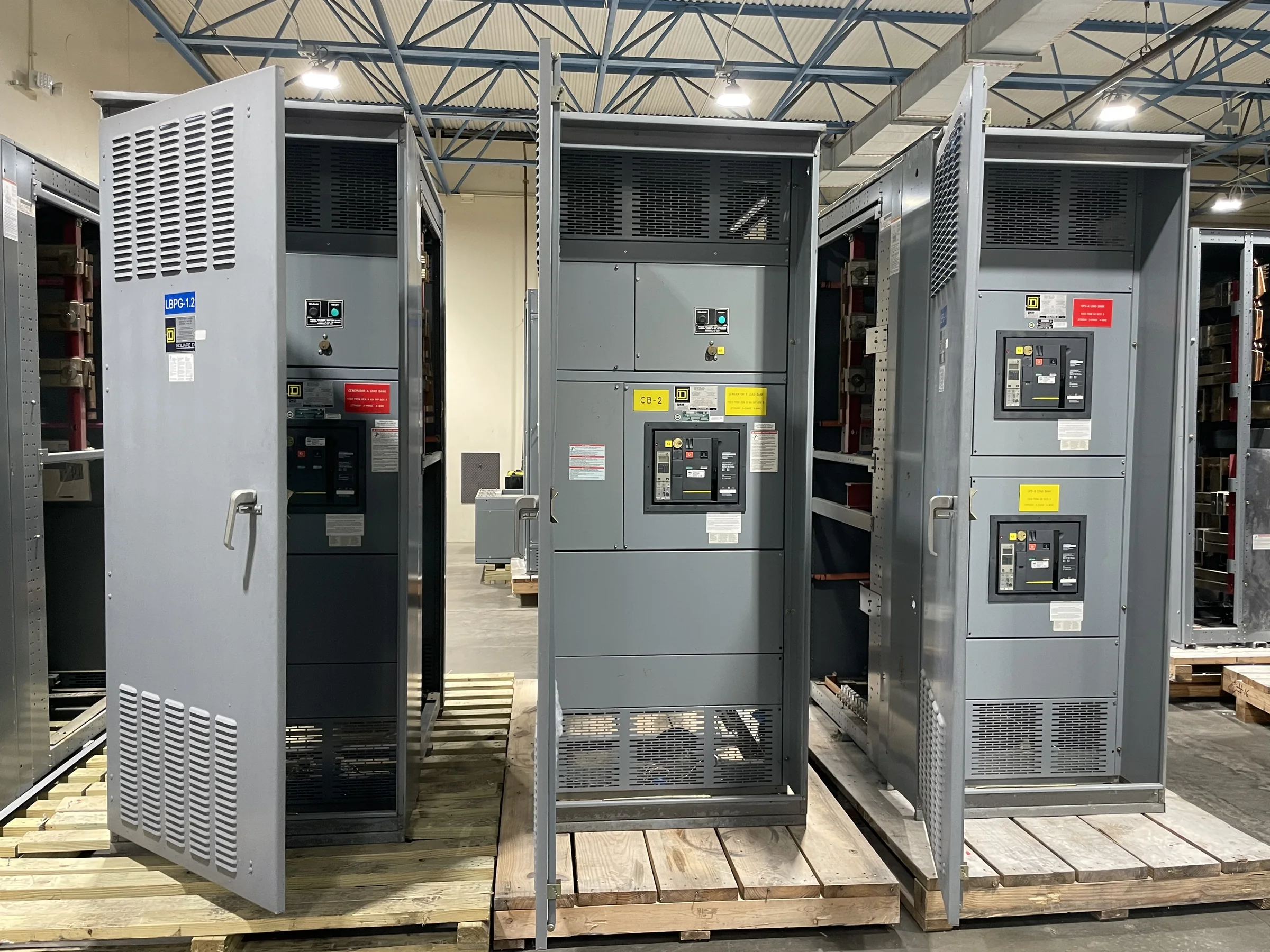
Start a Houston Quote With the Existing System
A useful quote begins with the equipment’s role in the distribution system, not just a requested product name. Identify whether the project calls for a low-voltage switchboard, medium-voltage switchgear, or a replacement section, then share the one-line diagram and available equipment nameplates. Include system voltage, phase, frequency, service configuration, available fault-current information, and the protective-device arrangement when known. These details help the manufacturer assess the intended application and flag gaps for engineering review; they do not establish a final design by themselves. In an existing Houston facility, old drawings may not reflect later utility or load changes. Comparing field-verified information with records can prevent a quote from assuming an incompatible bus arrangement, connection, or protection scheme.
Define Loads, Fault Duty, and Coordination Needs
The quoted assembly must suit the electrical system and the loads it serves, so send more than a total ampere figure. Explain the incoming source, transformers or generators, major motor loads, and planned capacity changes. Provide the available fault-current data and the basis and date for that information, along with protective-device settings or coordination requirements if the engineer has them. Fault duty and selective coordination can influence equipment selection, breaker choices, and review scope; assumptions can change both price and schedule. For Houston-area plants and commercial facilities, planned expansions or backup-power additions deserve early attention because they may alter system conditions. Final ratings, interrupting capabilities, and protection details depend on project-specific engineering and verification—not a general-purpose quote.


Specify the Build, Interfaces, and Required Documents
Clear interface requirements reduce the chance that new equipment arrives with an unsuitable footprint or connection scheme. Share available room dimensions, access-door and aisle constraints, cable-entry direction, conduit locations, bus or cable termination details, and any known restrictions on removing existing gear. State whether the work is new construction, replacement, or part of a phased retrofit, and identify what equipment must connect at each end. A bid package may also call for drawings, bills of material, product data, or submittals for engineer review. Tell the manufacturer which documents are required and when they must be submitted. Houston facilities often have crowded electrical rooms or operating processes that limit access; confirming those conditions early helps expose interface questions before fabrication planning proceeds.
Discuss Timing Without Treating It as a Guarantee
A realistic schedule discussion separates quote preparation, drawing review, approval, fabrication, shipment, and site installation. Ask which project dates are firm, which depend on approvals, and what information the manufacturer needs before a schedule can be assessed. Late changes to breaker functions, metering, enclosure details, or incoming connections may require renewed engineering review and affect the planned sequence. If the project includes a shutdown window, communicate its duration and decision deadline early; a delivery date alone does not confirm that equipment will be ready, accepted, or installable for that outage. Short lead times may be available for some builds, but timing depends on the specified design, components, approvals, and production capacity. Confirm current availability and milestones in the project quote.
Plan Houston Delivery Around the Actual Site
Nationwide shipping can support Houston-area projects, but the delivery plan should match the receiving site rather than assume a standard drop-off. Provide the delivery address during quoting, identify the receiving contact, and note gate hours, appointment rules, unloading equipment, dock limits, and any restrictions on truck size or staging. Determine whether the route from the receiving point to the electrical room includes narrow corridors, stairs, elevators, or overhead obstructions; these can affect handling plans and equipment configuration. Houston-area sites may also need to coordinate deliveries with active production, contractor access, or weather-related site conditions. Confirm packaging, shipment divisions, and unloading responsibilities before dispatch. The carrier and manufacturer can review the requested arrangement, but site access and delivery feasibility require project-specific confirmation.
Compare Quotes and Prepare for Review
When comparing proposals, check that each one covers the same system information, equipment boundaries, options, documentation, and delivery assumptions. A lower initial figure may exclude items such as metering, control wiring, transition sections, or requested submittals, so compare scope line by line rather than relying on the equipment label. Identify the reviewing engineer, approval sequence, and any required standards or owner specifications. UL 891 applies to appropriately evaluated low-voltage switchboard assemblies; it is not a blanket certification for medium- or high-voltage equipment, and a quote should not be read as proof that every assembly carries a UL label. Ask what evaluation or marking is applicable to the exact assembly. With clear requirements and timely review, procurement can resolve exceptions before placing the order.