Define the Katy Project Before Requesting a Quote
A useful switchgear quote starts with the electrical duty, not a guessed product label. Identify whether the project needs a low-voltage switchboard, switchgear, or a medium-voltage assembly, and describe the system voltage, phase, frequency, available fault current, and intended service arrangement when known. Include the one-line diagram and note the source, transformer, generators, ties, and major downstream loads. These details shape bus ratings, protective-device coordination, and the equipment configuration; an incomplete basis can lead to a quote that does not fit the actual installation. If design is still developing, mark assumptions clearly and identify open decisions. A U.S. manufacturer can review the project information and prepare a quote around the stated requirements, subject to engineering confirmation.
Match Ratings and Protection to the Electrical Study
The equipment must suit the system it will connect to, so provide available fault-current data and the latest coordination or arc-flash study if available. Interrupting ratings, short-circuit withstand, bus bracing, and protective-device choices are related but not interchangeable; the final selection depends on the system and applicable design requirements. Explain whether breakers need particular trip functions, metering, communications, or selective coordination, and identify any owner or engineer preferences. For a replacement, share the existing equipment nameplate, drawings, and breaker information rather than relying on approximate descriptions. A rating or device that appears similar may not be electrically compatible. Review of these materials helps expose mismatches before release, while final ratings, standards, and applicability remain project-specific and should be confirmed by the responsible design professional.


Document Interfaces for Replacement and Retrofit Work
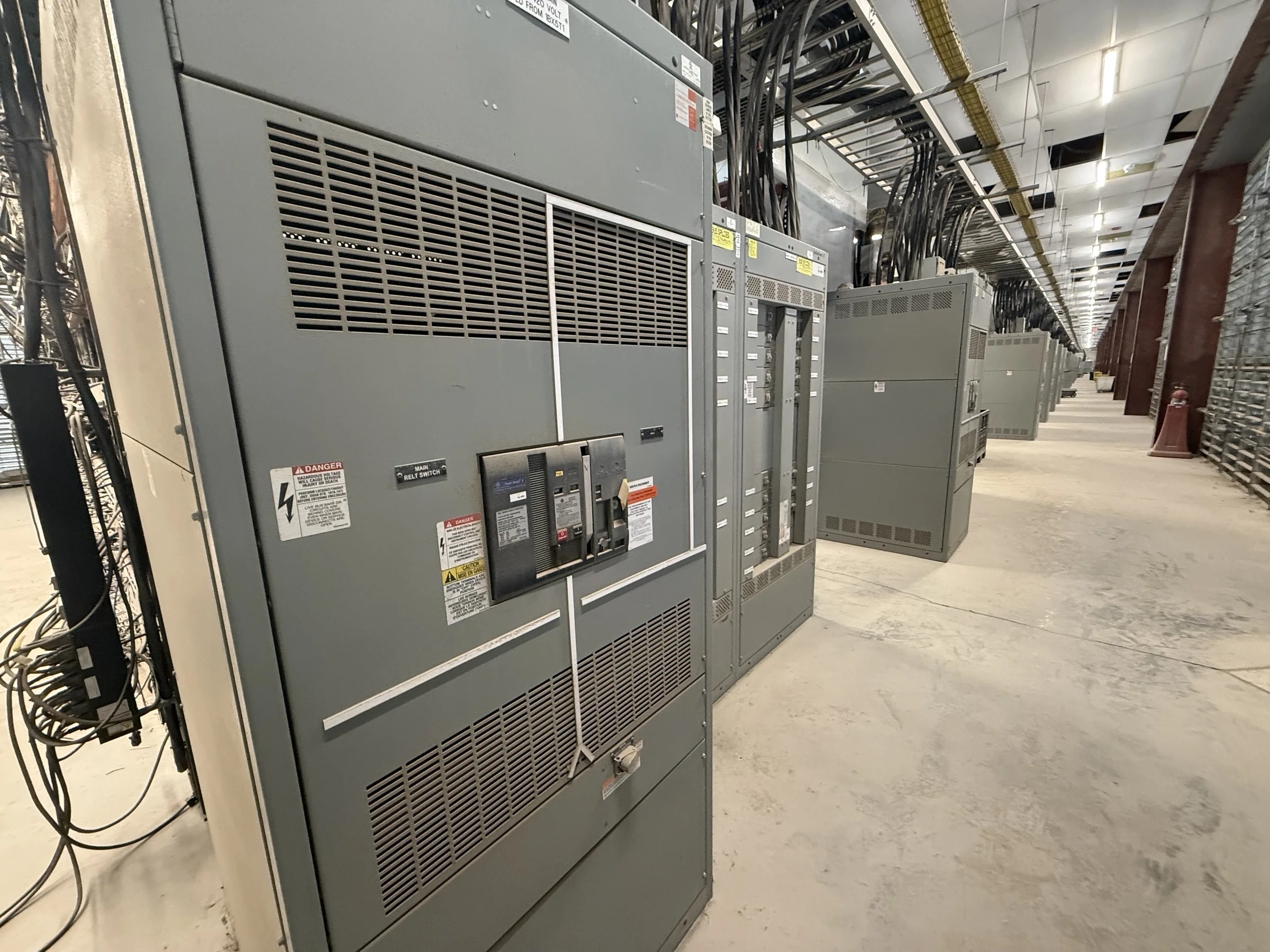
When new equipment must connect to an existing lineup, dimensions and electrical ratings are only part of the fit. Record the available room, lineup width and height, cable-entry direction, conductor material and sizes, conduit locations, grounding arrangement, and access needed for installation and maintenance. Photographs can help explain field conditions, but dimensioned drawings and verified measurements are more dependable for design review. State whether the scope is a complete replacement, a new adjacent section, or a retrofit concept; do not assume new gear will accept existing breakers or bus connections without engineering review. Interface errors can force field modifications, extend outages, or interfere with clearances. Confirm the basis of design, responsibility for field verification, and any required outage planning before approving drawings or releasing equipment for production.
Plan the Equipment Footprint and Installation Route
A Katy facility may have limited electrical-room access even when the building has ample exterior staging space. Before selecting a lineup arrangement, check doorway and corridor dimensions, ceiling height, turning space, floor loading, lifting access, and the path from the receiving point to the final location. Confirm whether equipment can enter as a complete lineup or needs to be shipped in sections; that choice affects shipping, handling, field assembly, and connection planning. Note nearby piping, HVAC, structural members, and working-clearance constraints that could conflict with doors or cable access. Provide site drawings or measured sketches where possible, and identify who will verify conditions. Resolving route and footprint questions early reduces the risk of a delivered assembly that cannot be moved into place as planned.
Coordinate Schedule, Submittals, and Purchasing Approvals
A short lead time is useful only if the project is ready to make decisions and review documents. For the quote, identify the requested in-service date, procurement milestones, approval process, and any dependencies such as transformer delivery, utility coordination, or planned shutdowns. Ask what information is needed to establish a schedule, and treat timing as subject to the final scope, component availability, drawing approval, and production conditions—not as a guarantee. Provide the required submittal list, including drawings, bills of material, control or metering details, and closeout documentation, as applicable to the project. Clarify who can approve deviations and how revisions will be managed. Early alignment matters because late changes to ratings, dimensions, or protective devices can affect both engineering review and the planned sequence of work.
Arrange Delivery and Confirm the Final Scope
Nationwide shipping can support a Katy project, but delivery details need to be planned alongside the electrical design. Tell the manufacturer whether the destination has a loading dock, forklift or crane access, restricted delivery hours, security check-in, limited staging, or a required appointment. Confirm who receives and inspects the equipment, how shipment condition will be documented, and where sections can be stored in a dry, protected area before installation. Before issuing a purchase order, reconcile the quote with the approved one-line diagram, equipment schedule, accessory list, drawings, and stated exclusions. Verify that the quoted assembly type and any requested evaluation or listing match the application; UL 891 applies to appropriately evaluated low-voltage switchboard assemblies, not every switchgear product. Final configuration, compliance, and availability require project-specific confirmation.