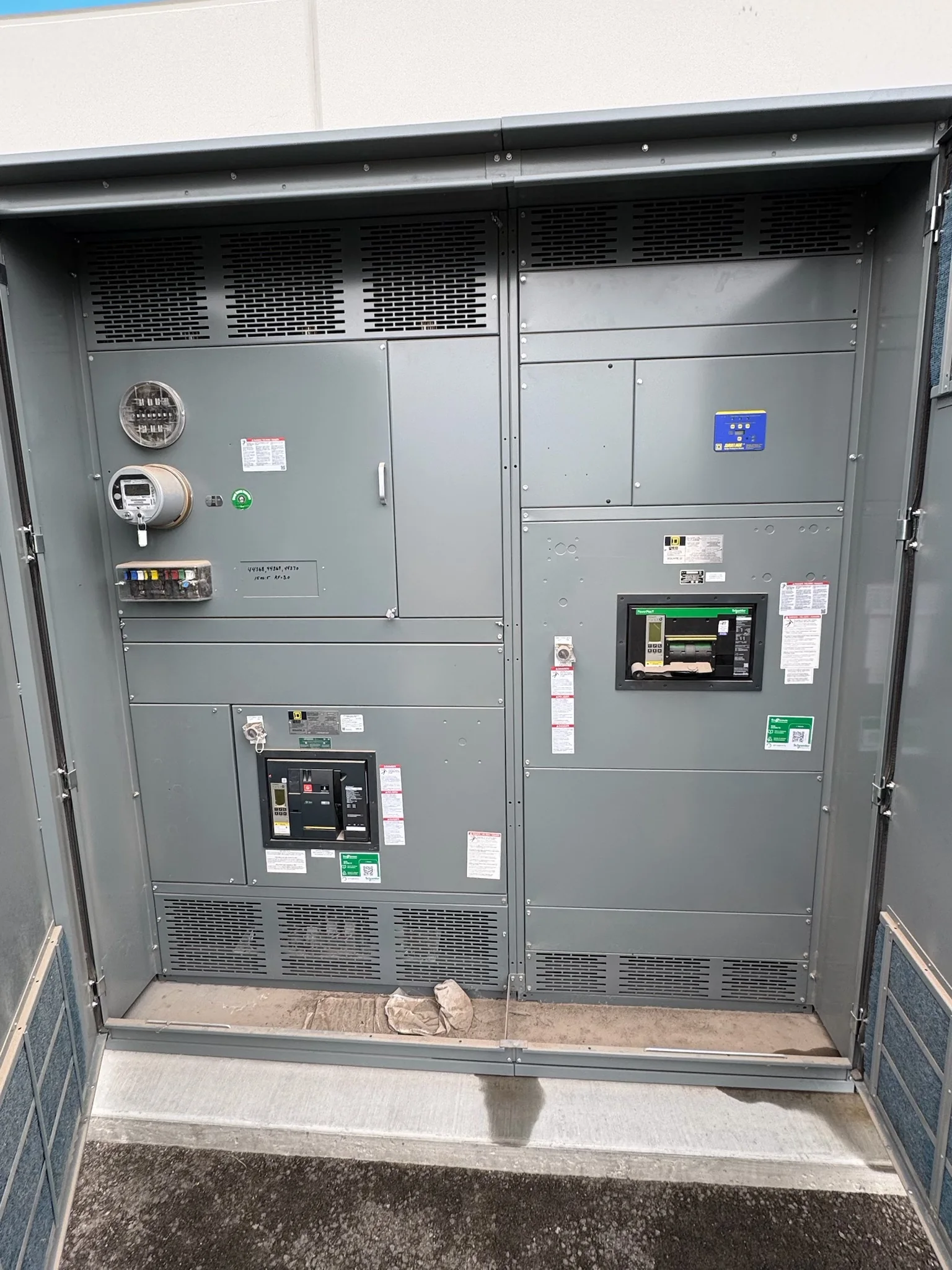
Start the Pasadena Quote With the Load and One-Line Diagram
A useful switchgear quote begins with the electrical duty, not a product name alone. Share the latest one-line diagram, service voltage, phase and frequency, source information, and the intended distribution arrangement. Include normal and emergency operating conditions, anticipated load, available fault-current data, and required interrupting or withstand ratings where established by the project engineer. These details affect equipment selection, protective-device coordination, bus design, and the space required for cable access. If fault-current or load studies are still underway, identify them as open items rather than treating preliminary values as final. A U.S. manufacturer can build around project requirements, but the final configuration and ratings must be confirmed for the specific application before an order is released.
Define the Assembly and Its Protective Functions
Clarify whether the project calls for a low-voltage switchboard, medium-voltage switchgear, or another distribution assembly; similar terminology can conceal important differences in construction and application. List the required mains, feeders, tie breakers, metering, control power, and protective relaying, along with preferred manufacturers or approved-equivalent rules for components. Specify the intended operating sequence, including how sources transfer or remain isolated, and flag any interlocking or remote-control requirements for engineering review. UL 891 may be relevant to an appropriately evaluated low-voltage switchboard assembly, but it is not a blanket certification for all equipment or voltage classes. Identify the standards, labeling, and acceptance documentation required by the contract, then verify applicability for the quoted design rather than assuming every requested feature is included.


Coordinate the Equipment With Pasadena Site Conditions
Pasadena projects can involve industrial facilities, process areas, outdoor service locations, or occupied buildings, and each setting changes the enclosure and installation questions. Provide the proposed equipment location and note exposure to rain, dust, corrosive agents, heat, vibration, washdown, or hazardous-area requirements if applicable. Share room dimensions, ceiling height, access clearances, ventilation constraints, and the route from the receiving point to the final position. Those facts influence enclosure selection, arrangement, cable entry, handling provisions, and whether the equipment can be moved through doors, corridors, or a planned opening. Do not assume an indoor assembly will suit an exposed location, or that a standard footprint fits an existing room. The engineer and manufacturer should resolve environmental and layout requirements before the configuration is finalized.
Use Timing Discussions to Protect the Project Schedule
When requesting pricing, distinguish the date a quote is needed from the required equipment-on-site date and the date the installation must be ready for energization. Include procurement milestones, drawing-review windows, approval authority, planned outage periods, and dependencies such as completed fault studies or utility coordination. Custom construction and component selection can affect the schedule, so ask which decisions must be settled before engineering release and which remain subject to confirmation. Short lead times are an offering, not a guaranteed delivery period; timing depends on the approved design, component availability, review cycles, and project scope. For a Pasadena facility with a constrained shutdown, identify allowable delivery windows and receiving hours early. Confirm the current schedule and its assumptions in writing before aligning contractors, outage plans, or commissioning resources.
Make Delivery and Receiving Details Part of the Quote
Nationwide shipping does not remove the need to plan the final leg of delivery. For a Pasadena jobsite, provide the receiving address, site contact, delivery-hour restrictions, truck or trailer limits, unloading arrangements, and any gate, security, or escort procedures. Note whether a loading dock, forklift, crane, or other handling equipment is available, and who is responsible for unloading and moving sections into the electrical room. Switchgear dimensions, shipping configuration, and lifting provisions must be checked against the actual access route; a truck that can reach the property does not guarantee the equipment can reach its installed position. Ask the manufacturer to confirm the proposed shipping arrangement and responsibilities for the specific order. Coordinate receipt with storage conditions and the installation sequence to reduce exposure to moisture, damage, or site congestion.
Submit a Complete Package for Review and Release
A quote is easier to evaluate when commercial and technical requirements arrive together. Include the equipment schedule, one-line diagram, specifications, preferred components, required options, applicable standards, and any exceptions or approved substitutions. Add the project name or identifier, quantity, requested ship-to details, quote deadline, and the person authorized to resolve technical questions. State which drawings and documents are required, such as outline drawings, connection information, bills of material, or test and inspection records, while recognizing that availability and scope depend on the final assembly and contract. Before purchase, compare the proposed configuration against the engineer’s documents for voltage, ratings, functions, dimensions, and interfaces. Resolve discrepancies before approval; a clear review record helps procurement, engineering, and facility teams avoid ordering equipment that does not match the intended installation.