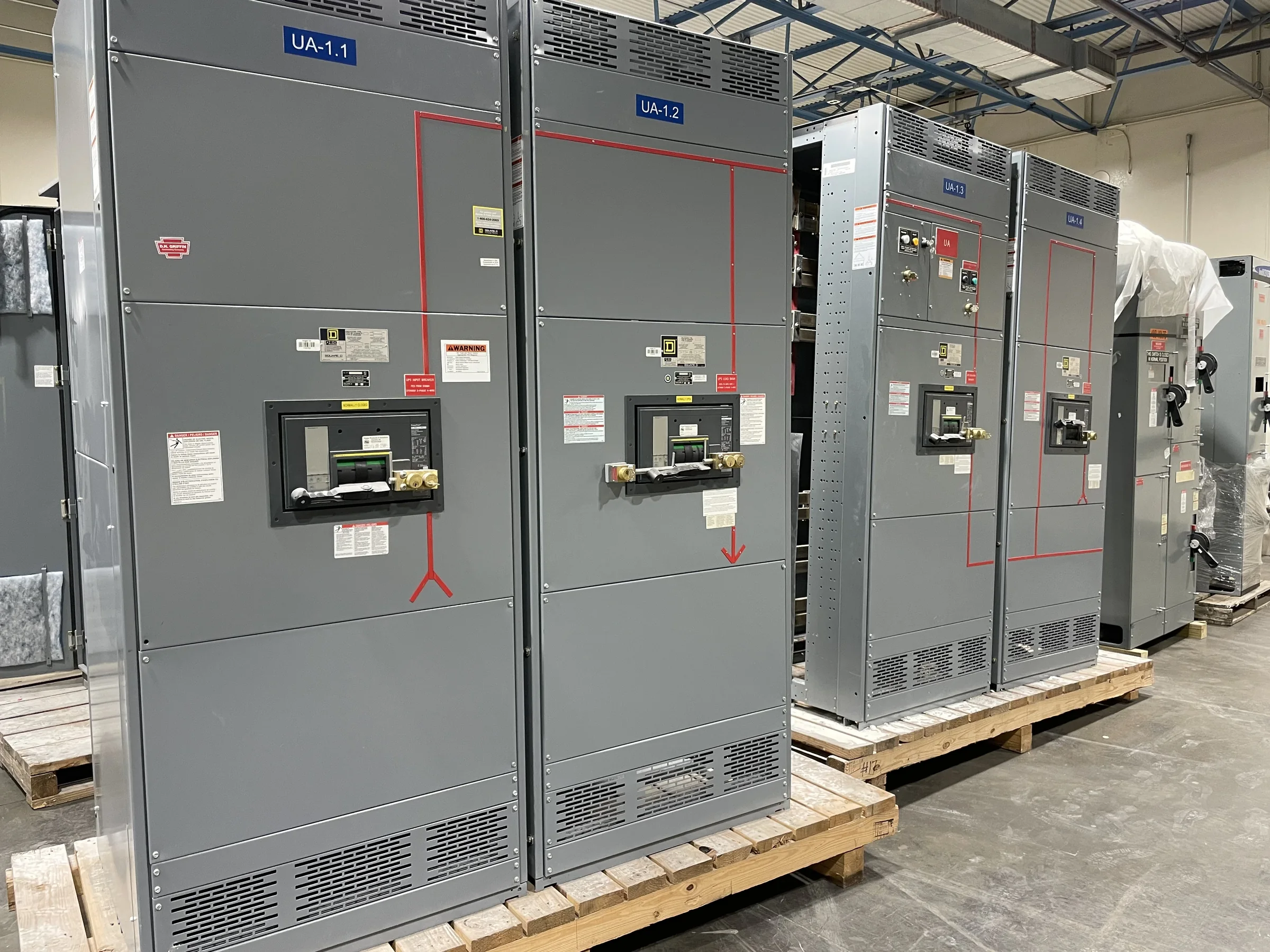
Define the Replacement Scope Before Requesting a Quote
A Deer Park switchgear replacement starts with the equipment’s role in the electrical system, not simply its age or exterior dimensions. Identify the source and destination of each feeder, the loads served, available fault-current information, system voltage, and the functions required for protection, metering, and control. These details help determine whether the project calls for a direct replacement, a revised lineup, or changes elsewhere in the distribution system. Record existing nameplate data and gather current one-line diagrams, protective-device settings, and maintenance findings where available. If records conflict with field conditions, flag the discrepancy for engineering review. A U.S. manufacturer can use the project information to develop a new-build quotation, while final ratings, configuration, and compatibility remain subject to review.
Confirm Ratings, Protection, and System Compatibility
Electrical compatibility involves more than matching a nominal voltage or reusing familiar breaker types. The design team should confirm continuous-current needs, interrupting or withstand requirements, bus arrangement, grounding method, protection coordination, and the connection between the replacement assembly and upstream and downstream equipment. Changes to transformers, utility service, motors, or fault-current contribution can affect the available fault current and the protective-device selection. For low-voltage switchboard work, UL 891 may be relevant to an appropriately evaluated assembly; it is not a blanket certification for medium- or high-voltage gear. Share the applicable project specifications and study requirements early so proposed equipment can be reviewed against them. Treat ratings, standards, device interchangeability, and any requested listing as project-specific items to verify before release.


Plan the Physical Fit and Shutdown Window
A replacement can meet electrical requirements and still fail at installation if the room, route, or outage plan is overlooked. Measure the existing lineup, working clearances, ceiling height, access doors, turning points, and floor openings, then compare them with the proposed equipment layout and installation sequence. In Deer Park, coordinate delivery and site access with the facility’s operating schedule, receiving rules, and any contractor or terminal access procedures that apply to the specific site. Establish which loads can be interrupted, how long the approved shutdown window may be, and whether temporary arrangements are required; these decisions belong with the facility’s qualified electrical and safety teams. Confirm equipment dimensions and connection details before fabrication. De-energized work and the site’s established safety controls remain essential.
Build a Quote Package That Supports Accurate Pricing
A useful request for quotation gives suppliers enough information to distinguish required features from assumptions. Include the one-line diagram, equipment schedules, available fault-current data, preferred manufacturer or device requirements where applicable, enclosure and environmental conditions, control schematics, and the project’s inspection or documentation needs. Add photographs and measured dimensions, but identify them as field references rather than substitutes for verified drawings. Clarify whether the scope includes engineering submittals, replacement equipment only, or defined installation interfaces, and list any exclusions that must be priced separately. For a Deer Park facility, note site-specific receiving hours, delivery restrictions, and coordination contacts without assuming the same rules apply across industrial properties. A complete package helps the manufacturer identify open technical questions before a quote becomes a purchase order.
Review Submittals and Manage the Build Schedule
Before authorizing fabrication, review the proposed drawings against the approved one-line diagram, feeder schedule, physical layout, and connection points. Check that control-power needs, metering, protection functions, labels, and cable-entry assumptions match the project documents; unresolved differences can create costly field changes. Establish who reviews submittals, how comments are closed, and which documents are required for release. Discuss the requested schedule directly with the manufacturer, including approval time, component availability, inspection milestones, and the consequences of late design changes. Custom construction and American components may be available, but neither guarantees a particular delivery date or a fit with existing equipment. Confirm current availability and timing for the specific bill of materials. Keep the approved drawing set, revision history, and purchase scope aligned through shipment.
Coordinate Delivery, Installation, and Closeout Records
Delivery planning should connect the equipment’s shipping configuration to the site’s unloading capacity, storage conditions, access route, and installation sequence. Confirm shipment dimensions and handling requirements with the manufacturer, then coordinate the carrier, receiving contact, and delivery window with the Deer Park facility. Nationwide shipping is an available offering, but site access, carrier arrangements, and delivery timing require project-specific confirmation. Before installation, the responsible contractor and facility team should verify equipment condition, approved drawings, connection interfaces, and required de-energized work controls. After installation and testing by qualified personnel, assemble the final record package: approved and as-built drawings, device and settings information, applicable test documentation, operating instructions, and spare-parts details. Complete records help future maintenance staff understand what was installed and support orderly troubleshooting and planning.