Define the Replacement Scope Before Selecting Equipment
A switchgear replacement in Galveston should begin with the electrical system the new equipment must serve, not with a visual match to the existing lineup. Gather current one-line diagrams, equipment nameplates, available fault-current information, protective-device settings, and records of prior modifications. These documents help engineers determine voltage class, continuous-current needs, interrupting requirements, bus arrangement, and whether the project involves a switchboard or other equipment. A mismatch in any of these areas can affect coordination, physical fit, or the ability to connect safely to the existing distribution system. If records are incomplete, arrange for qualified personnel to verify field conditions under the facility’s safety procedures. Share the findings with the manufacturer early so the proposed build reflects documented requirements rather than assumptions.
Check the Existing Room and Connection Points
In older or space-constrained Galveston facilities, the electrical room can determine what replacement options are practical. Record room dimensions, ceiling height, door and corridor clearances, cable-entry locations, working space, ventilation, and the route from the delivery point to the final position. Compare these observations with existing drawings; later additions, raised floors, or relocated conduit may have changed the installation conditions. Also identify whether conductors can reach the planned terminations and whether the lineup can be assembled or positioned in sections. These details matter because a suitable electrical design can still create costly rework if it cannot enter the room or align with field connections. Confirm dimensions and interfaces through project-specific review before approving fabrication.


Account for Galveston’s Coastal Operating Conditions
Salt-laden air, humidity, wind-driven rain, and occasional storm-related water intrusion can influence how equipment is specified and where it is installed in Galveston. They do not, by themselves, determine a particular enclosure rating or material; the right choices depend on exposure, room conditions, maintenance practices, and applicable project requirements. Identify whether the lineup will be indoors, in a conditioned space, or exposed to coastal atmosphere, and document any known condensation, corrosion, or flooding concerns. Discuss enclosure construction, finish, environmental controls, and installation elevation with the project engineer and manufacturer. This review matters because selecting equipment without defining its environment can shorten service life or complicate maintenance. Any protective features and suitability should be confirmed for the actual assembly and site.
Resolve Electrical Interfaces and Protection Requirements
A replacement lineup must work with the facility’s upstream source and downstream loads, including equipment that may have changed since the original installation. Provide available fault-current data, transformer information, grounding arrangement, load schedule, feeder conductor details, and the intended protection and coordination approach. Confirm the required main and feeder devices, metering, control power, interlocks, communications, and spare provisions as applicable. The engineer of record should evaluate system studies and protection settings; a manufacturer’s quotation is not a substitute for that engineering. For low-voltage switchboard assemblies, UL 891 may be relevant when the assembly is appropriately evaluated, but it does not apply as a blanket certification to medium- or high-voltage equipment. Verify required ratings, standards, and evaluation scope for the specific design.
Plan Procurement Around the Outage and Submittal Path
Timing depends on the approved scope, component selection, engineering review, and manufacturing schedule, so request a project-specific estimate rather than relying on a general lead-time assumption. Establish who will provide drawings, review submittals, approve deviations, and release the equipment for fabrication. Coordinate the replacement with the facility’s outage window and identify temporary power or load-transfer needs with qualified project personnel. Late changes to device types, cable entry, controls, or room interfaces can require revised drawings and affect schedule. A clear specification should identify required documents, witness or inspection expectations, delivery constraints, and any owner standards. This matters because procurement, engineering, and site readiness are linked: equipment arriving before approvals or installation preparations are complete may not reduce downtime.
Coordinate Delivery, Installation, and Closeout
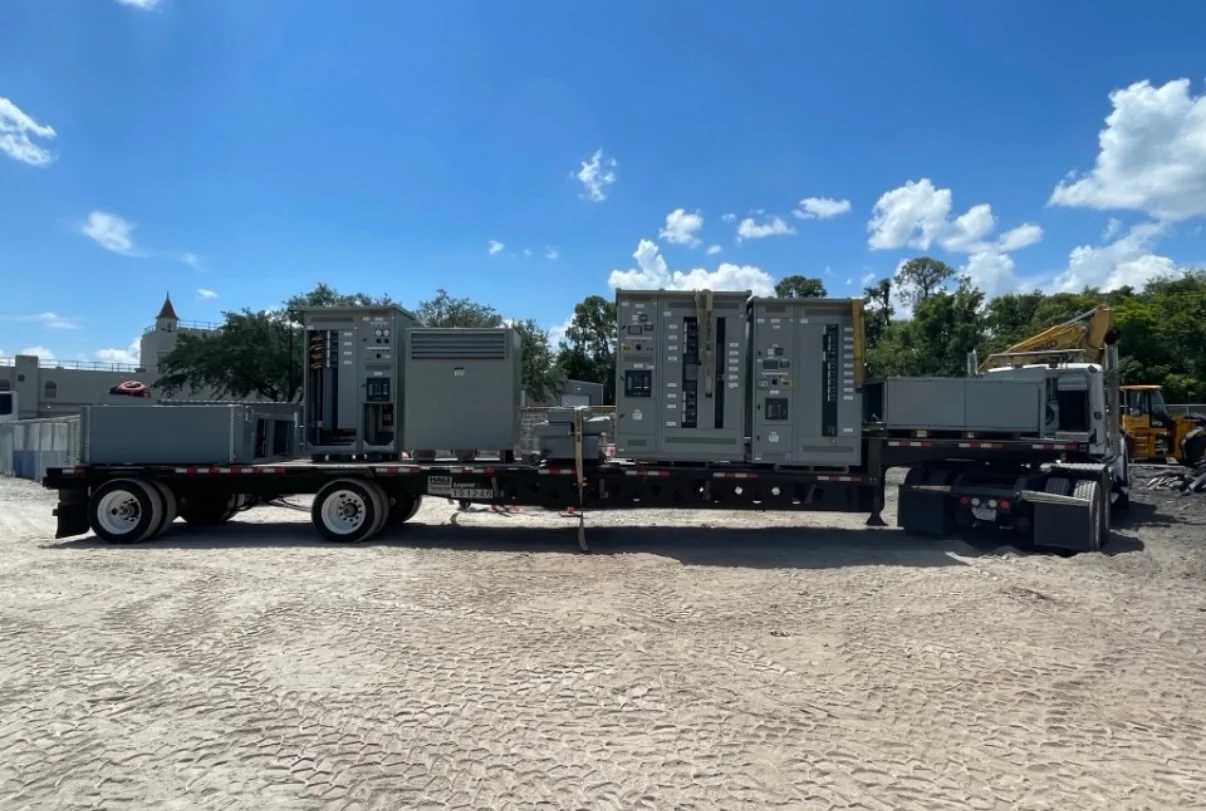
Galveston delivery planning should account for the receiving dock or staging area, truck access, gate procedures, lift capacity, weather exposure, and the route from unloading to the electrical room. Confirm shipment configuration, handling points, storage conditions, and who is responsible for receiving inspection before dispatch; nationwide shipping does not establish a site-specific delivery arrangement. Protect equipment from moisture and physical damage while stored, following the manufacturer’s instructions. Before installation, verify field dimensions, anchorage, conduit and cable interfaces, and the approved drawings. Energized work should not be treated as optional or routine: switching, isolation, installation, testing, and commissioning must be planned and performed by qualified personnel under applicable safety procedures. Closeout records should capture final drawings, device settings, test documentation, and equipment identification.