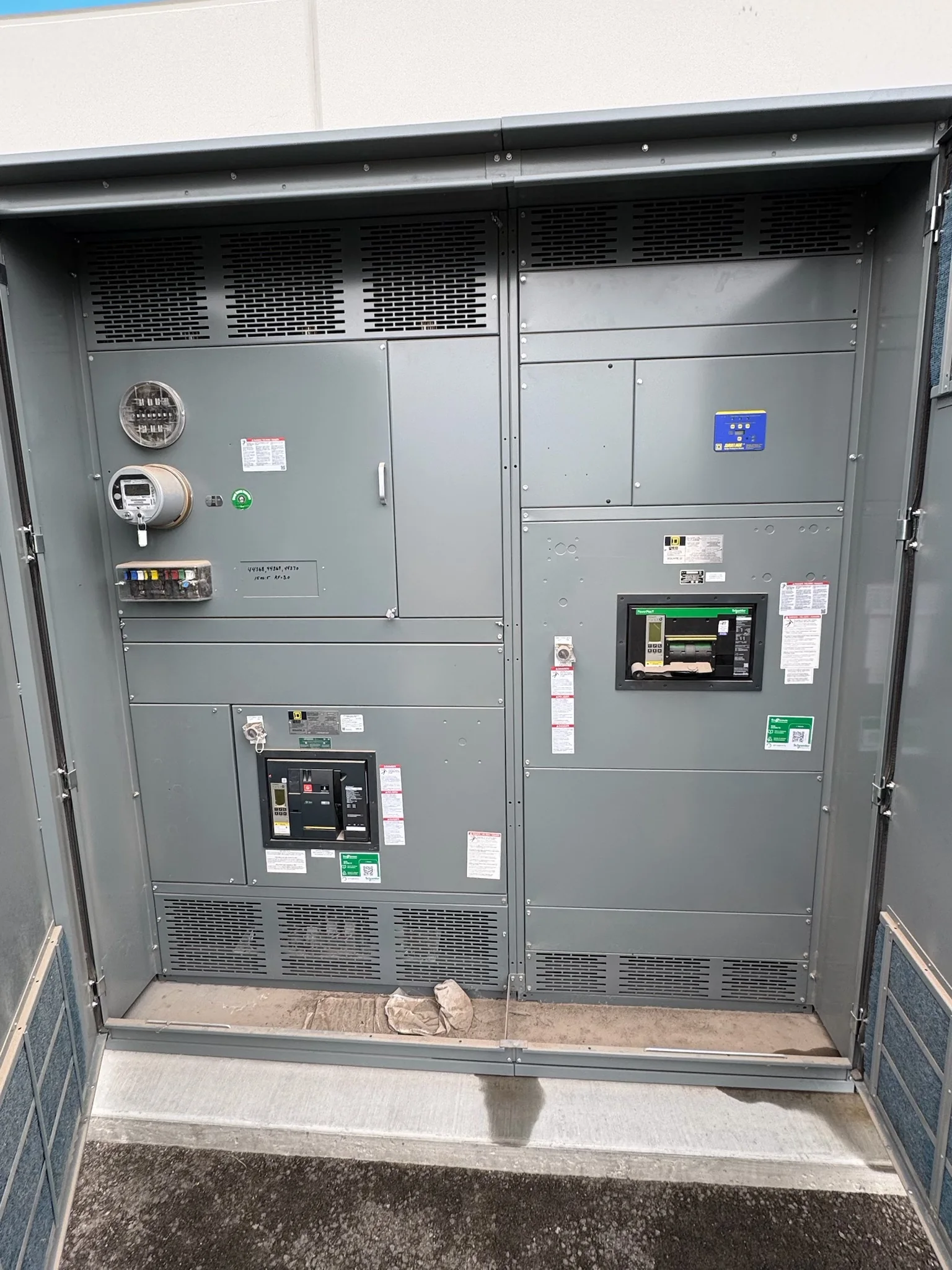
Define the Replacement Scope Before Selecting Equipment
A switchgear replacement in Houston should begin with a clear picture of what the existing equipment serves, not simply a request to match its exterior dimensions. Identify the distribution arrangement, source and load connections, protective devices, control power, metering, and any tie or transfer functions. Record nameplate information and gather available one-lines, elementary diagrams, coordination studies, and maintenance records. Those details help the manufacturer assess whether the project calls for a comparable lineup, a revised configuration, or a broader system change. Confirm which loads must remain available during construction and whether shutdowns can be scheduled. Missing or outdated records can lead to late design changes, so mark uncertain field conditions for verification before drawings are approved.
Match the Electrical Design to Houston Facility Loads
Houston facilities span process plants, commercial buildings, campuses, and distribution operations, so replacement equipment should reflect the actual load profile and operating plan. Engineers should review available fault-current information, system voltage, continuous and intermittent loads, motor starting, standby sources, and the intended protection and coordination strategy. A replacement lineup may affect upstream devices, downstream cable terminations, metering, or arc-flash documentation; treating the work as an isolated cabinet swap can leave those interfaces unresolved. Share current studies and identify planned expansions or load changes when requesting a quote. The manufacturer can use the project requirements to develop an equipment proposal, while final ratings, device selections, compatibility, and standards remain subject to engineering review and the specific system.


Resolve Existing Gear Interfaces and Room Constraints
The physical installation can be as decisive as the electrical design. Measure the existing lineup, access aisles, ceiling height, doors, floor openings, cable routes, and available working space, then compare those conditions with the proposed equipment drawings. Document whether conductors enter from above or below, where conduits terminate, and whether bus connections or control wiring must meet existing gear. In Houston, a site may also need to coordinate equipment movement through busy industrial yards, secured campuses, or buildings with limited receiving access. These constraints affect lineup arrangement, rigging plans, and the sequence of work. Verify dimensions and connection points in the field; assumed clearances or reused terminations should not be treated as confirmed compatibility.
Build a Quote Package That Supports Procurement
A useful request for quote gives procurement and engineering a common basis for comparing options. Include the one-line diagram, equipment schedules, required functions, known ratings, preferred manufacturer components where applicable, applicable project specifications, and the requested scope boundaries. State whether the quote should cover switchgear only or also drawings, accessories, and replacement-related engineering coordination. Identify any project-specific submittal format, approval milestones, or documentation requirements before the proposal is prepared. For low-voltage switchboard assemblies, UL 891 may be relevant when the assembly is appropriately evaluated; it should not be read as a blanket certification for medium- or high-voltage equipment. Ask which requirements apply to the proposed assembly and verify them against the project specification before purchase approval.
Plan Shutdowns, Removal, and Installation Responsibilities
Replacement planning should assign responsibilities for site verification, demolition, temporary power, installation, terminations, testing, and return to service. Determine who will isolate and de-energize affected equipment, establish the outage window, confirm lockout/tagout responsibilities, and coordinate with operations before work begins. If critical loads require temporary arrangements, define those needs early and have qualified project personnel develop a site-specific plan; do not assume existing equipment can remain energized during replacement work. Clarify whether field labor and commissioning are part of the manufacturer’s proposal or handled by others. Houston-area projects may involve multiple contractors, permit processes, and tightly scheduled production or building operations, making written scope boundaries and an agreed outage sequence important to avoid gaps.
Coordinate Submittals, Manufacturing, and Houston Delivery
Timing depends on the approved configuration, component selections, drawing review, and project-specific requirements, so discuss schedule expectations with the manufacturer rather than relying on a generic lead-time assumption. Establish who reviews submittals, how revisions are resolved, and which approvals release the equipment for production. Before shipment, confirm the receiving location, delivery appointment, unloading equipment, route to the electrical room, and temporary storage conditions. Houston’s heat, humidity, heavy rain, and active freight corridors can affect handling and site access; coordinate weather-sensitive receiving plans and protect equipment as directed by its shipping and storage instructions. The U.S. manufacturer offers custom builds, American components, short lead times, and nationwide shipping; configuration, availability, and delivery timing remain project-specific.