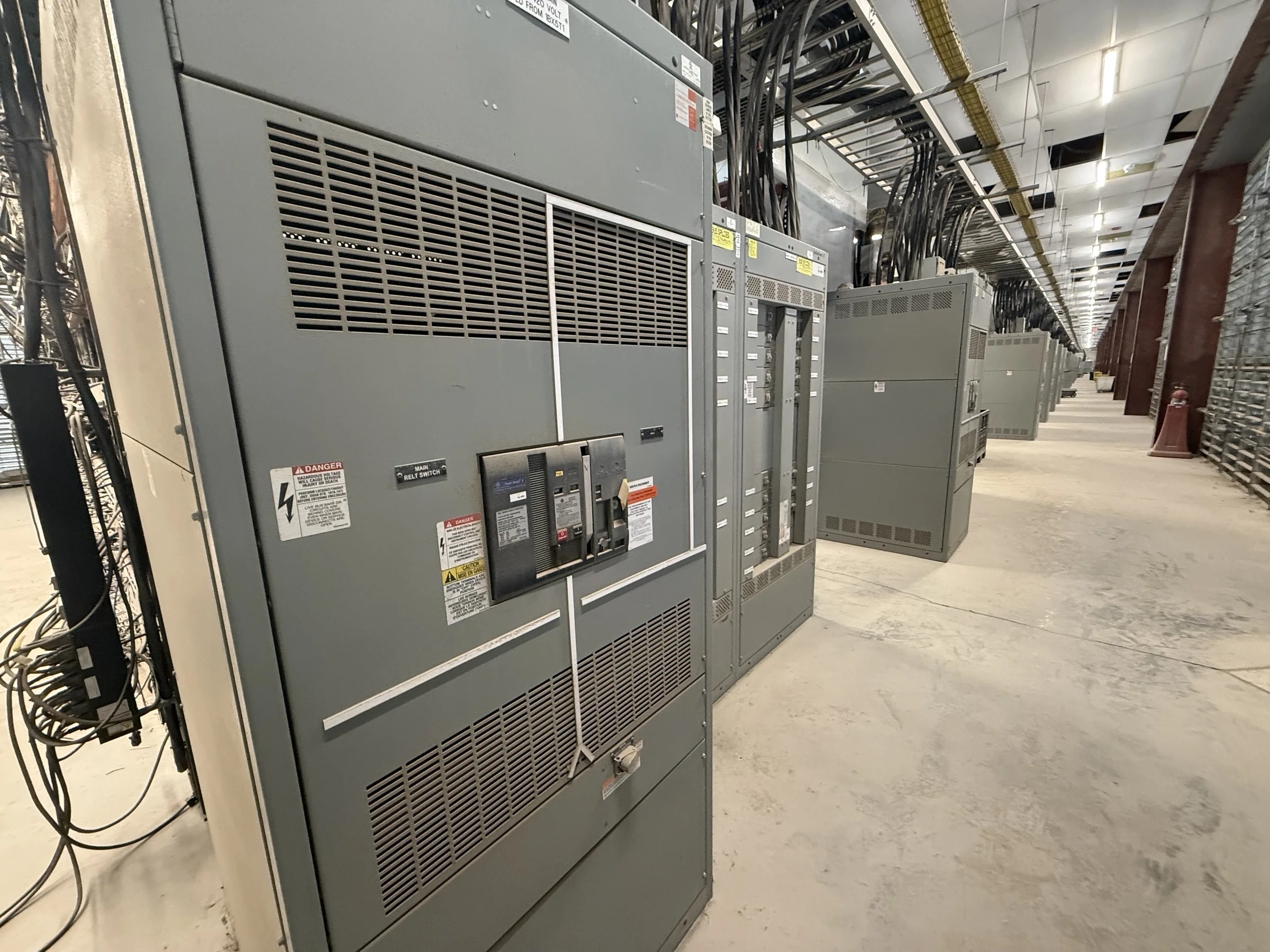
Buy from a Manufacturer That Can Work from Your Project Requirements
When selecting where to buy electrical switchgear, start with the equipment’s role in the distribution system—not a catalog label alone. A U.S. manufacturer can discuss a new assembly around the project’s one-line diagram, system voltage, available fault current, load profile, and intended operating arrangement. These details affect the equipment configuration and whether a proposed assembly fits the application. Identify whether the request is for a low-voltage switchboard, switchgear, or a medium-voltage assembly; the terms are not interchangeable, and standards and evaluation requirements differ. Share the project’s governing specifications and applicable codes for review before requesting a quote. The manufacturer can then identify questions and exceptions for engineering review. Final design, ratings, compatibility, and any required listing remain project-specific and must be confirmed for the actual assembly.
Prepare a Specification Package That Supports an Accurate Quote
A useful request for quote gives suppliers enough information to identify scope and flag missing decisions. Include the latest one-line diagram, equipment schedules, load or feeder data, protection requirements, enclosure and environmental conditions, and project specification sections that apply. State whether the equipment is new construction, a replacement, or part of a retrofit, and identify interfaces with existing buses, controls, and upstream or downstream devices. For replacement work, photographs and field measurements can help describe access and connection constraints, but they do not replace verified dimensions or engineering review. Mark unresolved items as open rather than assuming they are standard. A complete package reduces mismatched assumptions in pricing, submittals, and installation planning, while making deviations visible before procurement commitments are made.


Compare the Scope, Not Just the Quoted Price
Quotes are easier to evaluate when the team compares the same technical and commercial scope. Check the proposed equipment description against the specification, including arrangement, protective devices, metering, control features, enclosure details, and required documentation. Ask suppliers to identify exclusions, assumptions, substitutions, and items that require confirmation; a low initial figure can omit work or components needed for the intended application. Confirm how deviations will be reviewed and approved before release for manufacture. UL 891 may be relevant to appropriately evaluated low-voltage switchboard assemblies, but it is not a blanket certification for every switchgear product or voltage class. Request the specific evidence and labeling required by the project, and verify applicability for the proposed assembly. Ratings, compatibility, and compliance depend on the design and project requirements.
Discuss Timing Before It Becomes a Site Constraint
Lead time should be discussed alongside the project schedule, not treated as a promise based on a general product description. Ask what event starts the schedule, what approvals or customer-furnished information are needed, and how design changes may affect the plan. Review the sequence for drawings, comments, final release, manufacture, and shipment, then compare it with construction milestones and planned outages. A late equipment decision can leave crews waiting or force temporary operating arrangements, while premature release with unresolved interfaces can create costly changes. The manufacturer offers short lead times, but actual timing depends on the project configuration, component availability, approvals, and current workload. Obtain a project-specific schedule and keep procurement, engineering, construction, and operations aligned as assumptions change.
Verify Site Fit, Access, and Delivery Coordination
Before ordering, confirm how the equipment will reach its final location and whether the installation area can accept the planned assembly. Review doorway and corridor clearances, turning space, floor loading, lifting provisions, room layout, working clearances, and connection access with the responsible project team. Confirm shipping configuration and unloading responsibilities; a shipment arriving when a crane, dock, or receiving crew is unavailable can disrupt construction even if the equipment is ready. The manufacturer offers nationwide shipping, but routing, packaging, delivery timing, and handling arrangements should be confirmed for the destination and project. For an occupied facility, coordinate receiving and installation plans with operations so access, outage windows, and temporary protections are addressed before dispatch. Field conditions should be verified rather than inferred from drawings alone.
Review Drawings and Close Out Project-Specific Questions
Treat submittals as a technical hold point, not a paperwork formality. Have the responsible engineer and facility team check the proposed arrangement, dimensions, access, electrical interfaces, protection and metering requirements, and stated deviations against the contract documents and field conditions. Resolve mismatches before authorizing manufacture; changing a connection or layout after release may affect cost and schedule. Ask what operating and maintenance information, final drawings, and other turnover documents are included in the agreed scope, and identify any project-specific documentation requirements early. For retrofit work, confirm how new equipment will connect to retained gear and whether the existing system information is adequate for review. Final acceptance depends on the actual design, evaluation, installation, and applicable project requirements—not on a general product description.